

60% Carbon-Free Energy Target by 2040
KOMIPO (Korea Midland Power) is accelerating its energy transition by pursuing both an orderly exit from existing coal-fired power generation and a stable shift toward renewable energy.
On September 18, 2026, KOMIPO announced that it is pursuing a medium to long-term roadmap to convert 60% of its total power generation to Carbon-Free Energy (CFE) by 2040. As part of this process, the 390MW Sinan Ui offshore wind project is positioned as a core initiative to secure large-scale offshore wind development and operation capabilities, which will serve as a foundation for expanding the renewable energy portfolio going forward.
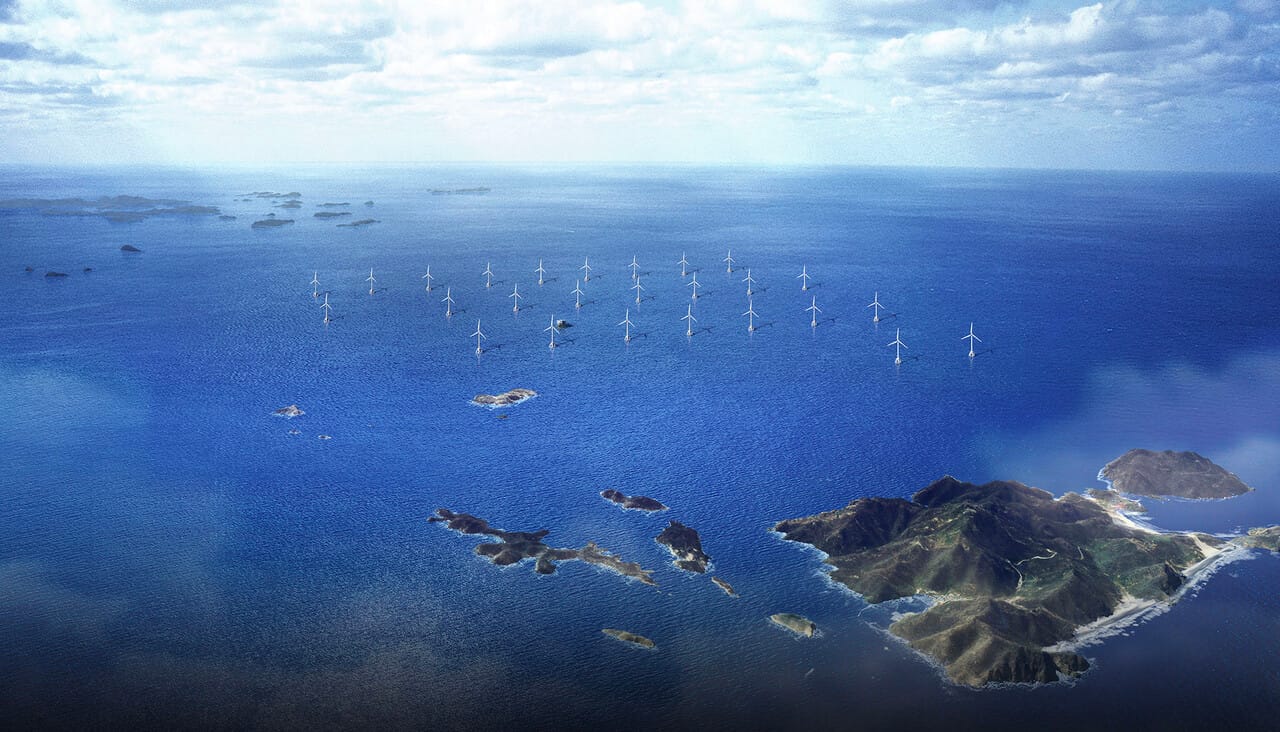
The Sinan Ui offshore wind project is regarded as emblematic of KOMIPO's energy transition strategy. It held a construction start ceremony in July and entered the full construction phase. KOMIPO's plan is to enhance the technical efficiency of offshore wind through turbine scaling and to proactively secure operational expertise in managing large-scale wind farms.
Large-scale offshore wind projects face significant practical challenges. Recent volatility in global offshore wind supply chains, rising raw material prices, and massive initial capital investment costs are common challenges facing the entire power generation industry. Securing community acceptance from local residents and fishing communities, which directly affects project success or failure, is also cited as an important challenge.
KOMIPO is focusing on risk management and mutual prosperity with local communities. In the course of project implementation, it is conducting information disclosure and environmental impact analysis, and is working to secure trust through communication with local communities. In particular, it is negotiating to establish a structure that allows development benefits from the power generation complex to be shared with local residents, so that energy infrastructure construction can lead to local economic revitalization.
From a financial perspective, the company is pursuing a policy of securing long-term profitability by examining stage-by-stage investment efficiency and project viability. Given the nature of large-scale offshore wind projects, where initial investment and financing costs are substantial, risk management at each project stage is identified as a key factor determining project success or failure.
Changes in the energy paradigm are difficult to complete in the short term. KOMIPO's energy transition is also proceeding by addressing field challenges one by one as coal generation is reduced and renewable energy is expanded.
A KOMIPO official stated: "Our goal is to establish the Sinan Ui offshore wind project as a successful model that secures both community acceptance and project viability. Based on this, we will continue to expand our development and operation capabilities in large-scale offshore wind projects going forward."
KWI developer profile — Hanwha Ocean
4 projects in Korea totalling 1,730 MW. Compiled from the KWI database. Not part of the source article.
Sinan Ui Offshore Wind — this article
|  |
ChilHae 1 Offshore Wind
| |
ChilHae 2 Offshore Wind
| |
Boryeong Nokdo Offshore Wind
| |
Related coverage
- LS Marine Solution secures Sinan Ui offshore wind subsea cable contract — 2026-09-18
- Hanwha Ocean Sinan-Ui offshore wind faces unresolved military coordination — 2026-09-17
- Sinan-Ui 3.4 trillion won offshore wind project evades feasibility review — 2026-09-07
Project data: KWI database — Electricity Business Licence records, EIA filings (ME2021C012, ME2026C003, ME2026C014), Electricity Regulatory Commission minutes, and pre-EBL permit filings.
Original Korean article: Electric Times
English brief by Korea Wind Intelligence, koreawindintel.com



















