Original Korean article: sisajournal.com
A 3.4 trillion won Sinan Ui offshore wind project that previously failed to pass a preliminary feasibility study is being revived with power generation company capital contributions reduced to 96.9 billion won, below the preliminary feasibility study threshold. The project is receiving 204 billion won in funding from a government-led Future Energy Fund, which formally exempts it from preliminary feasibility study requirements, but the pursuit of the project without external verification has sparked controversy over a regulatory blind spot.
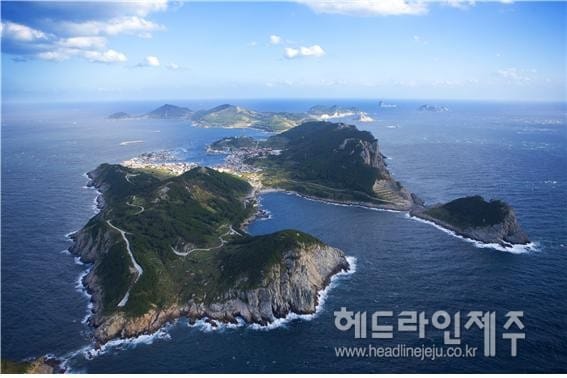
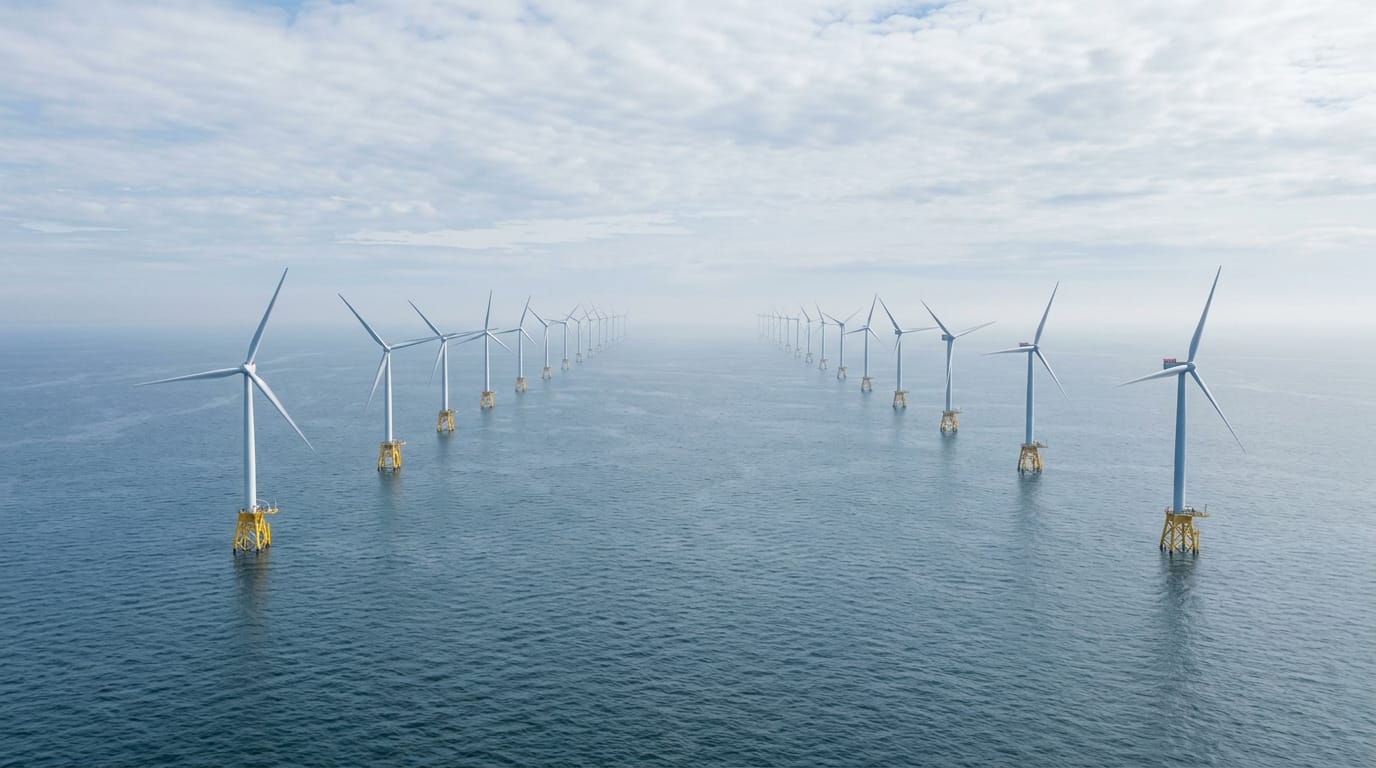
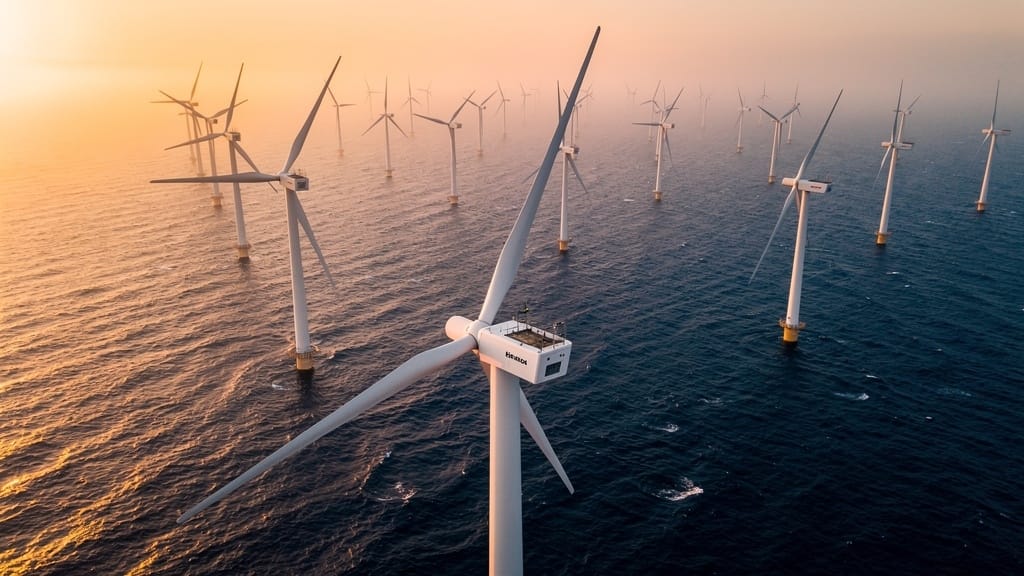
The project, being developed in waters south of Ui Island in Sinan County, Jeollanam-do, is a 390 megawatt offshore wind farm with 26 units of 15 megawatt wind turbines. It received an Electricity Business License in 2019 and was approved in January of this year as the first funded project of the National Growth Fund.
According to materials obtained through the office of Rep. Lee Heon-seung of the People Power Party, the equity capital structure of the Sinan Ui project consists of Korea Midland Power, a subsidiary of Korea Electric Power Corporation, contributing 96.9 billion won (2.835 percent); the Future Energy Fund contributing 204 billion won (6 percent); and private developers including Hanwha Ocean, SK Eternix and Hyundai E&C combining for 209.6 billion won (6.17 percent).
Revival Two Years After Preliminary Feasibility Study Rejection, With Only Investors Changed
When advanced strategic industry fund loans (22.06 percent), Future Energy Fund loans (10 percent), Korea Development Bank loans (10 percent), and National Growth Fund loans (42.94 percent) are added, policy-oriented funds account for 93.84 percent of total financing.
On the surface, the only public company capital contribution is 96.9 billion won from Korea Midland Power. This falls short of the 100 billion won preliminary feasibility study threshold for public institutions. However, the substance of the Future Energy Fund tells a different story. The fund was established in 2024 by the Financial Services Commission under its plan to expand financial support for climate crisis response and is a dedicated renewable energy fund. The Korea Development Bank serves as the lead institution, and 80 percent of actual funding takes the form of private capital contributions from the five major commercial banks.