Where this stands
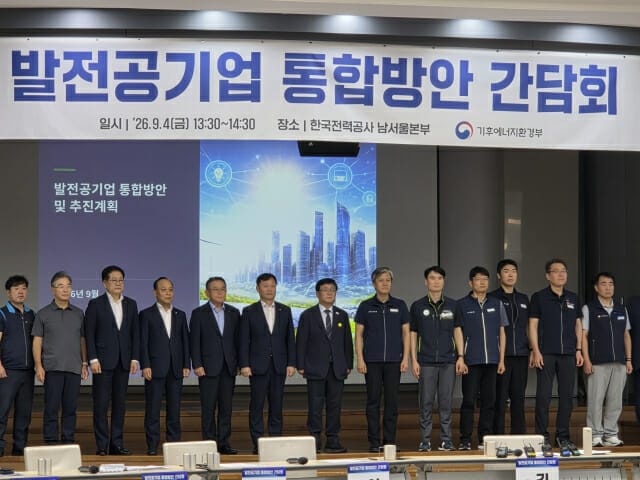
The decision has been made. On 4 September 2026 the Ministry of Climate, Energy and Environment said the five generation subsidiaries will be merged into a single company provisionally named Korea Power, to launch on 1 October 2027. It remains a wholly owned KEPCO subsidiary. Incorporation and the appointment of officers are set for September 2027, and the government is aiming to enact the special act within this regular session of the National Assembly.
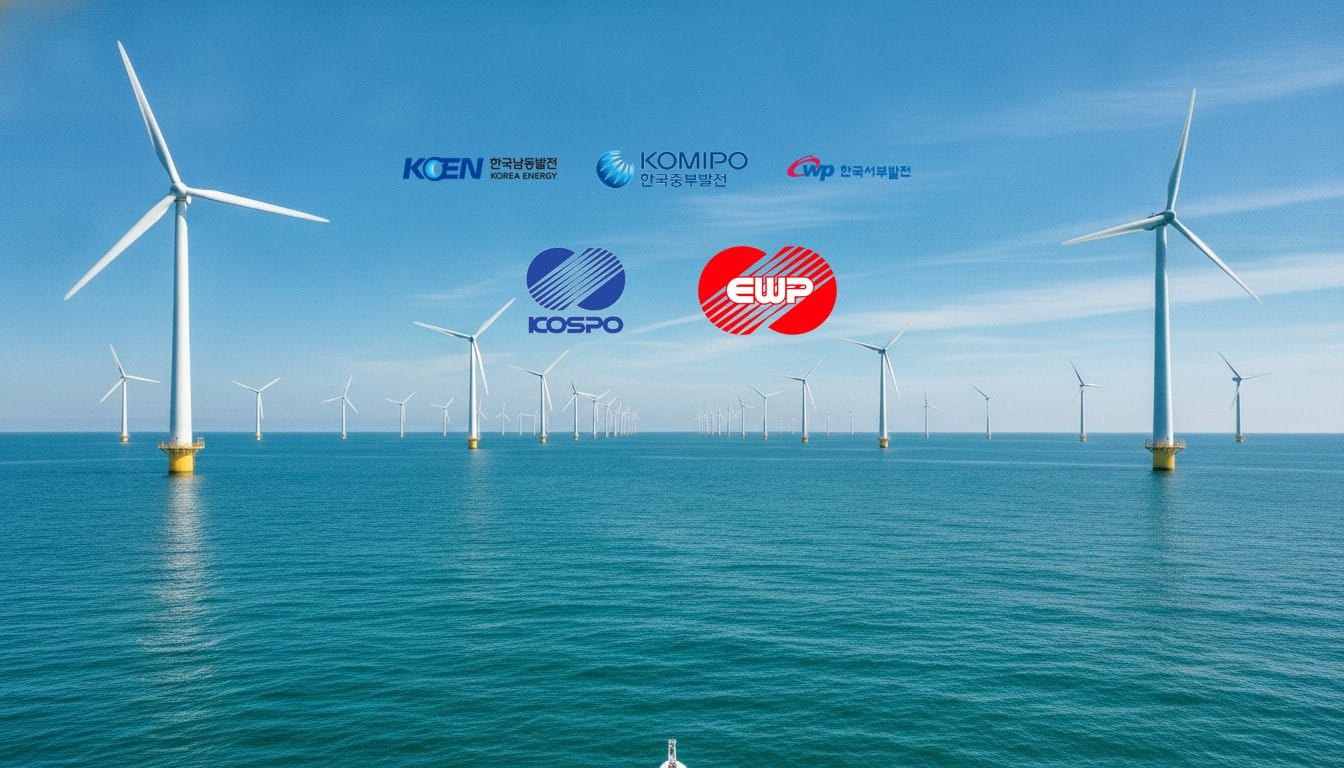
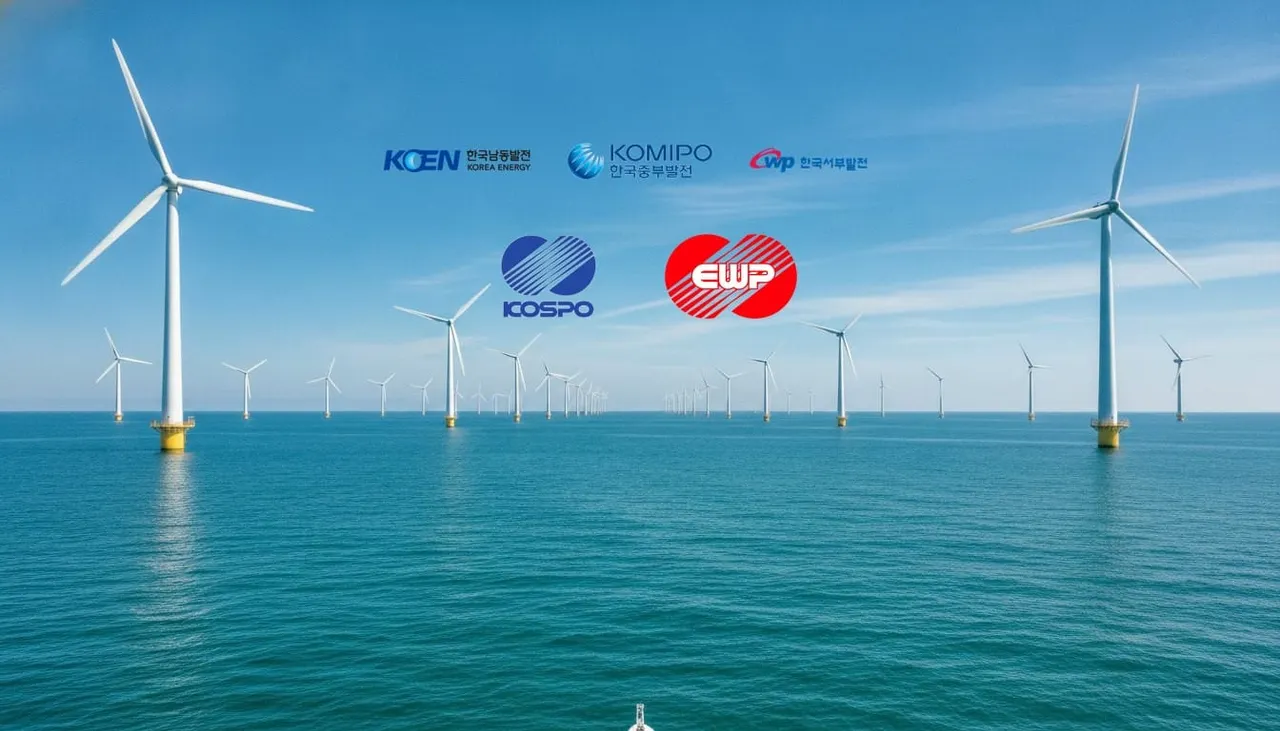
Five companies are in scope: Korea South-East Power, Korea Southern Power, Korea East-West Power, Korea Western Power and Korea Midland Power.
The organisation chart came with it. The merged head office is built on four divisions: renewable energy, just transition, safety and technology, and planning and management. Of roughly 2,400 people at the five head offices today, 1,800 will work at the merged head office and about 600 will move to three or four newly created regional renewable energy divisions. Coal-fired generation divisions keep their present structure for the time being. The location of the merged head office has not been chosen, a new building is under consideration, and the decision is deferred until after October. The government said it will not run a competition among local authorities.
The interim report sets out four principles for restructuring: securing execution capacity for the energy transition, spreading risk and avoiding stranded assets in a 100 GW renewables era, raising operating efficiency through the removal of duplication and economies of scale, and making a just transition easier to deliver. It also notes that because the five are ordinary joint stock companies, a special act is not strictly required for a merger, but that combining company law incorporation with a supporting special act is the more practical route. That framing explains why four bills exist alongside an executive process.