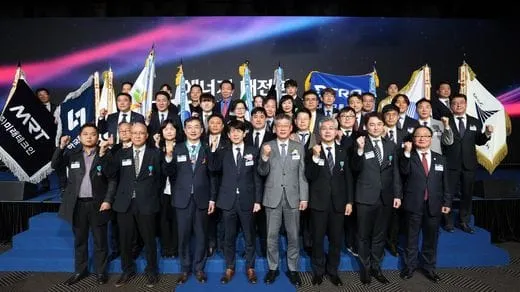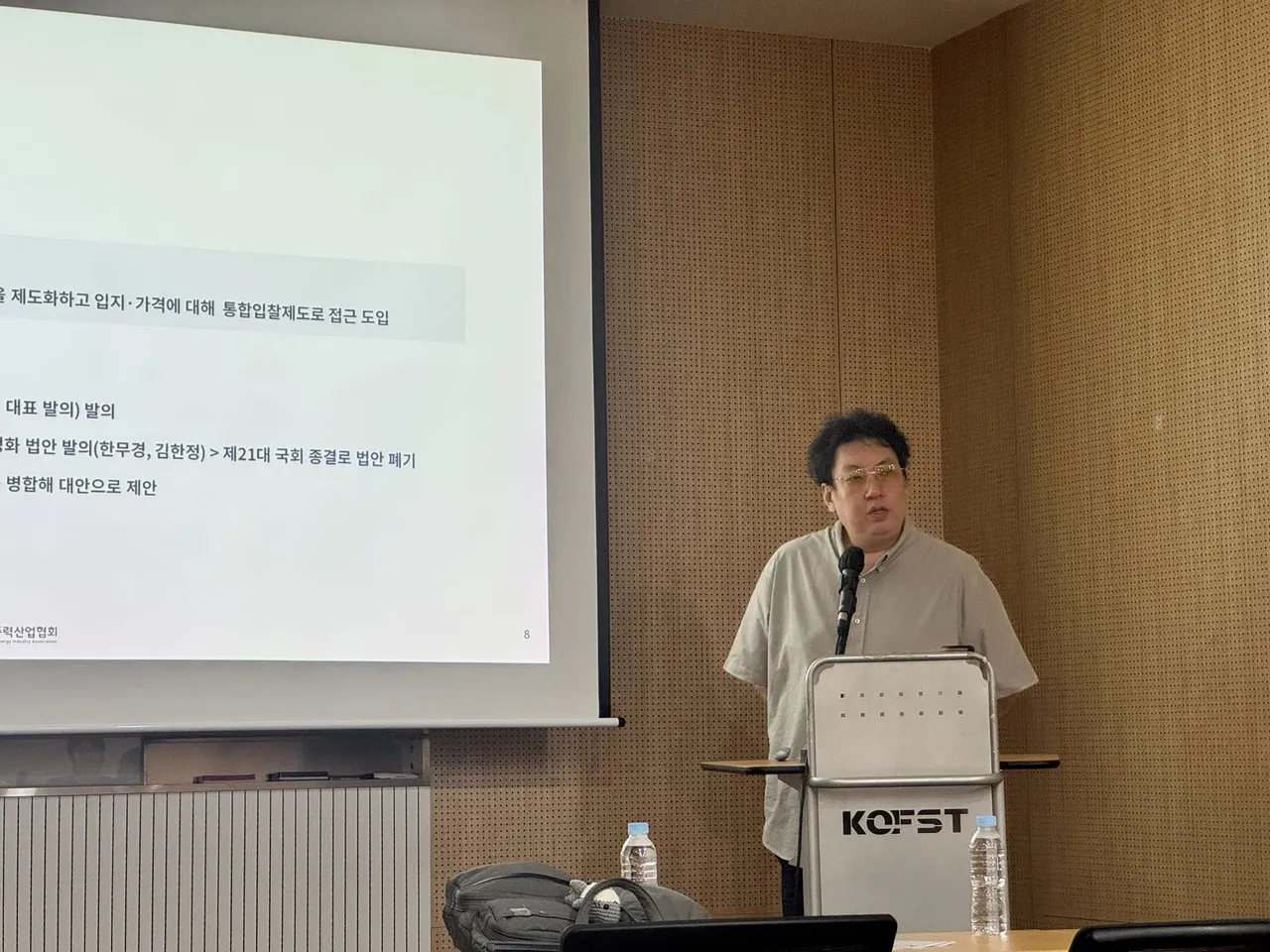
As offshore wind emerges as a major clean energy source, there is a diagnosis that policy support must underpin smooth project implementation. Based on the Offshore Wind Special Act implemented in March, analysis suggests that the public and private sectors must work together to swiftly resolve major challenges including licensing and community acceptance.
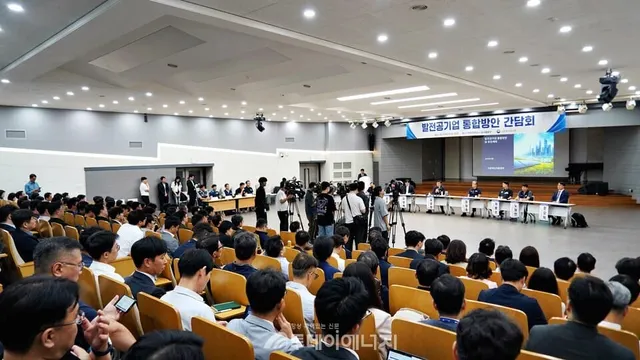
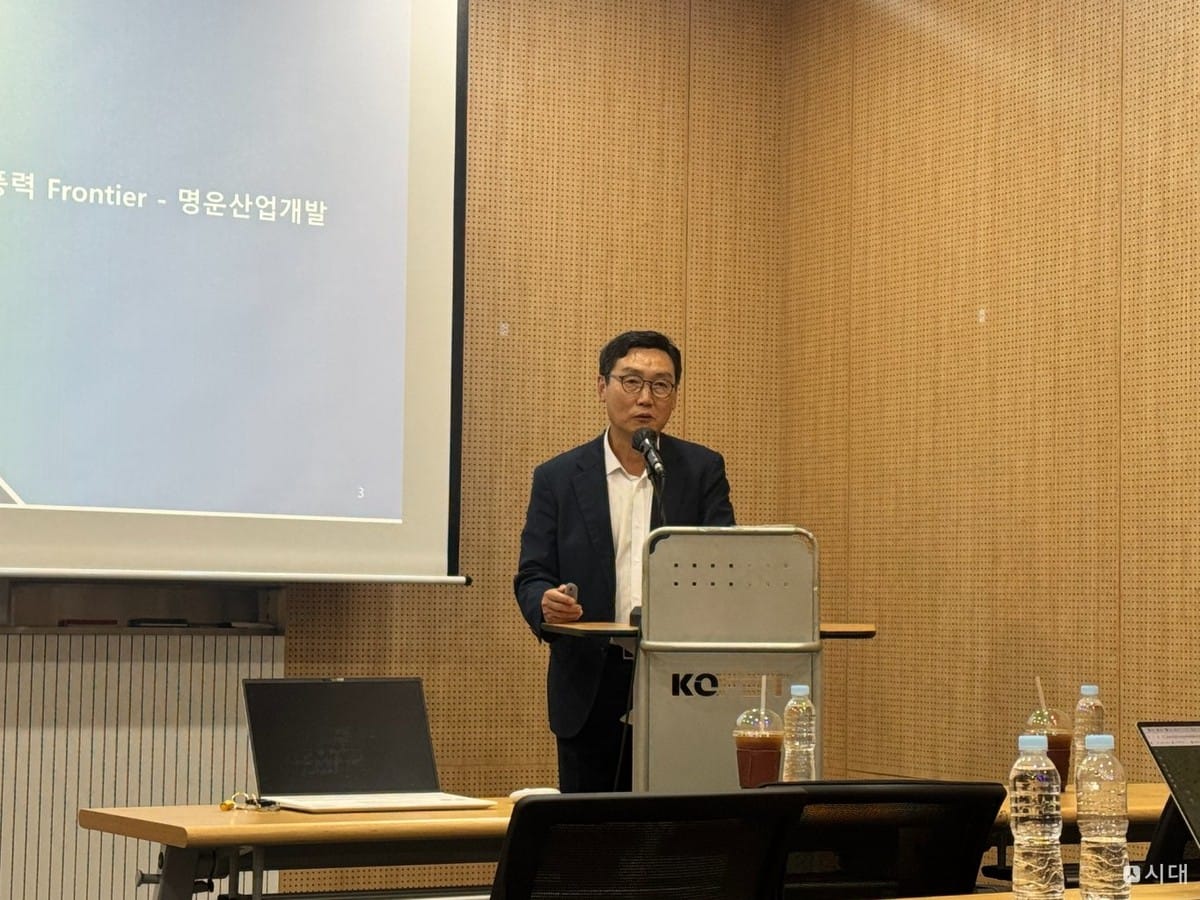
On March 3, the Korea Wind Industry Association held a "2026 Media Wind Power Up" event at the Science and Technology Hall in Gangnam-gu, Seoul, and shared sustainable growth strategies for offshore wind and ways to secure policy acceptance. Speakers at the event included Choi Deok-hwan, director of external cooperation at the Korea Wind Industry Association, Lee Hyung-gi, president of City and Nature, Choi Sae-rom, deputy director of COP, and Jung Jong-young, president of Myungwoon.
Licensing delays have hindered offshore wind projects
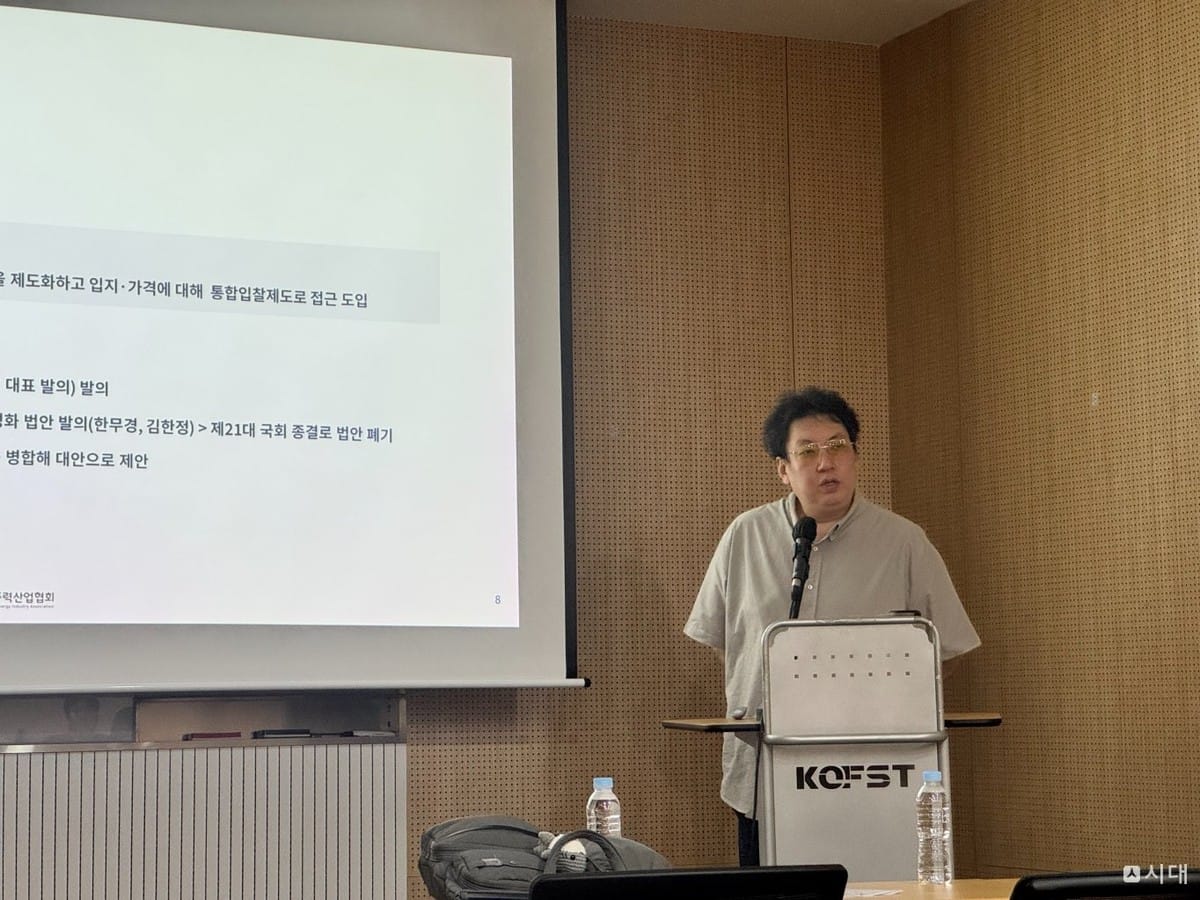
Domestic offshore wind projects have faced difficulties due to various licensing issues. Choi Deok-hwan said, "Previously, private developers had to directly identify sites and then individually resolve licensing from 10 government ministries under 28 different laws. Because regulations differ by ministry, some projects took around 10 years from commencement to completion."
The Southwest Offshore Wind project, which targeted 2.5 gigawatts in the early 2010s, experienced significant delays from 2013 to 2019 due to community opposition and licensing delays. Domestic offshore wind cumulative capacity last year reached only 0.32 gigawatts. Jung Jong-young said this contrasts with Taiwan, which pursued an offshore wind project targeting 3 gigawatts in a similar timeframe and achieved 4 gigawatts last year.
The special act shifts to government-led development
The Offshore Wind Special Act was created to address these problems. Its core is to shift offshore wind projects from private-led to government-led systems. Choi Deok-hwan said, "The government, centered on the Offshore Wind Power Committee under the Prime Minister, designates preliminary zones and development zones, then selects developers through competitive auction. The expected project period is also anticipated to be shorter than the existing timeframe of 6 to 10 years."
Institutional mechanisms to address the challenging issues of licensing and community acceptance have also been established. Choi Deok-hwan said, "For licensing issues, deemed approval can be processed through inter-ministerial consultation when implementation plan approval is granted. For community acceptance issues, benefit-sharing methods are discussed centered on public-private consultative bodies led by local governments."
Remaining tasks after the special act takes effect
Tasks remain to supplement the special act. There are calls to clarify criteria for incorporating existing private developers into the special act framework and to ensure meaningful competition in competitive auctions. Choi Deok-hwan said, "The issue of incorporating existing developers is one of the biggest matters. While there will be effects such as shortened project periods, there remains the task of creating a structure where effective competition can occur. The law is also expected to be amended multiple times to match market conditions."
Concrete guidelines to enhance community acceptance were also cited as a follow-up task. Jung Jong-young said, "Currently, community participation and benefit-sharing systems differ by local government. There is a need to carefully design community participation and benefit-sharing systems taking various conditions into account."
KWI developer profile — Myungwoon
3 projects in Korea totalling 1,513 MW. Compiled from the KWI database. Not part of the source article.
Nagwol Offshore Wind
|  |
Yeonggwang Hanbit Offshore Wind
| |
Yeosu-Gwangpyung Offshore Wind
| |
Project data: KWI database — Electricity Business Licence records, EIA filings (ME2019C003, ME2024C001, ME2025C028), Electricity Regulatory Commission minutes, and pre-EBL permit filings.
Original Korean article: Sidae