Original Korean article: Asia Today
Steel Beyond: Seah Group Strengthens Future Energy Infrastructure
Seah Group is expanding its business into eco-friendly energy industries by leveraging the technological capabilities it has built in specialty steel and steel pipes. The company is broadening its supply of materials and products needed for the energy transition process, from hydrogen storage alloys to offshore wind substructures and liquefied natural gas (LNG) steel pipes, thereby securing new steel demand. This reflects the rapidly changing structure of the energy industry due to global decarbonization trends, which are diversifying the role of steel. Given the harsh environmental conditions that energy infrastructure must withstand—extreme cold, high temperatures, and high humidity—high-specification steel materials are essential.
According to industry sources on the 3rd, Seah Group is expanding around Seah Besteel in the hydrogen sector, Seah Wind and Seah Steel in offshore wind, and Seah Steel and Inox Tech in LNG and gas sectors.
Hydrogen Storage Alloys and Offshore Wind Monopiles
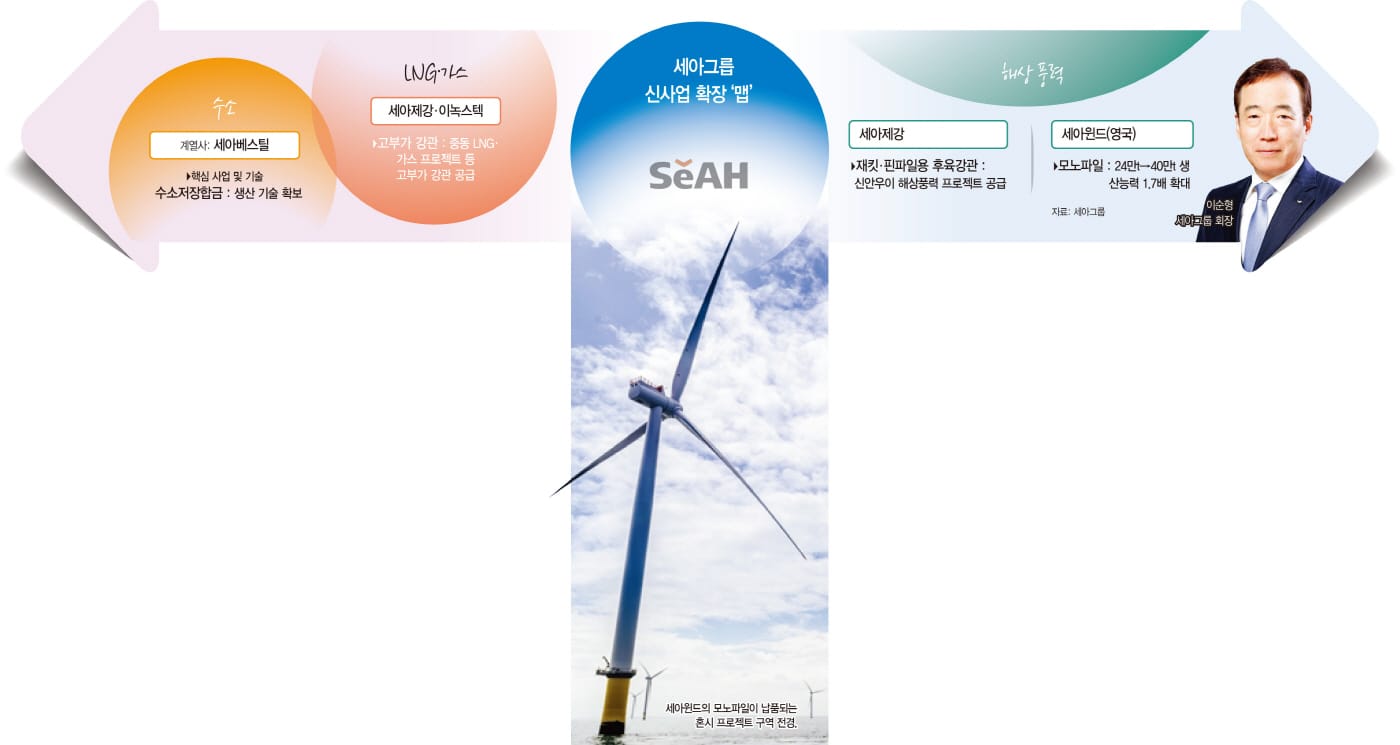
Seah Besteel, a specialty steel subsidiary of Seah Group, is extending its existing material technology into the hydrogen industry. Hydrogen storage alloys are next-generation materials that replace mechanical compressors at hydrogen charging stations. Mechanical compressors have a high-cost structure in which maintenance and installation costs account for 48 percent of charging station construction costs. Given that the average cost to build a domestic hydrogen charging station is approximately 3 billion won, introducing non-mechanical compressors could significantly reduce charging station construction costs and contribute to the spread of hydrogen charging infrastructure.
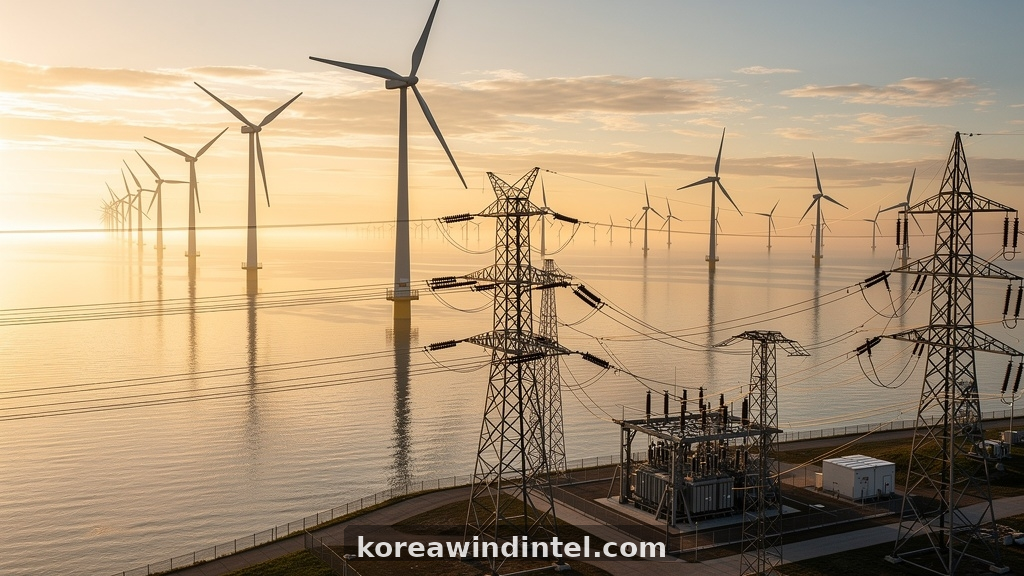
Seah Wind, established in the United Kingdom, produces monopiles, the core substructure of offshore wind turbines, and is targeting the European offshore wind market. Europe, centered on the North Sea, has favorable conditions for offshore wind generation with strong and consistent winds, and the related market is growing rapidly. To respond to long-term demand expansion, Seah Wind increased its annual production capacity from 240,000 tons to 400,000 tons, approximately 1.7 times higher, during the construction of its UK factory.
Domestic Offshore Wind and LNG Infrastructure
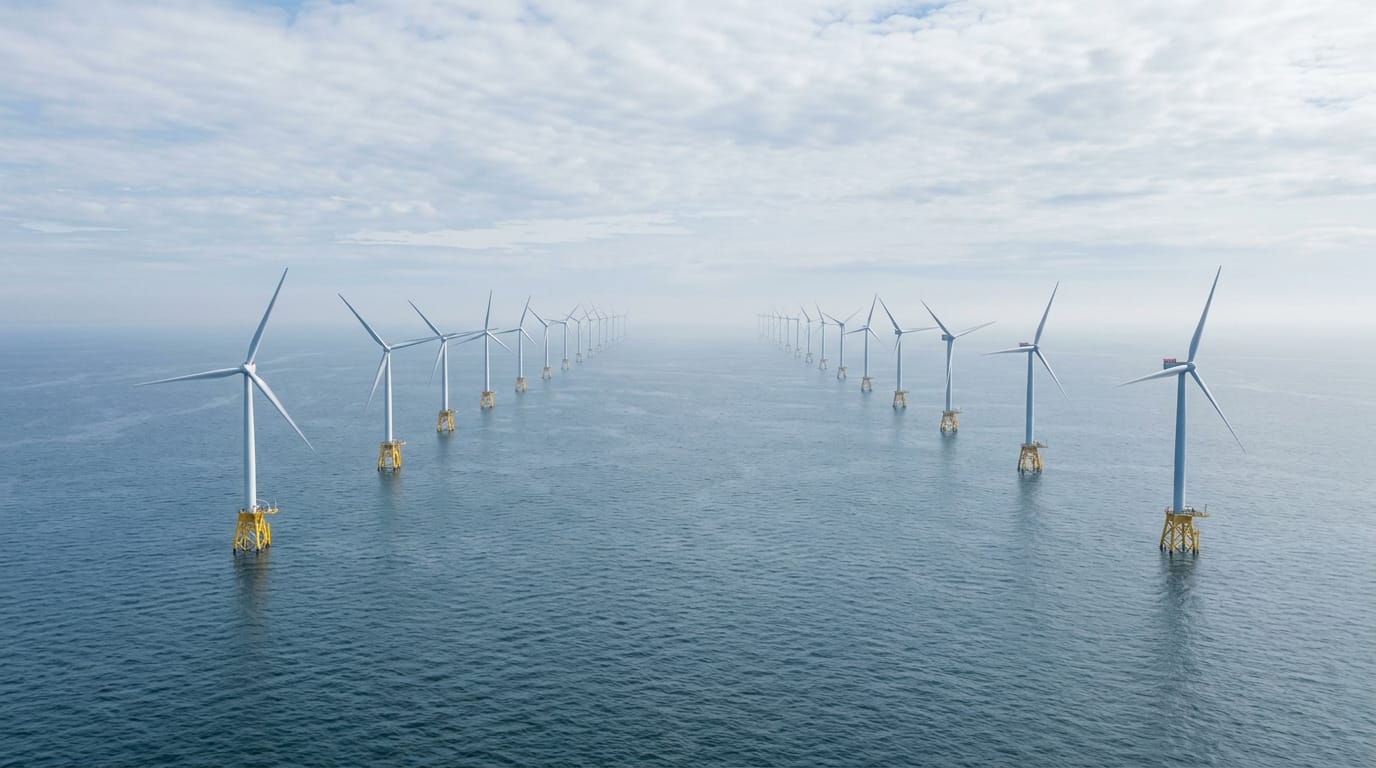
While Seah Wind targets the European market, Seah Steel is supplying steel pipes for offshore wind in South Korea. As offshore wind farms grow larger and turbines become bigger, the safety and durability of the substructures supporting them are emerging as key factors. The company is supplying thick-wall steel pipes for jackets and pin piles, which make up the substructure, to the Sinan Ui offshore wind project in South Korea.
Seah Steel is also targeting the energy infrastructure market from LNG and gas to carbon capture, utilization and storage (CCUS) by leading with steel pipes that connect energy production, processing and transport facilities.
Seah Steel and Inox Tech are supplying high-value steel pipes for pipelines to Middle Eastern LNG and gas projects. LNG in particular is drawing attention as a bridge energy that supports stable energy supply during the transition from a fossil fuel-centered energy system to decarbonized energy such as hydrogen and renewable energy.
Recently, the application of steel pipes has expanded to CCUS infrastructure. Seah Steel is supplying approximately 1,750 tons of stainless steel pipes to the Teesside CCUS project being pursued by the UK government. The steel pipes are used in the process of refining carbon dioxide captured from power plants and transporting it in gaseous and liquid states. Since the pipes must withstand extreme cold at minus 196C and high-pressure deep-sea environments, high-value products with low-temperature impact toughness and corrosion resistance are deployed.
A Seah Group official said, "We plan to continue sustainable growth in the energy transition infrastructure market through the development of specialty steel materials for future energy industries such as hydrogen infrastructure," and added, "We will continue to strengthen the quality competitiveness of eco-friendly energy-oriented steel pipe products such as offshore wind and CCUS."
KWI developer profile — Hanwha Ocean
5 projects in Korea totalling 1,982 MW. Compiled from the KWI database. Not part of the source article.
Sinan Ui Offshore Wind — this article
|  |
ChilHae 1 Offshore Wind
| |
ChilHae 2 Offshore Wind
| |
Boryeong Nokdo Offshore Wind
| |
Gogunsan Offshore Wind
| |
Project data: KWI database — Electricity Business Licence records, EIA filings (ME2021C012, ME2026C003, ME2026C014), Electricity Regulatory Commission minutes, and pre-EBL permit filings.