Original Korean article: Polrinyuseu Polinews
English brief by Korea Wind Intelligence, koreawindintel.com
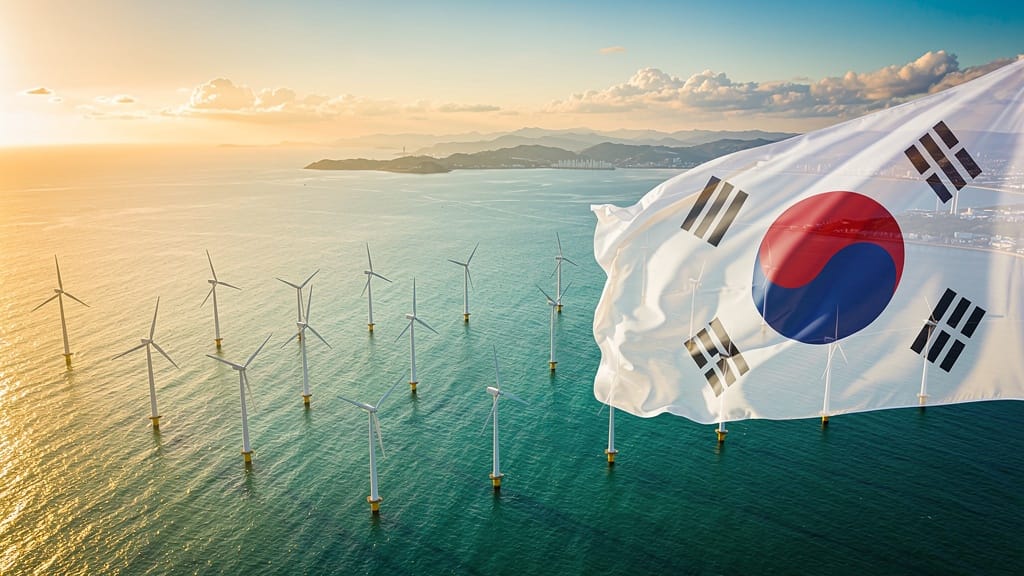
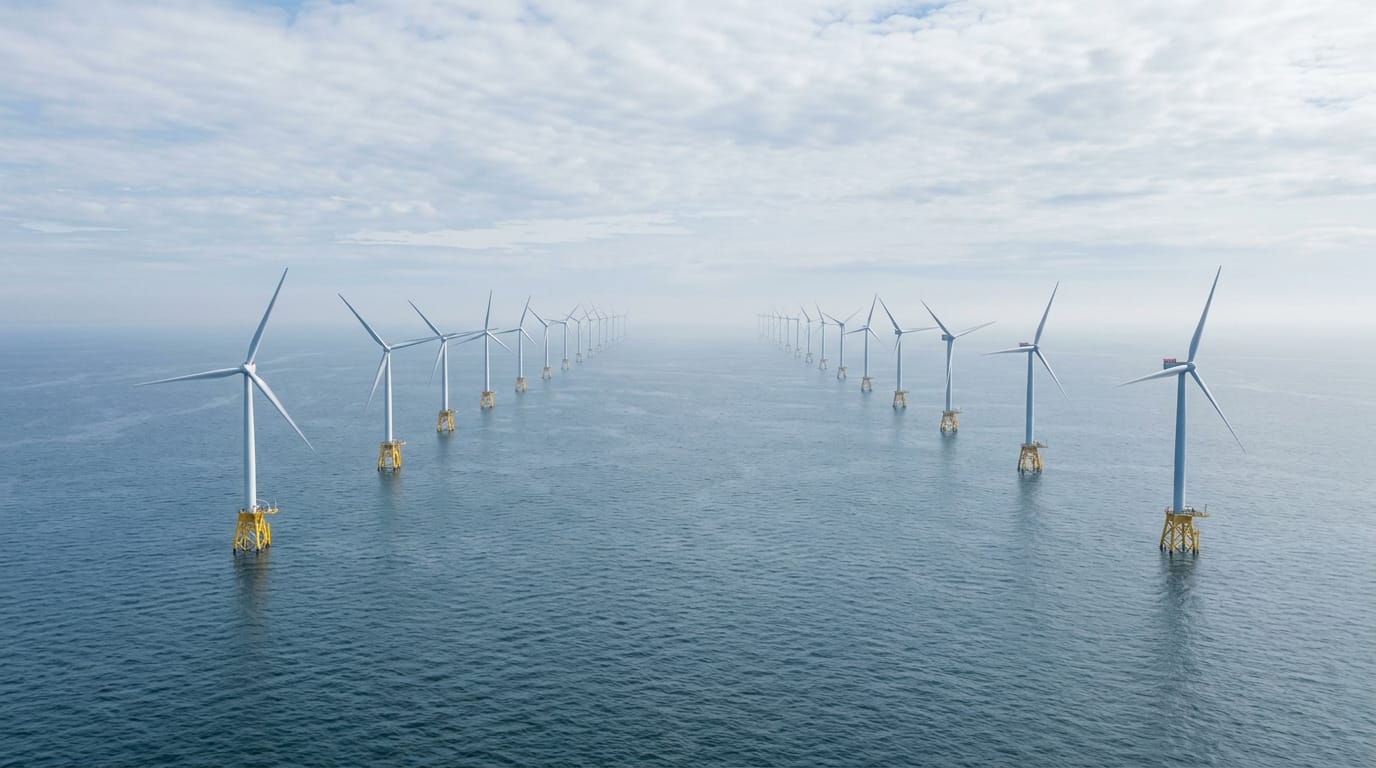
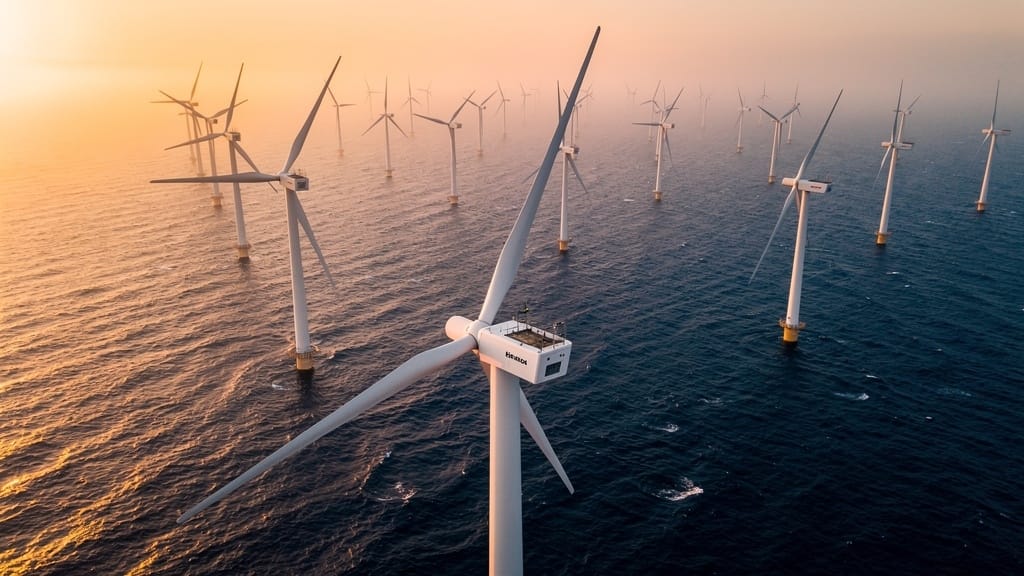
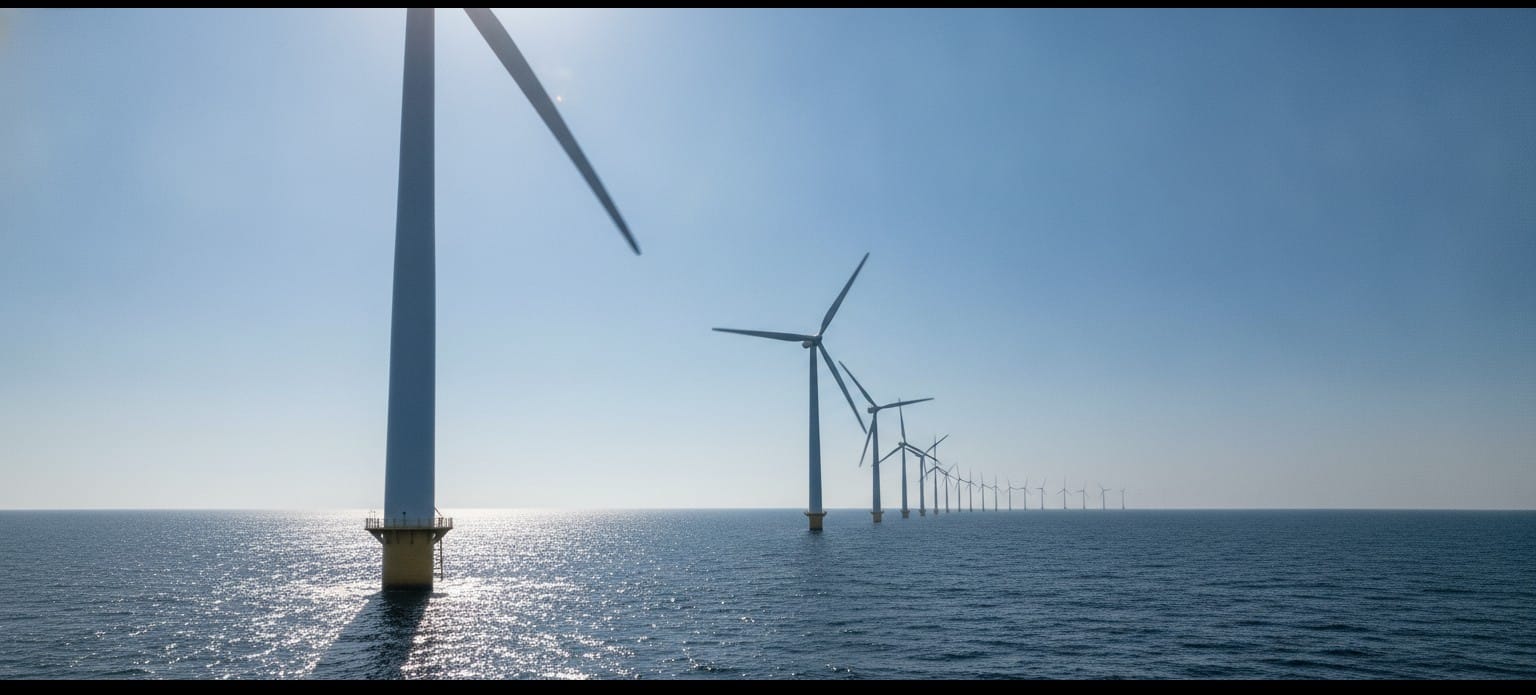
As domestic offshore wind projects increase in volume, investment is flowing into facilities that produce substructures to fix generators at sea. As power plant construction progresses, turbines must be supplied alongside large structures, power cables and installation equipment on schedule. Accordingly, related companies are investing funds to secure production capacity.
Growing offshore wind volume raises importance of equipment production capacity
According to industry sources on September 10, 2026, EEW KHPC, a German offshore wind substructure manufacturer, will invest 122.8 billion won in the eastern hinterland of Gwangyang Port. On September 9, 2026, the Gwangyang Bay Free Economic Zone Authority signed investment agreements totalling 1.0655 trillion won with four companies including EEW KHPC, CGN Yulchon Power, Widpies and Hitech Engineering at the Sonokam Hotel in Yeosu.
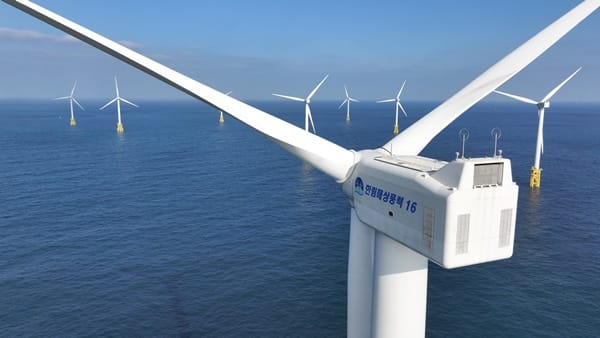
Through this investment, EEW KHPC plans to expand facilities in Gwangyang to produce offshore wind substructures. Gwangyang is assessed as a region with the necessary conditions to manufacture large structures and transport them to sea, as it can use both steel production facilities and port infrastructure.
Domestic offshore wind project volumes are being specified through government competitive auctions. In the first half of this year, nine projects totalling 3,656 megawatts applied in the fixed-price contract competitive auction, and five projects totalling 1,786 megawatts were selected. This is the first time since the introduction of competitive auctions in 2022 that the application volume has exceeded the selected volume by more than double.