Building a long-term consultation framework with residents and fishermen is drawing attention as a model for securing local acceptance.
Fishing communities and residents said that continued official discussion structures reduce conflict and that coordination through a consultative body is important.
Busan Offshore Wind Power Co. said on the 24th that, in relation to the offshore wind power project being promoted in the waters off Dadaepo, Busan, it is continuously operating an official system for gathering opinions centered on a “local consultative council,” based on trust-based communication with the local community.
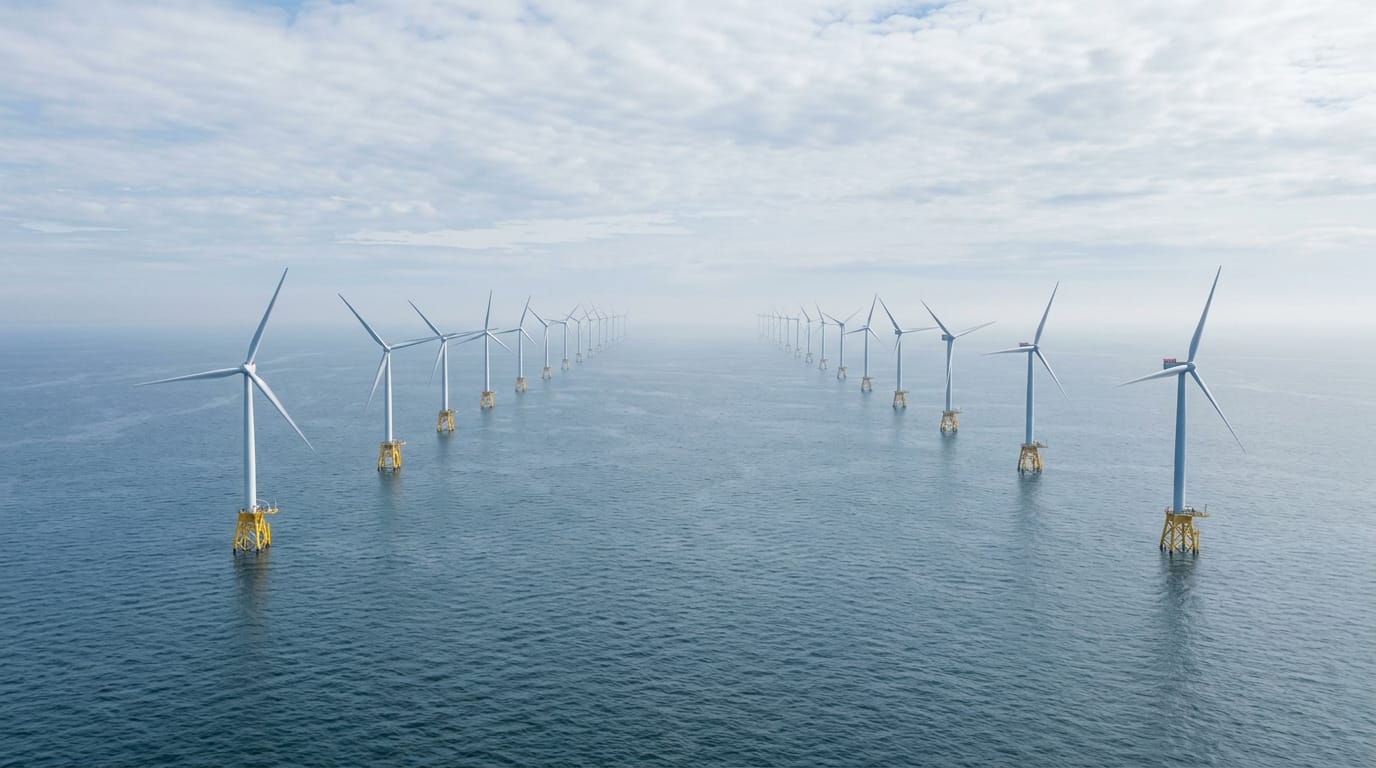
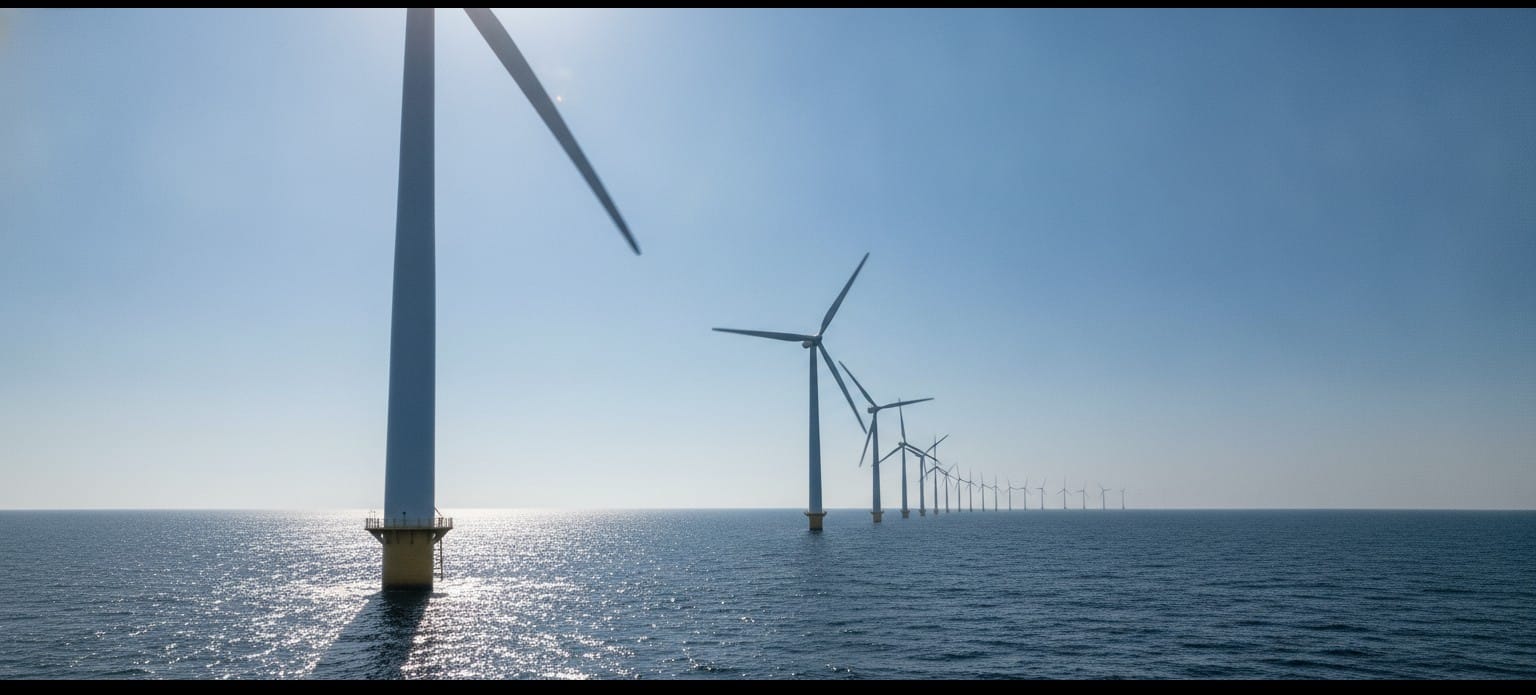
The Dadaepo offshore wind project is cited as a case in which a local consultative council was formed and operated over a long period in order to systematically reflect the diverse opinions of residents and stakeholders. From the early stages of the project, Busan Offshore Wind has continued communication with the community through resident briefings, collection of opinions from sea-area users, and site adjustments, thereby increasing understanding of the project and progressively working to secure local acceptance.
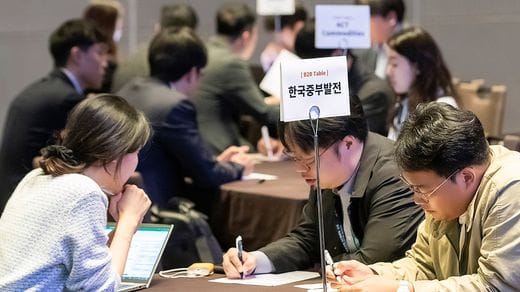
In particular, from 2021 to the present it has held six project briefings for all residents, and has continued ongoing communication by conducting more than 40 meetings in total with resident representatives and groups. In addition, after consultations with 17 fishing communities in the Saha-gu area and the Busan City Fisheries Cooperative, it signed a mutual-growth agreement at the end of 2024, establishing a consultation foundation to prepare compensation and mutual-benefit measures for fishermen.
Since its launch in February 2025, the local consultative council has been operated as an official body in which residents, fishermen, experts, and the local government participate, and it has been regularly holding discussions on sharing project-related information and on measures for regional coexistence.
Busan Offshore Wind stated that, amid the recent emergence of various opinions regarding the project, it is important to verify facts and discuss reasonable alternatives together through the official consultative body. It added that, as the Dadaepo local consultative council is performing a substantive consultative function based on regular discussions and records, it plans to continue strengthening the foundation for local acceptance in the future as well, centered on the official consultation structure.
Heo Gyeong-su, head of a residents’ association near Dadae 1-dong in Saha-gu, Busan, said, “I understand that the Dadaepo offshore wind project has had official consultations continue for a long time through the local consultative council,” adding, “This kind of discussion structure must continue so that the community can make balanced judgments and unnecessary conflicts can be reduced.”
A representative of a fishing community in Saha-gu, Busan, who is participating in the consultative council, also said, “Because offshore wind is an issue directly connected to fisheries, coordination among diverse stakeholders is important,” adding, “Since discussions have continued centered on the local consultative council, we hope that ongoing communication will continue through the official consultation channel in the future as well.”
Meanwhile, to strengthen local acceptance, Busan Offshore Wind is reinforcing a consultation structure based on resident participation and, during the project 추진 process, is continuously seeking practical mutual-benefit measures such as expanding participation by local companies and creating local jobs. Busan Offshore Wind said it plans to expand a resident-participation project model that works together with the local community and to build cooperative systems linked to local industry going forward.