

Yeonggwang County Governor Jang Se-il has unveiled a plan to link the region's energy resources to residents' income and jobs, and to transform the local growth structure through people-centered administration and future industry development.
The core idea is to share the economic benefits of energy produced in Yeonggwang with the local community.
The plan expands resident participation in power generation projects using local resources such as sunlight and wind, and establishes a stable energy basic income payment system by creating a structure to share development profits.
Linking RE100 and Offshore Wind to Job Creation
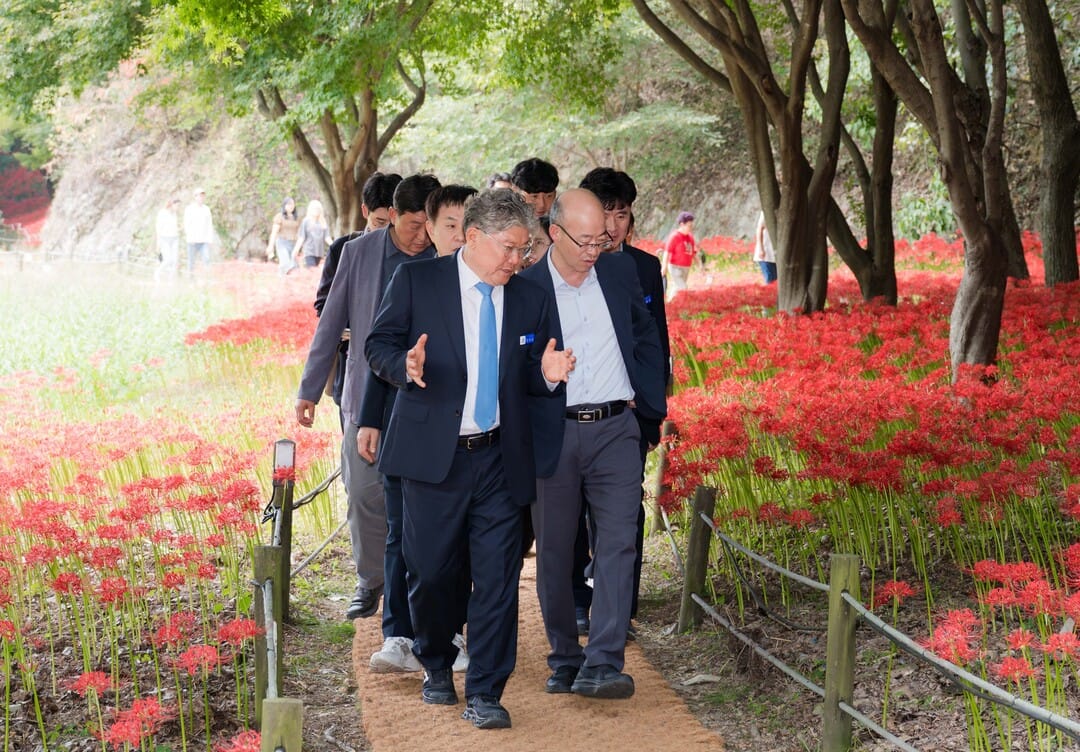
The county has also announced plans to connect an RE100 national industrial complex, offshore wind power, and clean hydrogen industries to attract businesses and create jobs for young people.
In the livelihood sector, the county will strengthen integrated care systems and expand care and education support, while focusing on raising resident income through agricultural and fisheries competitiveness and revitalizing neighborhood commercial districts.
The county plans to link Baeksu coastal sunset tourism, religious pilgrimages, and marine tourism so that visitor inflows provide tangible benefits to the local economy.
Future Industries and Administrative Reform
In the future industries sector, the county has laid out a blueprint to secure a foundation for semiconductor materials, parts and equipment, and clean hydrogen industries, and to pursue the creation of a future national representative athletes' village combining sports science, artificial intelligence, and sports medicine as a national project.
The plan involves cooperation with the Central Government, the Jeonnam-Gwangju Special City, and the National Assembly to secure institutional support and funding for related projects.
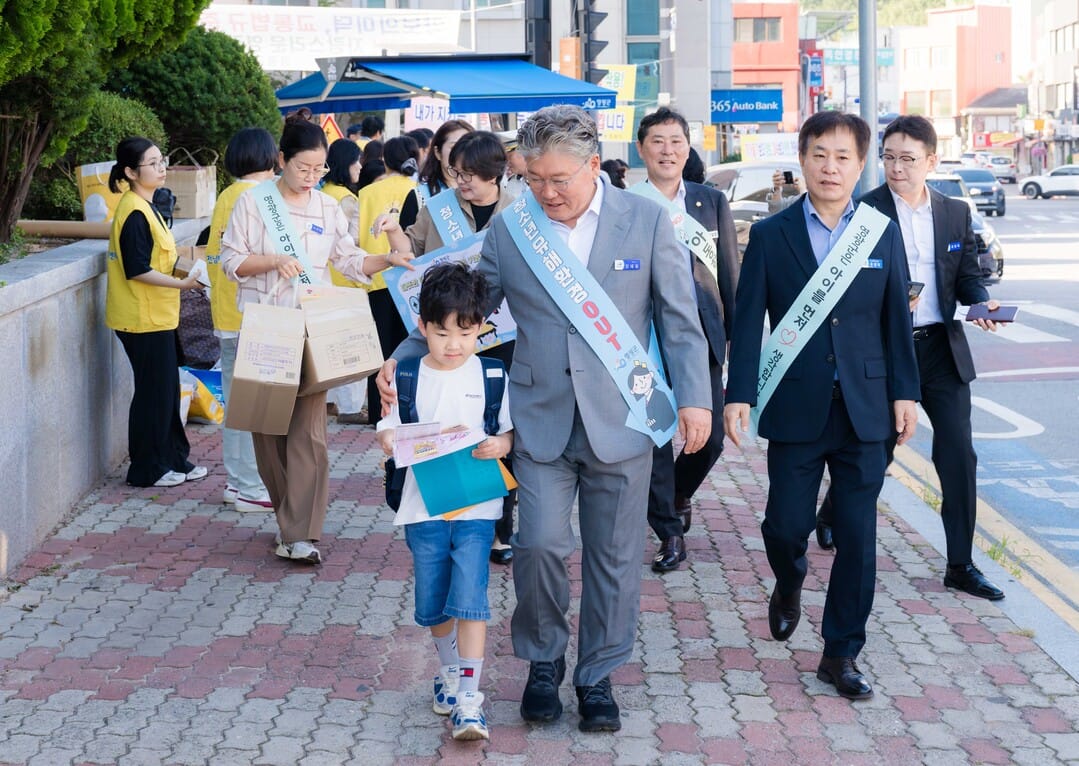
Administrative reform has also been presented as a major task. Since the start of the ninth elected term, Yeonggwang County has reorganized its structure into a four-bureau system and newly established the Future Industry Promotion Division, Integrated Care Division, Public Health Division, and Public Communications Office.
A county government planning committee with 36 residents and experts has also been launched.
Major issues over the past 100 days include recovery from heavy rain damage, organizational restructuring for the ninth elected term, and administrative audits. The county emphasized that it will continue support for residents' daily recovery and return to livelihoods in relation to Baeksu-eup being declared a special disaster area.
The county reported that approximately 540,000 people visited the first Bulgapsan Sanghwa Festival of the ninth elected term, and presented the task of linking tourism results to merchant sales and agricultural and fisheries income.
Governor Jang Se-il said, "If the past 100 days were a time to confirm Yeonggwang's potential, the time ahead will be when we prove that potential through the lives of our residents," and added, "If it is work that helps residents' lives, I will attend carefully even to small matters."
Original Korean article: kpinews.kr
English brief by Korea Wind Intelligence, koreawindintel.com



















