

Offshore wind projects are proceeding across fishing protection zones, yet the Ministry of Oceans and Fisheries has conducted zero verification of marine spatial suitability. Meanwhile, 2,448 square kilometers, more than 6 percent of the nation's fishing activity protection zones, overlap with offshore wind project sites. This area is more than four times the size of Seoul. However, the MOF has not even investigated the damage suffered by fishermen displaced by offshore wind development.
According to data submitted to the National Assembly's Agriculture & Oceans Cmte on October 10, 2026 by the MOF, 2,448.53 square kilometers of the nation's 39,239.96 square kilometers of fishing activity protection zones overlap with offshore wind power project sites, representing 6.24 percent. In Yeonggwang County, Jeollanam-do alone, 83.42 square kilometers of fishing activity protection zones overlap with offshore wind project sites, according to the legislator's office.
Verification process has not been enforced
The growth in projects overlapping fishing grounds stems largely from the failure of the location verification procedure to function. The Marine Spatial Management Act requires verification of development sites before construction to prevent haphazard marine development. Offshore wind projects should follow this sequence: MOF marine spatial suitability review, then Electricity Business Licence approval, then public water surface use approval.
However, projects pursued under the Electric Utility Act's EBL pathway are excluded from MOF marine spatial suitability review. The legislator's office noted that private developers are obtaining EBL approval first to avoid location verification.
The MOF responded to the legislator's office that "offshore wind projects proceeding via EBL are not subject to marine spatial suitability review, so none have been conducted." It did not review fishing activity protection zones because local governments made no requests to change land use designations.
Compensation disputes and lack of investigation
As location verification is bypassed, compensation conflicts are intensifying. Developers use EBL approval to exclude mobile fishing licence holders from compensation and conduct informal negotiations. Disputes over compensation amounts and rights designation continue in project zones including Nagwol, Anma, and Yawol in Yeonggwang.
However, the MOF has not conducted on-site investigation, citing the absence of formally filed complaints. Investigations into mobile fishermen's damage and reviews of system improvements totaled zero cases. The MOF only began related research in June 2026.
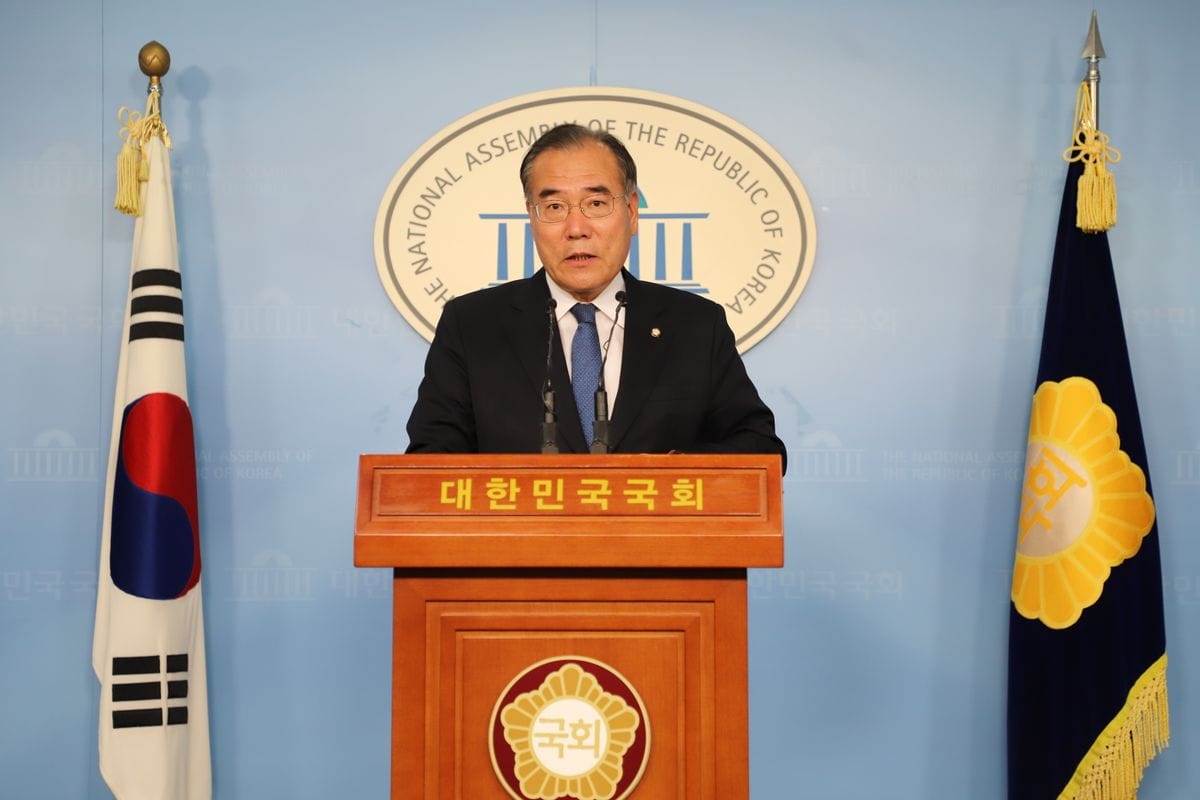
Legislator Lee Gae-ho of the Democratic Party stated, "Even for projects that have received EBL approval from the Ministry of Trade, Industry and Energy, the system must be improved to require marine spatial suitability review under the Marine Spatial Management Act before public water surface use approval." He urged the MOF to "accurately grasp the actual damage situation of mobile fishermen" and "promptly establish effective support and compensation measures that can absorb them within the legal compensation framework."
Original Korean article: Dailian
English brief by Korea Wind Intelligence, koreawindintel.com



















