What This Story Is About
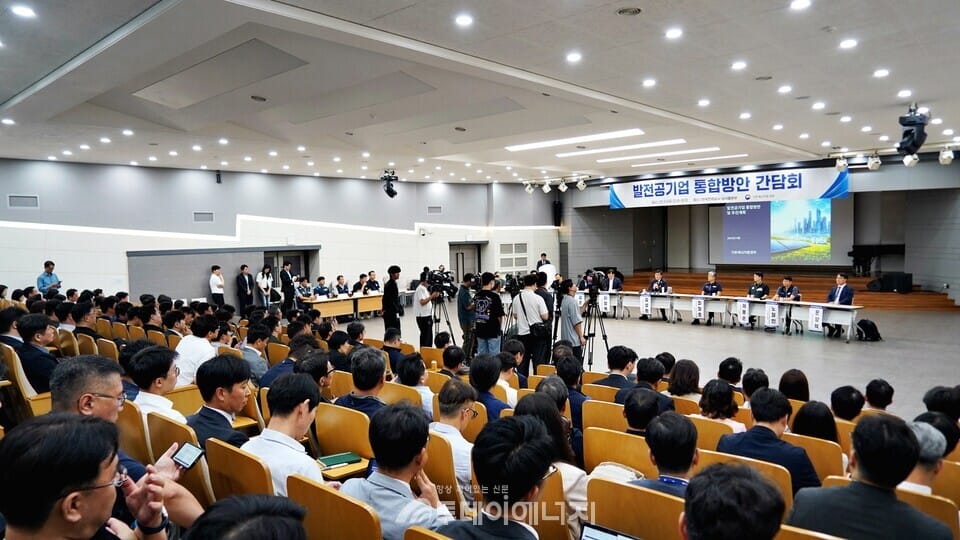
The success of Korea's nascent offshore wind cluster, a strategic initiative to bolster domestic renewable energy capacity and industrial competitiveness, is heavily reliant on effective and timely consultation with military authorities. Recent discussions underscore that navigating military regulations and securing their approval for site selection and development areas are paramount. This challenge, alongside the necessity for advanced offshore wind testing facilities and strong cooperation with local communities, dictates the pace and viability of future projects, significantly impacting the nation's energy transition goals.
Read original article from: Electimes
Background and Context
Military consultation has long been a significant hurdle for offshore wind development in South Korea. Large portions of Korea's coastal waters are designated as military exercise zones, naval routes, or air defense identification zones (ADIZ), posing considerable spatial constraints and regulatory complexities for project developers. Historically, the lack of a streamlined consultation process has led to extensive delays in project permitting, increased development costs, and even the abandonment of some potential sites.
While the Ministry of Trade, Industry and Energy (MOTIE) and local governments have made efforts to improve the permitting framework, the military's jurisdiction over maritime and airspace usage remains a critical, often opaque, bottleneck. Unlike some European nations with dedicated maritime spatial planning that integrates defense needs early, Korea's approach has often involved project-by-project negotiation. This fragmented process creates uncertainty for both domestic and international developers, who must factor in prolonged timelines for military clearance in addition to environmental impact assessments and fishery compensation agreements. The emphasis on military consultation reflects a persistent structural challenge in balancing national security imperatives with the urgent need for renewable energy expansion.
Insight and Outlook
For international developers, investors, and suppliers eyeing the Korean offshore wind market, the emphasis on military consultation highlights a key systemic risk. The unpredictable nature and duration of these clearances can significantly impact project timelines and financial models. Investors should closely monitor any initiatives from the Korean government aimed at establishing clearer guidelines, dedicated offshore wind development zones that pre-emptively address military concerns, or a more centralized, transparent consultation body involving all relevant ministries.
The next critical milestones will involve observing whether the government can facilitate a more structured dialogue between developers and military authorities, potentially leading to the designation of 'military-free' or pre-approved zones for wind farm development. Without a more predictable and efficient military consultation process, the ambitious targets for offshore wind capacity, including the development of large-scale clusters, will face continued delays and increased development costs, potentially deterring foreign direct investment. Achieving success requires not just technological prowess and financial backing, but also a robust, coordinated approach to overcoming complex spatial and regulatory challenges.
This brief is prepared for informational purposes only. It is based on publicly available sources and AI-assisted analysis. It does not constitute investment advice. Readers should conduct their own due diligence before making any decisions.