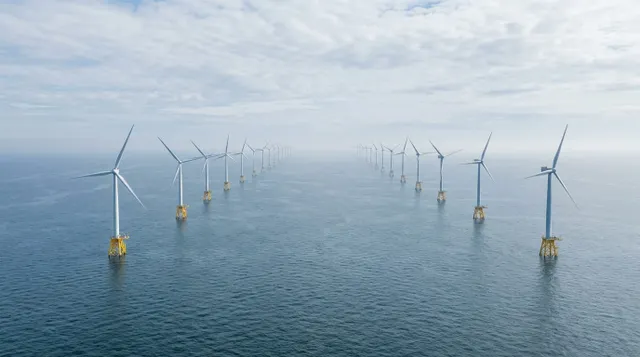
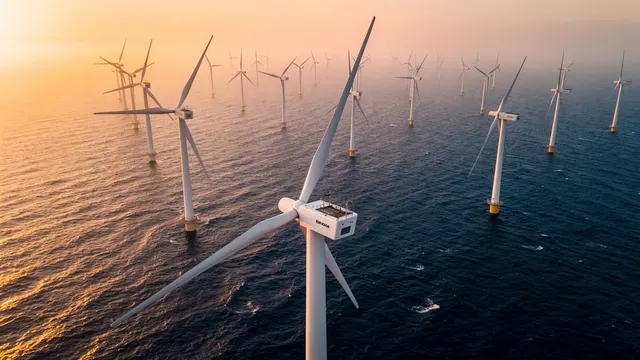
Incheon's planned 7GW offshore wind development faces critical security challenges due to its proximity to the West Sea Northern Limit Line (NLL), where North Korea disputes maritime boundaries and has escalated military posturing. The Ministry of National Defense and military branches have imposed significant operational constraints on major projects including Hanwha Ocean's Gyeonggin Peace Wind and Korea East-West Power's Haeneul Wind 1, requiring comprehensive measures to mitigate security risks.
The military has mandated extensive operational restrictions on all 43 wind turbines planned for the region, including radar shielding requirements, strict height limitations, and emergency shutdown protocols. These constraints reflect growing concerns about how offshore wind installations could interfere with military operations and surveillance capabilities in this strategically sensitive area near the disputed maritime boundary.
North Korea's continued efforts to undermine the Northern Limit Line through military posturing and maritime incursions have intensified security concerns for the renewable energy projects. The fragile Armistice Agreement framework and ongoing tensions on the Korean Peninsula create an unstable geopolitical environment that directly impacts the feasibility and timeline of South Korea's offshore wind development initiatives.
As geopolitical tensions continue to escalate, delays and complications in obtaining development permits and maintaining project schedules appear inevitable. The intersection of South Korea's renewable energy transition goals and national security imperatives in this disputed maritime region presents a complex policy challenge that requires careful coordination between energy development and military defense considerations.
Original Korean article: Incheon Today