“The Electrical and Signalling Division is responsible for railway power supply, signalling and communications. We will integrate technologies across these fields to improve energy efficiency and operational safety, and ensure that research results lead to tangible improvements for the public in actual railway operations.”
In an interview with this publication, Jung Ho-seong, head of the Korea Railroad Research Institute’s Electrical and Signalling Division, identified clean energy and AI-based autonomous operation as priorities for securing the competitiveness of future railways. Jung explained that responding to carbon neutrality and digital transformation requires integrated advances in power supply, propulsion, control and communications, rather than improvements in individual devices alone. Jung also outlined plans to strengthen a full-cycle research and development framework extending from technology development through demonstration, certification, standardization and commercialization.
Jung, who took office in May 2025, described the period since then as a process of redefining research priorities and bringing together capabilities for field deployment. The main research areas are the integration of renewable energy and energy storage systems (ESS) in railway electrification and power supply; hydrogen railways and high-efficiency propulsion systems in propulsion; and Ieum 5G-R, driverless operation and virtual coupling in control and communications.
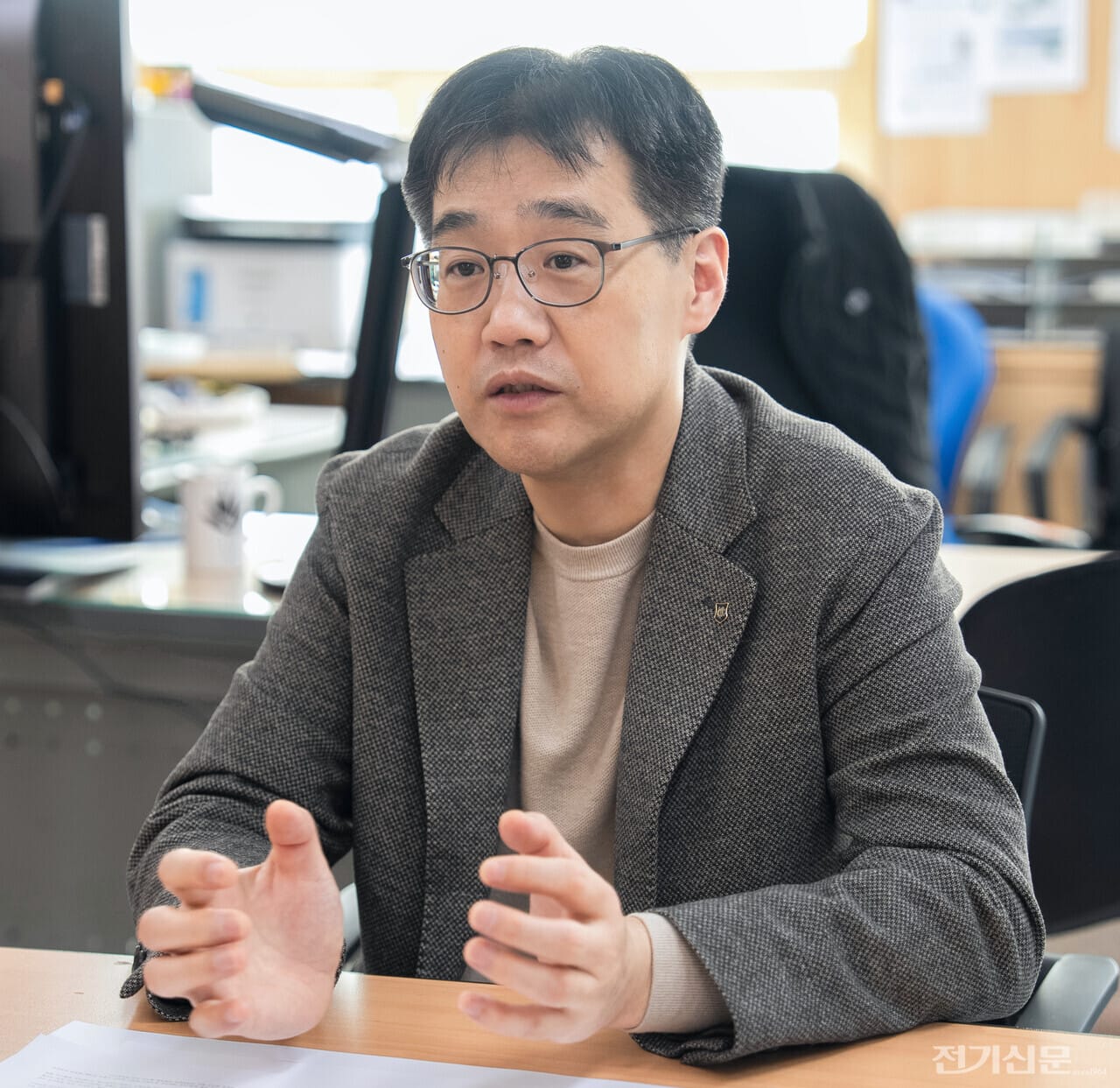
The integrated research Jung advocates starts from treating energy savings and operating efficiency as interconnected goals. Because power supply, vehicle propulsion and train control interact, Jung said research results across these fields need to be connected and the performance of the entire system assessed under actual operating conditions.