Original Korean article: Tongyeong Newspaper
Planning Report: Why Offshore Wind Power?…A Test Case for South Korea's Energy Transition
"Is offshore wind power a choice or a necessity?"
As climate crisis and energy security have emerged as national survival strategies, South Korea's energy policy is undergoing a massive transformation. Expanding renewable energy to reduce dependence on fossil fuels and achieve carbon neutrality is no longer merely an environmental policy but has become a core task of national economic and industrial strategy.
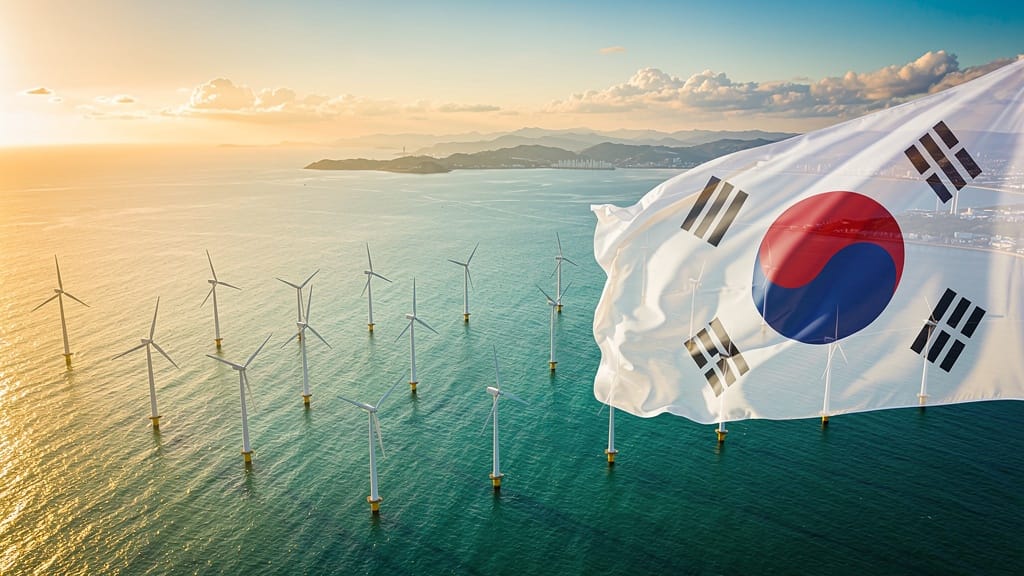
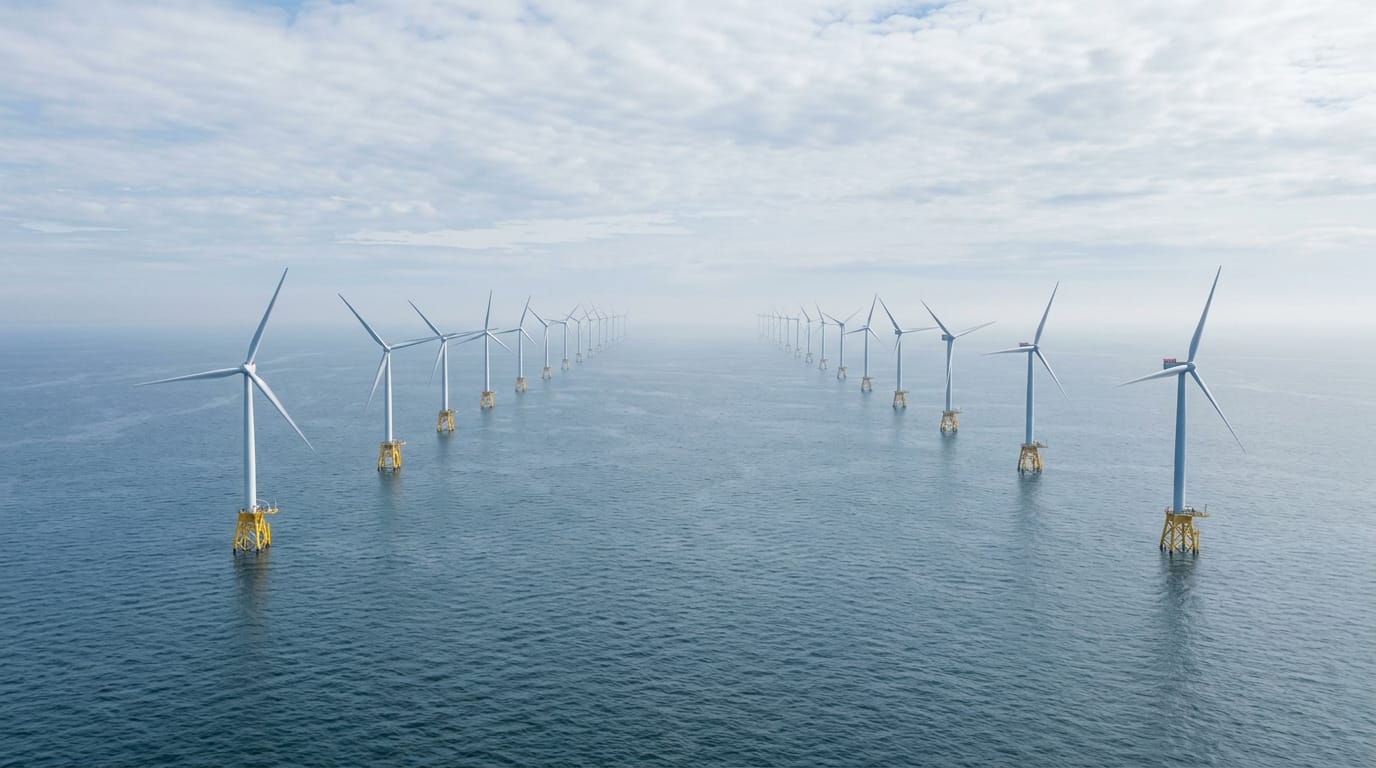
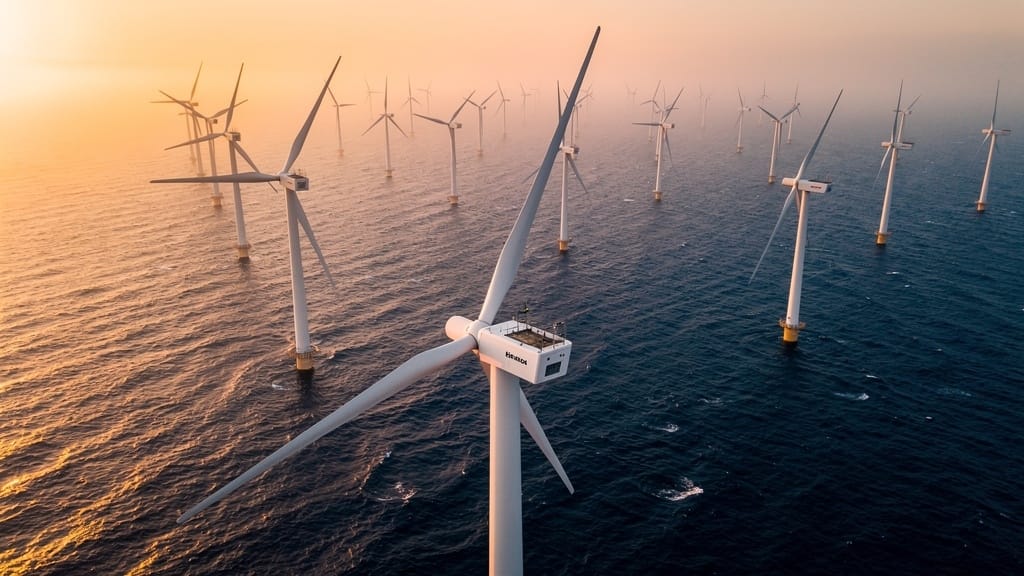
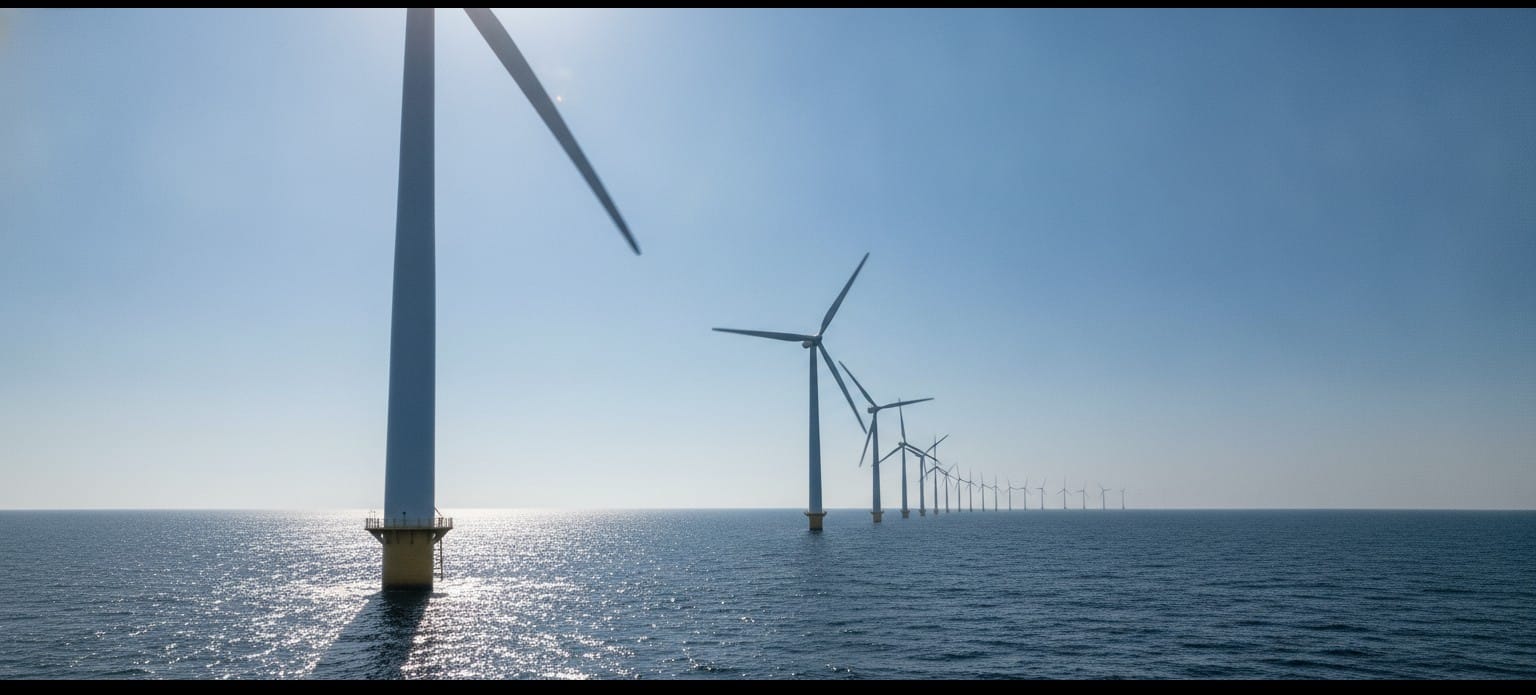
Within this context, the government has positioned offshore wind power as a key pillar of future electricity supply. It has presented a blueprint to expand domestic offshore wind power from its current commercial operation capacity of 0.35GW to 10.5GW by 2030 and to 25GW by 2035. This means not simply increasing power generation facilities but establishing a new industrial ecosystem that includes ports, installation vessels, and maintenance industries.
However, the policy to expand offshore wind power faces significant challenges from the outset. Two major obstacles stand in the way: economic viability and community acceptance.
Why Offshore Wind Power Is Needed
The government's push to expand offshore wind power is not solely because it is environmentally friendly.
South Korea imports most of its energy from abroad. Whenever international conditions become unstable, electricity rates and industrial competitiveness are shaken. Renewable energy is evaluated as the most realistic alternative for securing energy independence.