A proposal has emerged that for local companies to participate in Ulsan's floating offshore wind project, they must develop mooring component technology and build a supply chain connecting design, manufacturing, installation and operation. Marine demonstration and certification to apply domestically developed technology to actual projects, along with inter-company cooperation tailored to developers' procurement needs, were presented as key tasks.
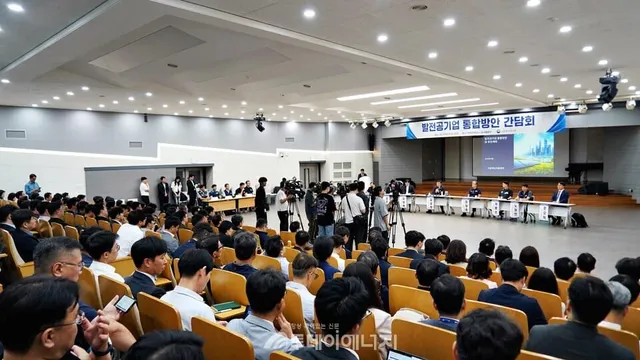
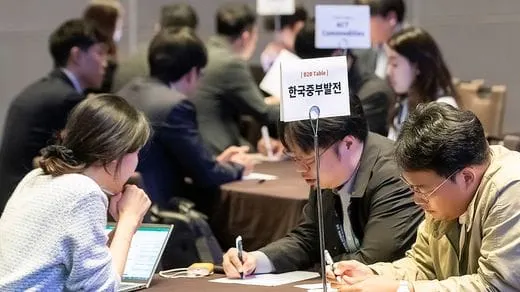
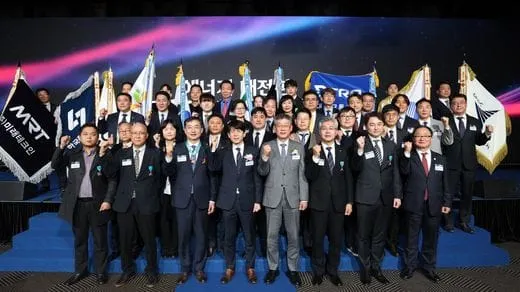
On November 4, a "Ulsan Floating Offshore Wind Mooring Supply Chain Technology Seminar" was held at Tanibe Bay Hotel in Ulsan, organized by ACE E&T. At the event, developers and engineering, equipment and marine installation companies shared business prospects and sector-specific technologies and discussed supply chain cooperation measures.
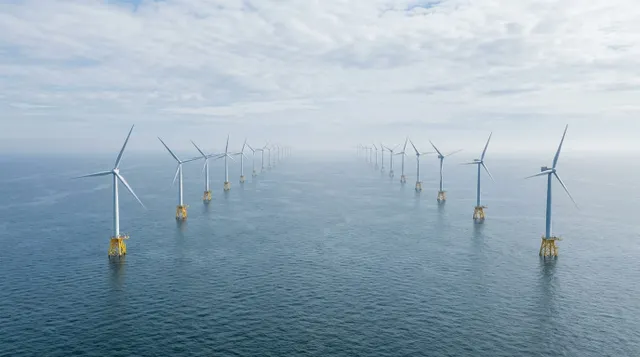
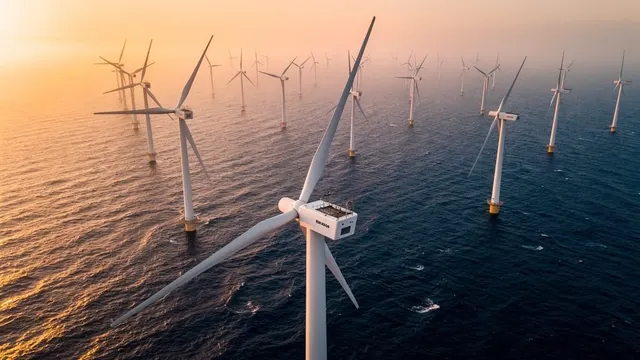
The mooring system is a device that holds floating wind power equipment at sea in a fixed position. Anchors installed on the seabed, chains, synthetic fiber ropes and connectors operate as a single system. The key is to secure safety against wind and waves while lowering manufacturing, installation and maintenance costs.
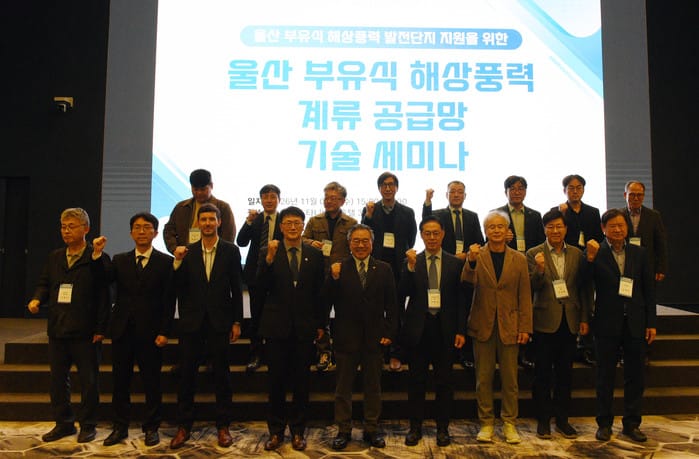
ACE E&T CEO Kim Dae-hwan emphasized in his welcoming remarks that the competitiveness of the mooring supply chain is a critical factor determining success or failure of the floating offshore wind project. He indicated that the company would discuss forming a supply chain council and promote cooperation so that participating companies' technologies can lead to actual business opportunities and contracts.
Connecting business plans to actual procurement
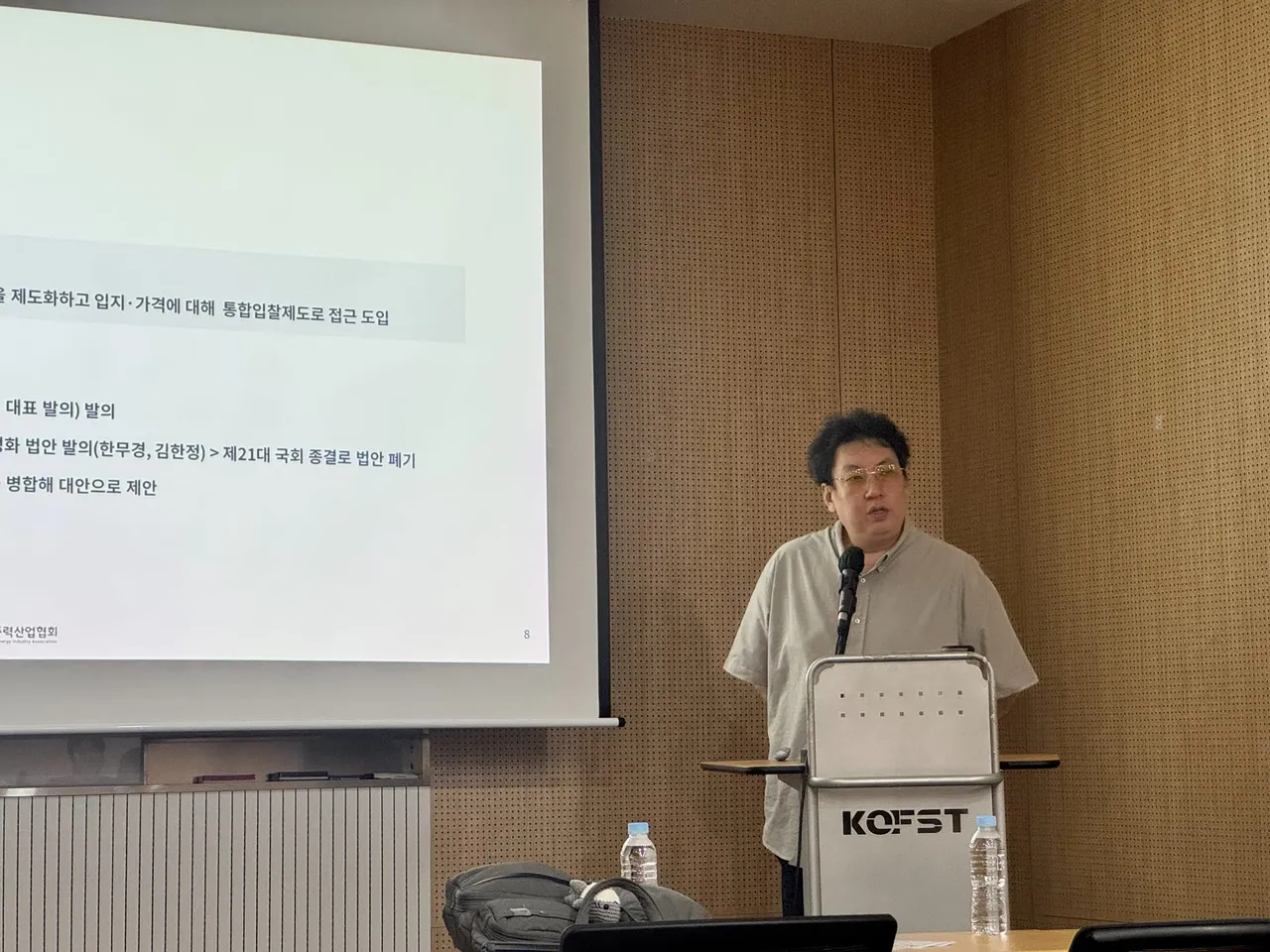
MunmuBaram's Kim Yong-wook, senior managing director, delivered the keynote address presenting Ulsan's floating offshore wind future schedule and supply chain tasks. He explained that policy and bidding schedules, power purchase agreements, design and licensing, and investment decisions must follow sequentially to connect to equipment procurement and installation.
The presentation distinguished future schedules from confirmed plans, presenting them as scenarios premised on policy implementation and developer selection. Supply chain companies likewise should confirm the actual purchase stage and required conditions rather than basing investment or production capacity expansion decisions solely on development plan scale.
Kim noted that a cooperation system proposing multiple companies' products and supply volumes together can also help the procurer establish procurement plans. He raised the need to share construction and operation data as well as project delays and failure cases as shared industry assets, and to support workforce transition from shipbuilding and offshore plant sectors.
For policy tasks, he proposed separate bidding systems reflecting floating characteristics, medium to long-term volume targets, phased cost reduction based on early commercialization experience, and expanded research and development use of preliminary survey data.
Load reduction devices: performance varies by water depth and mooring method
ACE E&T introduced progress on the "15MW-class floating offshore wind mooring line load monitoring and load reduction device development" project.
The load reduction device mitigates forces that concentrate momentarily on mooring lines when the floating body moves. ACE E&T is developing a nozzle-type device combining steel coil springs and hydraulic action. In normal conditions it secures the force needed to maintain position, and when large loads occur, the device extends to lower maximum tension.
ACE E&T manager Kim Soo-han explained that device effectiveness varies significantly by water depth and mooring method. According to presentation materials, in a simulation applying semi-taut mooring combining chain and synthetic fiber rope at 200 meters water depth, maximum mooring tension decreased 44.7 percent compared to a baseline model without the device.
This is an analysis result applying a specific floating body and environmental conditions, distinct from performance confirmed at actual offshore wind farms. The explanation noted that as mooring tension decreases, horizontal movement of the floating body may increase, requiring joint review of position maintenance and motion stability.
ACE E&T plans to expand verification reflecting different floating bodies, mooring specifications and sea area conditions for each actual project. In 2028, it plans to conduct full-scale marine demonstration in waters about 2.1 kilometers from Bangeojin Port in Ulsan at approximately 50 meters water depth. Installation and maintenance convenience, durability against repeated loads and economic feasibility were presented as additional verification tasks.
Design must consider rope, anchor and seabed together
French engineering firm PRINCIPIA introduced nylon mooring rope characteristics and integrated analysis technology. Nylon can absorb movement from waves, offering potential use in relatively shallow or intermediate water depth floating offshore wind, but the elongation characteristics vary by load magnitude and repetition history.
The presentation noted that modeling rope using only simple stiffness values can lead to incorrect assessment of minimum tension or chain fatigue. It emphasized the importance of securing manufacturer test data from the design stage and incorporating time-dependent deformation and repeated load characteristics into integrated analysis.
HNG Consultant CEO Jin Hyun-sik explained the importance of seabed survey and analysis. Geological and geophysical surveys, boring, field testing and laboratory testing must identify ground characteristics and reflect them in design. The presentation focused on fixed-bottom offshore wind monopile and tripod foundation cases.
Seho Engineering CEO Park Gong-man emphasized that anchors should not be selected as independent components. The magnitude and direction of forces on anchors vary depending on floating body size, water depth, seabed conditions and mooring line shape.
As turbines and floating bodies grow larger, anchors, mooring lines and installation equipment must grow accordingly. This presented the task of considering interactions among anchors, mooring lines, load reduction devices and floating body connectors, with developers, designers, manufacturers and installers together finding optimal configurations.
Monitoring must distinguish test results from long-term operational data
Cytronic Research Institute Director Jung Chul introduced "smart mooring" technology measuring deformation and load history of synthetic fiber mooring ropes.
Measuring tension at mooring line connections and understanding deformation conditions in rope sections provide different information. Jung proposed combining directly measured data, analysis models and underwater robot inspection for inspection and maintenance decisions.
Cytronic presented research results including up to 100-ton load tension and repeated testing of actual ropes and scaled model tank testing. However, it distinguished that such test results do not signify long-term marine operation or commercial certification of permanent mooring equipment.
Future tasks included full-scale long-term fatigue testing, underwater connection verification, joint demonstration in actual sea conditions and certification review. It explained that the initial cost from adding monitoring equipment should be weighed against verification of how collected data actually contributes to inspection and maintenance decision-making and operational cost improvement.
Installation vessel securing and domestic rope production capacity also discussed
POSH North Asia Regional Business Development Director Park No-jun addressed how marine transport and installation affect project costs and schedules. He explained that missing work windows due to weather deterioration can push vessel deployment schedules to the next available work period, significantly increasing costs.
He diagnosed that domestic structural manufacturing capacity is strong, but transport and installation infrastructure and specialized personnel are insufficient. Proposed responses included utilizing existing available vessels, securing domestic fleets linked to maintenance operations and examining institutional measures for mobilizing foreign-flagged vessels. He noted that large-scale new vessel investment without sufficient consideration of project scale and utilization rates carries high business risk.
He also emphasized the need to invest appropriate costs in seabed and marine environment surveys and basic design from early in construction, and to develop transport and installation specialists.
DSR team leader Kim Moon-soo introduced domestic synthetic fiber mooring rope production and testing capacity. DSR produces large-diameter polyester mooring ropes of 118 to 300 millimeters diameter at its Busan Noksan plant and performs braiding, assembly, end joining and processing operations.
Presentation materials included DNV manufacturer approval, ABS design evaluation and 2019 testing conducted in approximately 1,130 meters water depth in the US Gulf of Mexico. Kim noted that, in addition to rope breaking strength, length, stiffness and soil intrusion prevention performance are important design and quality control items.
DSR indicated it would provide rope specifications and stiffness data to developers and designers from early stages and explore bundled supply approaches with chain, connector and installation companies.
The common task presented at the seminar was connecting each company's technology to actual procurement needs. The requirement is to secure component performance alongside integrated design, verify in actual sea conditions and accumulate installation and operation data, then develop this into joint contracts and supply systems. Subsequent supply chain discussions are drawing attention as concrete cooperation measures for connecting Ulsan's shipbuilding and marine industry base to floating offshore wind market participation.
Original Korean article: Ulsan Journal i
English brief by Korea Wind Intelligence, koreawindintel.com