Original Korean article: Electric Times
One-stop processing of 28 laws and 42 permits within three months; pre-emptive resolution of licensing and community acceptance
The government will designate Power Generation Zones through competitive auction with reduced development risk, with price ceilings set substantially lower than existing auctions.
First preliminary districts of 2 to 3 GW to be designated this year; actual supply to begin as early as 2033
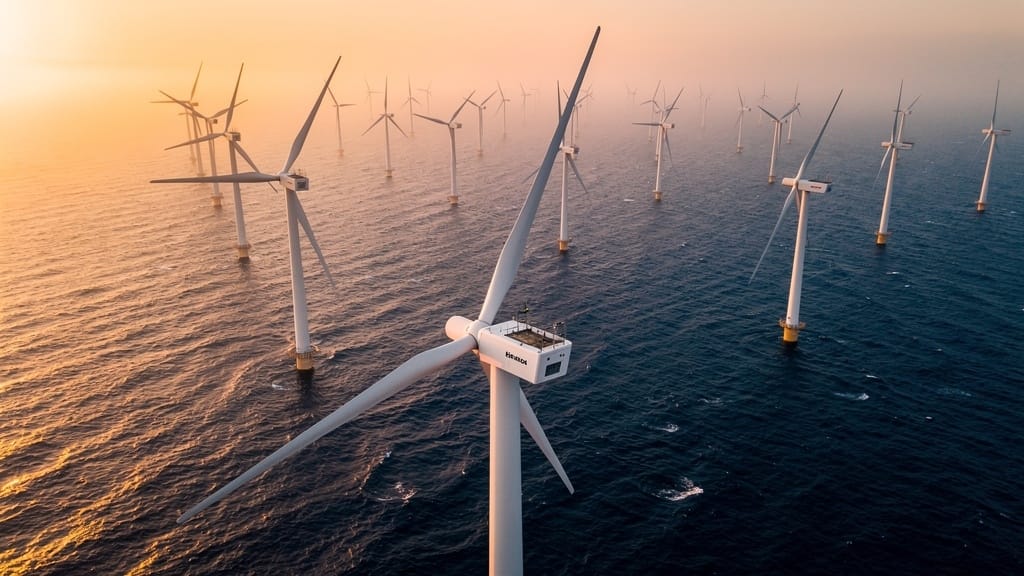
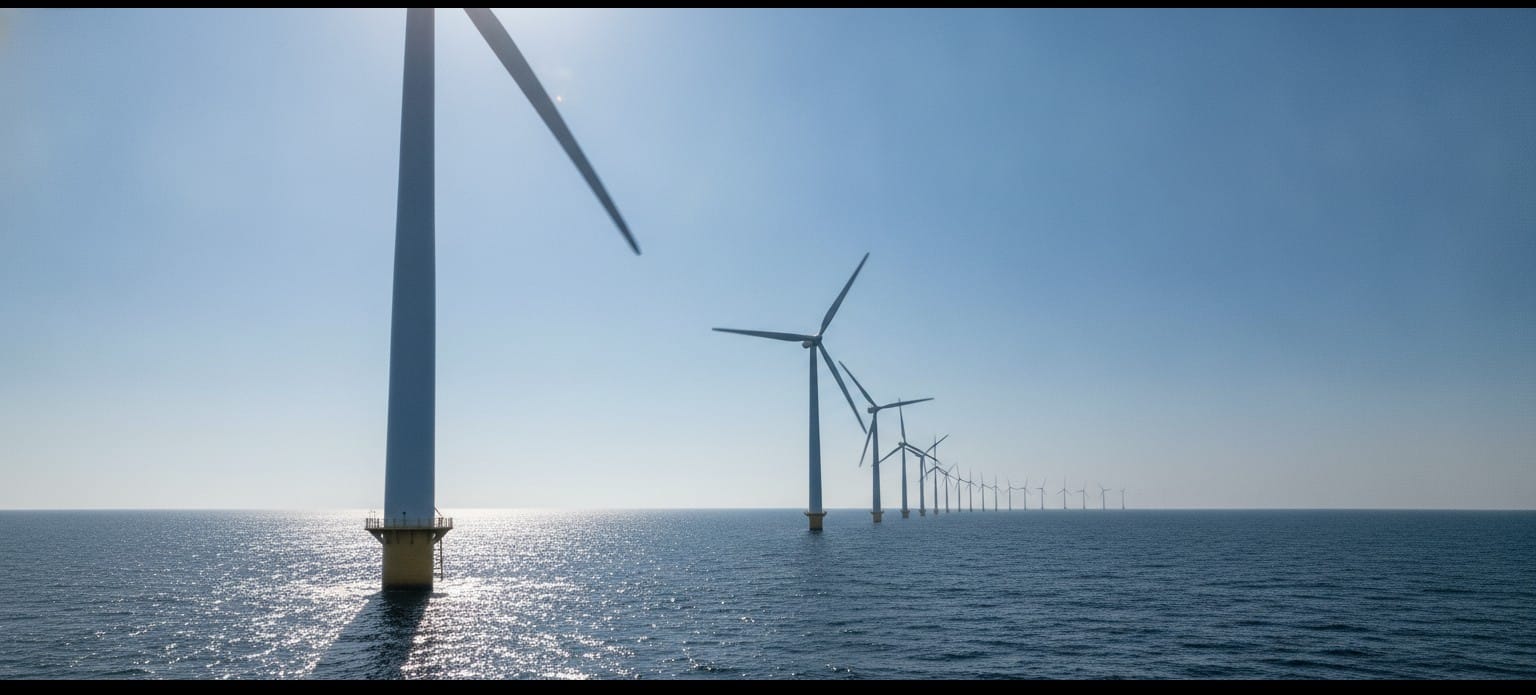
The structure of offshore wind development is shifting from one in which developers had to directly identify sites and resolve community acceptance and licensing issues, to one in which the government first identifies viable sites and presents them to developers. The core of this approach is to reduce upfront the location and licensing burdens that have been identified as the greatest uncertainties in offshore wind development. The government will conduct advance reviews of wind resources, environmental factors, fishing activities, military operations and maritime traffic, and will select developers only after consulting with residents, thereby reducing development risk.
Through this approach, the government plans to identify 25 GW of offshore wind preliminary districts by 2031 and connect approximately 20 GW to actual competitive auction volumes. Beginning with the designation of the first preliminary districts of 2 to 3 GW this year, the government intends to begin full-scale offshore wind supply through planned-site development as early as 2033.
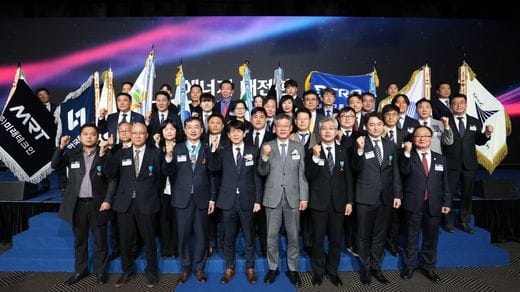
On the 2nd, the government held the first Offshore Wind Power Generation Committee meeting chaired by Prime Minister Han Sung-suk at the Government Seoul Office and deliberated and approved the "Major Achievements and Planned-Site Introduction Plan for Offshore Wind Power Development." The Offshore Wind Power Generation Committee is a whole-of-government body that deliberates and approves major matters related to planned-site development under the Special Act on the Promotion of Offshore Wind Power Development and Distribution.
The most significant change brought by the introduction of planned-site development is the sequence of project development. Previously, individual developers conducted site identification, community consultation and various licensing procedures directly. Going forward, the government will use an offshore wind site information network that consolidates 301 marine spatial information datasets and regulations to comprehensively review wind resources, environmental factors, fishing activities, maritime traffic and military operations before identifying suitable candidate sites. Local governments will form Public-Private Councils to consult with residents and fishermen before designating Power Generation Zones and selecting developers through competitive auction.
Developers will receive projects with substantially reduced location and major licensing uncertainties, creating conditions to focus on design, construction and operation. The government plans to have relevant ministries including the Ministry of National Defense and the Ministry of Oceans and Fisheries conduct advance reviews of major licensing matters at the planned-site stage, and after developer selection, to process 42 permits across 28 laws within three months through consolidated procedures under the offshore wind law.
The process for securing community acceptance is also being moved forward to before developer selection. Local governments will lead Public-Private Councils to consult with residents and fishermen in advance and develop community benefit-sharing and fishermen co-prosperity plans. The government will also pursue incentive schemes for councils that complete consultation early. The aim is to reduce problems with existing development methods where projects stall for extended periods due to resident opposition after developer selection.
The government is accelerating planned-site development against a backdrop of a large gap between licensed capacity and actual supply. Current domestic offshore wind power project licences total approximately 33 GW, but actual installed capacity stands at only 0.37 GW due to licensing delays, infrastructure shortages and community acceptance issues. The government's strategy is to add planned-site volumes to existing projects under way to accelerate supply. After supplying a cumulative 3.1 GW by 2030, the government will connect planned-site projects in earnest to expand to 25 GW by 2035 and 45 GW by 2040.
To achieve this, planned-site volumes will be secured at a total of 25 GW from this year through 2031. The government will designate preliminary districts of 2.5 GW each this year and next year, then 5 GW annually from 2028 through 2031. The government expects approximately 80 percent of this, or 20 GW, to proceed to actual Power Generation Zone competitive auctions. Competitive auctions will be held approximately three years after preliminary district designation, so volumes designated this year will enter the auction market from 2029 onward. The government plans to sequentially auction a total of 20 GW by 2034 to support medium and long-term supply targets.
As development risk decreases through planned-site development, the government will operate Power Generation Zone competitive auction price ceilings at levels substantially lower than existing competitive auctions. For existing developers who wish to join the offshore wind law system, separate procedures will be established allowing transition to the planned-site system, including advance licensing review, if certain conditions are met.
The first test will be the preliminary districts designated this year. The government plans to conduct consultations and evaluations among relevant ministries on candidate areas by October, proceed through Offshore Wind Power Generation Committee approval, and designate approximately 2 to 3 GW of preliminary districts in December. Following basic design, environmental review, Public-Private Council operations and Power Generation Zone designation, offshore wind developed through the planned-site method is expected to enter the power market as early as 2033.