

Conversion of 3 GWh out of Seosan's 7 GWh capacity to ESS production, with production equipment also being adjusted at the Georgia plant; supply agreements secured for up to 7.2 GWh with Flatiron and 9 GWh with NeoVolta; 284 MW awarded in domestic ESS bidding, with deliveries set to gather pace from 2027.
SK On, facing pressure on production operations as electric vehicle battery demand slows, is seeking new revenue in the energy storage system (ESS) market. Its strategy is to improve utilization at existing plants by converting some EV battery production lines to ESS batteries. In the United States, it has secured Flatiron Energy and NeoVolta Power as customers, while in South Korea it has won volumes in the government-led ESS central contract market. It is adjusting its business structure by using existing production assets rather than building new factories.
According to industry sources on November 2, SK On is converting 3 GWh of its Seosan plant's total 7 GWh production capacity in South Chungcheong Province to ESS lithium iron phosphate (LFP) battery production lines. The schedule calls for trial production at the end of 2026, followed by deliveries beginning in the first half of 2027. It is also converting some production lines at its Georgia plant in the United States to ESS production. Batteries for NeoVolta Power in the United States are also planned to be produced at the Georgia plant.
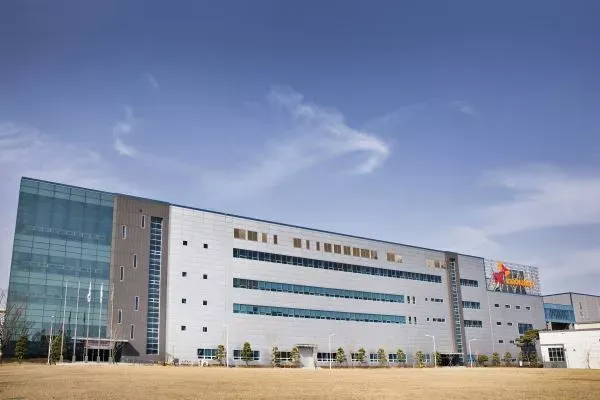
The production line conversions respond to slowing EV battery demand. As EV sales growth falls short of expectations, battery manufacturers are focusing on making greater use of existing production capacity. Rather than investing in new equipment, SK On has chosen to convert existing EV battery lines to ESS production to lower initial investment requirements and adjust capacity to match secured orders.
The company is also securing customers. In 2025, SK On signed an ESS battery supply agreement with U.S. energy company Flatiron Energy. The agreement covers up to 7.2 GWh from 2026 through 2030. However, the full 7.2 GWh is not confirmed supply volume. The volume committed to specific projects is 1 GWh, while the remaining 6.2 GWh is subject to priority negotiations for projects Flatiron is pursuing. SK On expects ESS revenue under this agreement to begin in the fourth quarter of 2026.
It has secured a separate long-term supply agreement with NeoVolta. The agreement covers a total of 9 GWh of LFP pouch cells over five years from 2027 through 2031. The products will be manufactured at the Georgia plant in the United States. While the Flatiron agreement is expected to begin generating revenue in 2026, the NeoVolta agreement covers long-term supply from 2027 onward.
SK On has also established a supply base in the domestic market. In February 2026, it secured 284 MW in the second ESS central contract market auction. This represents more than half of the total 565 MW awarded. It plans to supply three project sites in South Jeolla Province, with deliveries proceeding sequentially from 2027 onward. By securing volumes through domestic public bidding in addition to U.S. customer contracts, the company has expanded the customer base for its ESS business.
The company is also building a materials procurement network centered on domestic suppliers. SK On signed an agreement with L&F worth approximately 160 billion won for ESS LFP cathode materials from 2026 through 2028. It also signed a supply agreement with POSCO Future M worth approximately 1.1 trillion won from 2027 through 2029. The two agreements total approximately 1.26 trillion won. The arrangement secures its supply chain by procuring cathode materials needed for ESS battery production from domestic companies.
Expansion of the ESS business could affect SK On's production utilization and investment requirements. When EV battery demand declines, factory utilization falls and lower production increases the burden of fixed costs. Converting existing facilities to ESS production and securing shipments could reduce idle capacity while also saving investment otherwise needed to build new plants. However, EV and ESS batteries differ in product specifications and production conditions, requiring equipment adjustments and stabilization of mass production.
Given SK On's financial pressures, the contribution of ESS volumes to earnings is also important. SK On recorded revenue of 1.5263 trillion won and an operating loss of 80.5 billion won in the third quarter of 2026. In the previous quarter, it posted an operating profit of 821.8 billion won, reflecting one-off income including customer compensation. In the third quarter, however, revenue fell 48.2% from the previous quarter as battery sales to major customers declined. With EV battery shipments yet to recover, whether ESS supply volumes can supplement production has become important.
However, not all contracted volumes should be counted as confirmed revenue. Of the Flatiron agreement's 7.2 GWh, 6.2 GWh is subject to priority negotiations, and the 284 MW awarded in the domestic central contract market uses a different unit from GWh, which measures battery energy capacity. Supply under the NeoVolta agreement also begins in 2027. Actual shipments and the timing of revenue recognition may vary according to each agreement's supply conditions and project progress.
SK On's secured ESS business comprises the U.S. Flatiron agreement, the NeoVolta supply agreement and volumes awarded in the domestic central contract market. Revenue from the Flatiron agreement is scheduled to begin in the fourth quarter of 2026, while the 3 GWh of converted facilities at Seosan are preparing for deliveries in the first half of 2027. NeoVolta supply also begins in 2027. Work is gathering pace to convert production facilities built for EV battery demand to ESS production and translate that capacity into actual revenue.
Original Korean article: thetracker.co.kr
English brief by Korea Wind Intelligence, koreawindintel.com

















