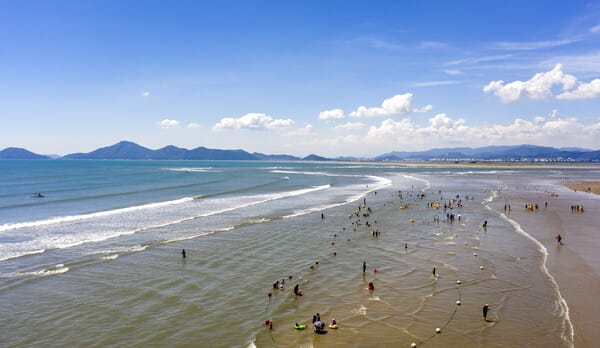
Conflict within local communities over offshore wind power development is growing. One side argues that it is necessary for carbon neutrality and revitalizing the regional economy, while the other expresses concern about the impact on fishing rights, marine environments, and residential areas. This is why residents' views diverge even as they look at the same sea.
The recent controversy surrounding the Dadaepo offshore wind project illustrates this reality. Some residents see the project as an opportunity to inject new vitality into the regional economy, while for fishermen, the sea is not a space for installing power generation facilities but the foundation of their livelihood. It is natural that support and opposition divide when perspectives on economic benefits and impacts on fishing and the environment differ.
The need for reliable information
The problem is not determining which side is right first. The key is whether residents can make judgments based on sufficient and accurate information.
Offshore wind projects involve diverse information: generation scale and projected output, impacts on fishing activities, possible changes to the marine environment, project duration, methods of resident participation, and economic benefits returning to the region. If the developer and groups on both sides present only information favorable to their positions, it becomes difficult for residents to judge objectively.
Therefore, economic benefits and concerns about the environment and fishing must be disclosed by the same standards, and major survey results and potential damages must be presented transparently. Where necessary, public verification through expert institutions independent of stakeholder interests should also be conducted.
The state's responsibility
The role of the state is crucial here. The state must not withdraw from the conflict under the guise of neutrality. Nor should it limit itself to persuading residents to support the project. Rather than taking the side of either the developer or residents, the state must establish a verification system that both sides can trust and mediate the conflict.
A formal discussion structure is also needed where residents in favor, residents opposed, fishermen, experts, and the developer can ask questions and provide answers based on identical information. A few rounds of resident briefings are not sufficient to gather opinions. Methods that present conclusions beforehand and then solicit resident views must also be avoided.
Offshore wind power is a project where national energy transition goals meet the survival rights of local residents. National needs alone must not push aside local concerns, nor should the necessity of the project be judged by opposition from some.
Trust through fair procedure
What is ultimately needed is not victory for either side. Fair information disclosure, independent verification, transparent discussion, and responsible coordination by the state and local governments must all work together.
Neutrality is not neglecting conflict. The public role is to verify facts and actively intervene to ensure sufficient discussion without leaning toward either side. Social acceptance of offshore wind power comes not from promotion but from trust. And that trust begins with fair procedure.
Original Korean article: Nyuseuhupeulreoseu
English brief by Korea Wind Intelligence, koreawindintel.com