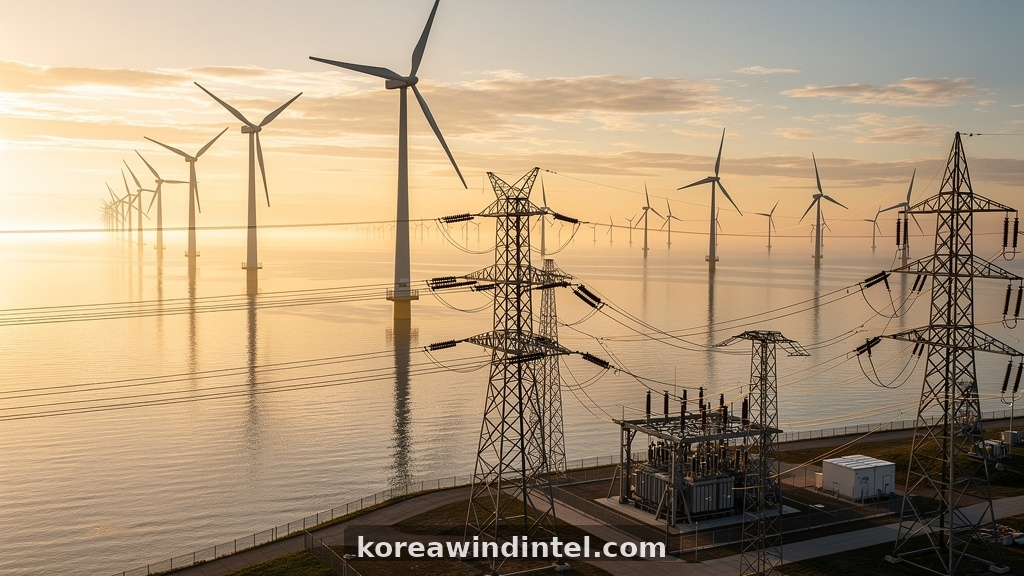
Myungwoon is convinced that the expansion of power infrastructure demand in the artificial intelligence era presents a golden opportunity to grow its offshore wind business. The company is pursuing large-scale offshore wind development projects in the southwestern waters while linking wind turbine manufacturer Unison with affiliate Samhae E&C to build a value chain spanning business development, equipment, and engineering, procurement and construction (EPC). This strategy reflects Myungwoon's plan to expand beyond being an offshore wind developer into a comprehensive wind business operator as power demand accelerates with the spread of AI data centers.
IEA projects data center power consumption to double by 2030
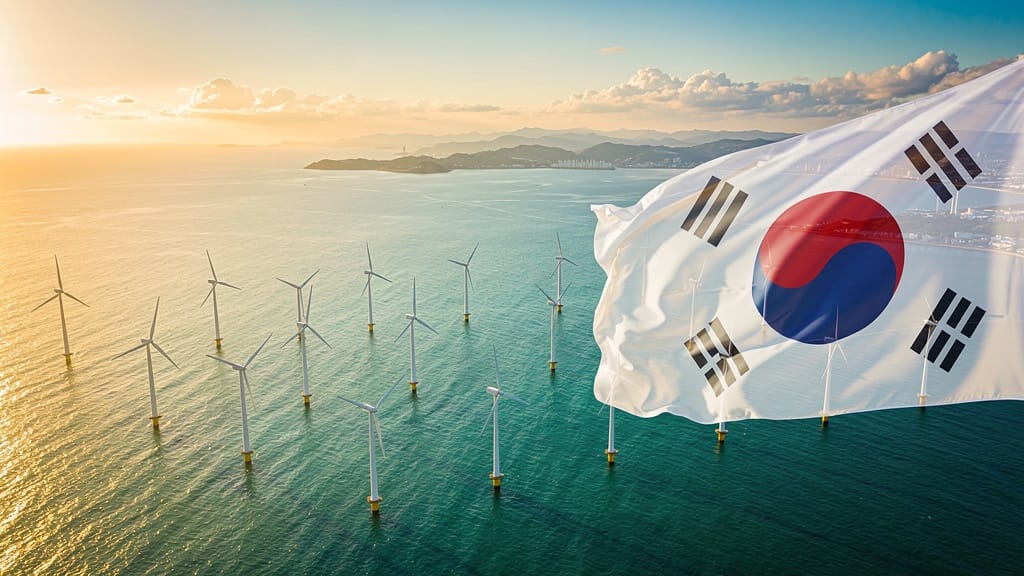
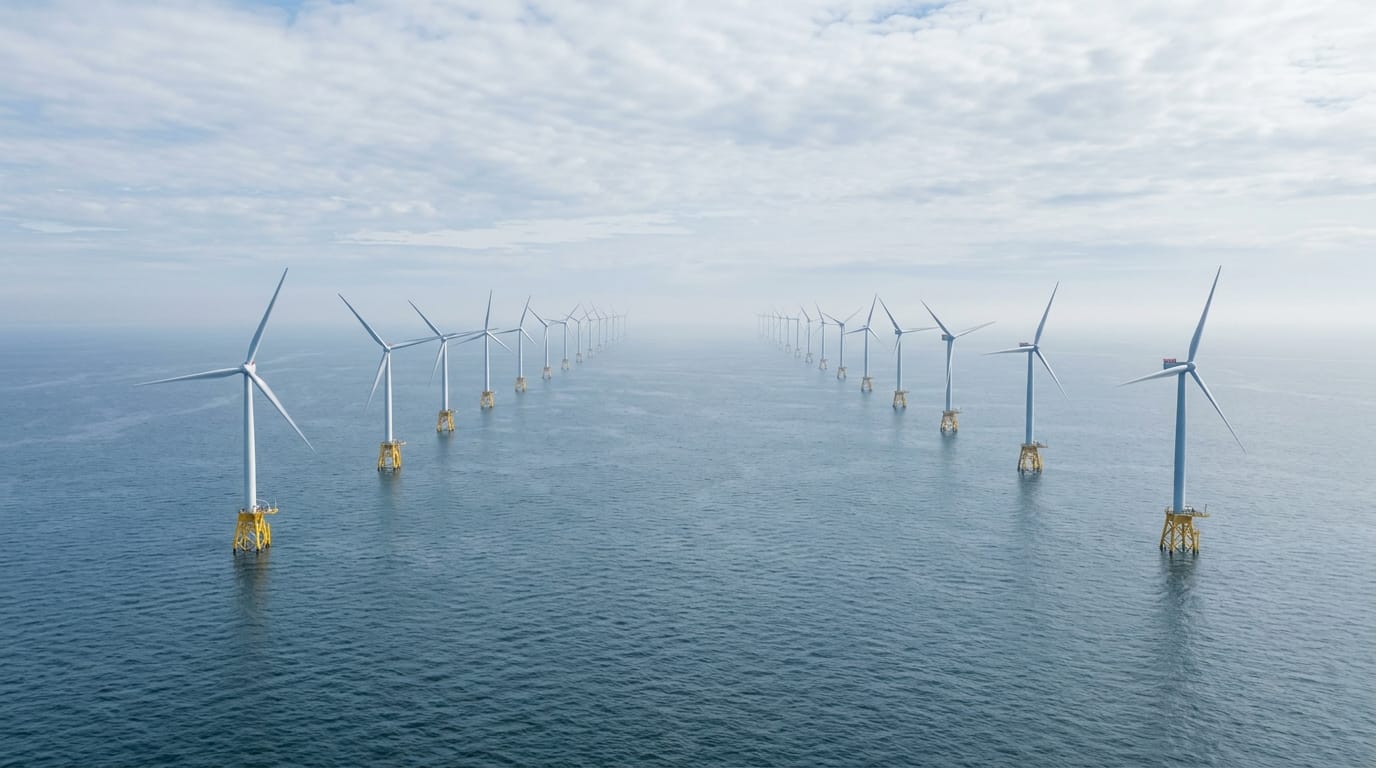
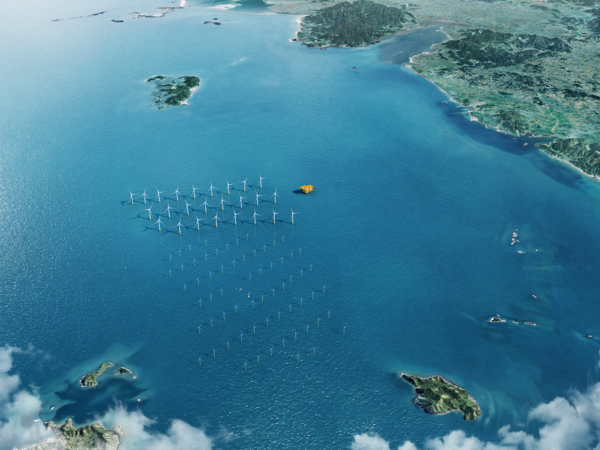
According to industry sources on September 14, 2026, Myungwoon is pursuing offshore wind projects totaling 3.4 gigawatts (GW) in the southwestern waters including Yeosu and Yeonggwang in South Jeolla Province. Major projects include Nagwol offshore wind and Hanbit offshore wind in Yeonggwang, and Gwangpyeong offshore wind in Yeosu. The company's first project, Nagwol offshore wind, has a capacity of 364.8 megawatts (MW).
Myungwoon identified the offshore wind business opportunity in the recognition that power demand will inevitably increase as the AI industry grows. The International Energy Agency (IEA) forecasts that global data center power consumption will nearly double from approximately 485 terawatt-hours (TWh) in 2025 to around 950 TWh in 2030. Power consumption at data centers specialized for AI is expected to increase more than threefold over the same period.
Expanding data centers requires more than server and semiconductor investment. Large-scale power generation facilities and grid expansion are needed to supply power continuously. Considering the demand to reduce carbon emissions, the importance of securing renewable energy sources also grows. The IEA expects renewable energy to cover a substantial portion of the growing global data center power demand by 2030.
Building an offshore wind business pipeline
Myungwoon is expanding the scale of its offshore wind projects in response to rising power demand while restructuring its business model. The key is integration with Unison, the wind turbine manufacturer. Myungwoon became Unison's largest shareholder earlier this year and last month converted all of its convertible bonds (CB) into common shares, raising its direct stake to 19.13 percent. Management has also been strengthened through the appointment of Kim Byung-ju and Kwon Jung-min, both from Myungwoon, as co-CEOs, reinforcing the integration in both business and management.
Bringing Unison into the fold means Myungwoon is expanding from its role as an offshore wind developer into a business operator that directly secures core equipment. In offshore wind projects, wind turbines are critical equipment that determines power generation and project costs. When a developer and turbine manufacturer operate within a single business system, they can coordinate project schedules with equipment supply and pursue equipment procurement tailored to the characteristics of each power plant.
Connecting affiliate Samhae E&C broadens the business structure further. The structure has Myungwoon handling offshore wind project development, Unison supplying wind turbines, and Samhae E&C undertaking EPC. Rather than securing development projects and then assigning major processes to external companies, this strategy links key stages of offshore wind projects within the group.
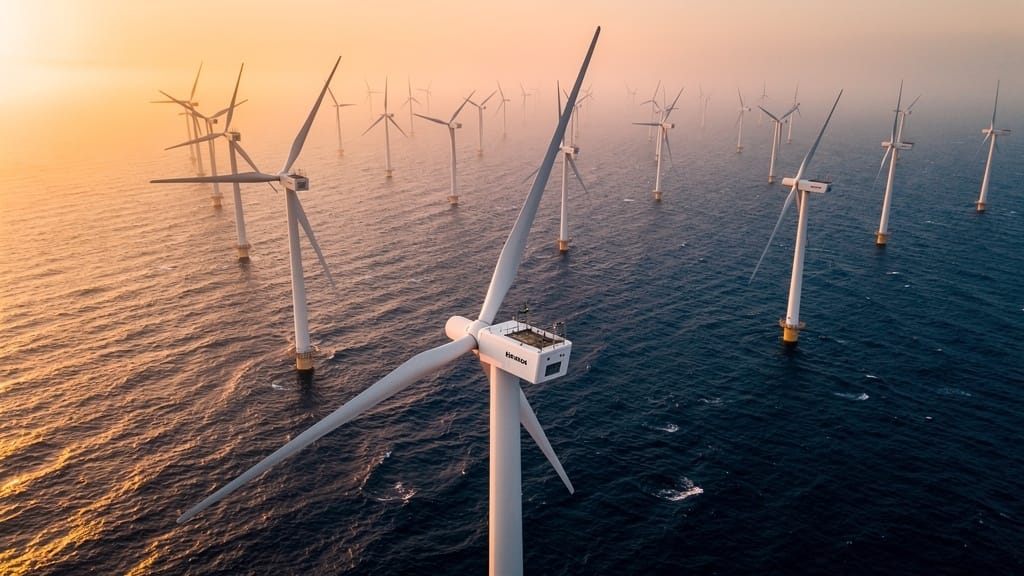
Myungwoon's project pipeline can also serve as a growth foundation for Unison. Unison is expanding its capacity to supply large offshore wind turbines. Through cooperation with overseas companies, it is pursuing production of 15 MW-class turbines while planning long-term development of 20 MW-class turbines in-house. Through this, it plans to realize its goal of surpassing 1 trillion won in revenue by 2030 in the medium to long term.
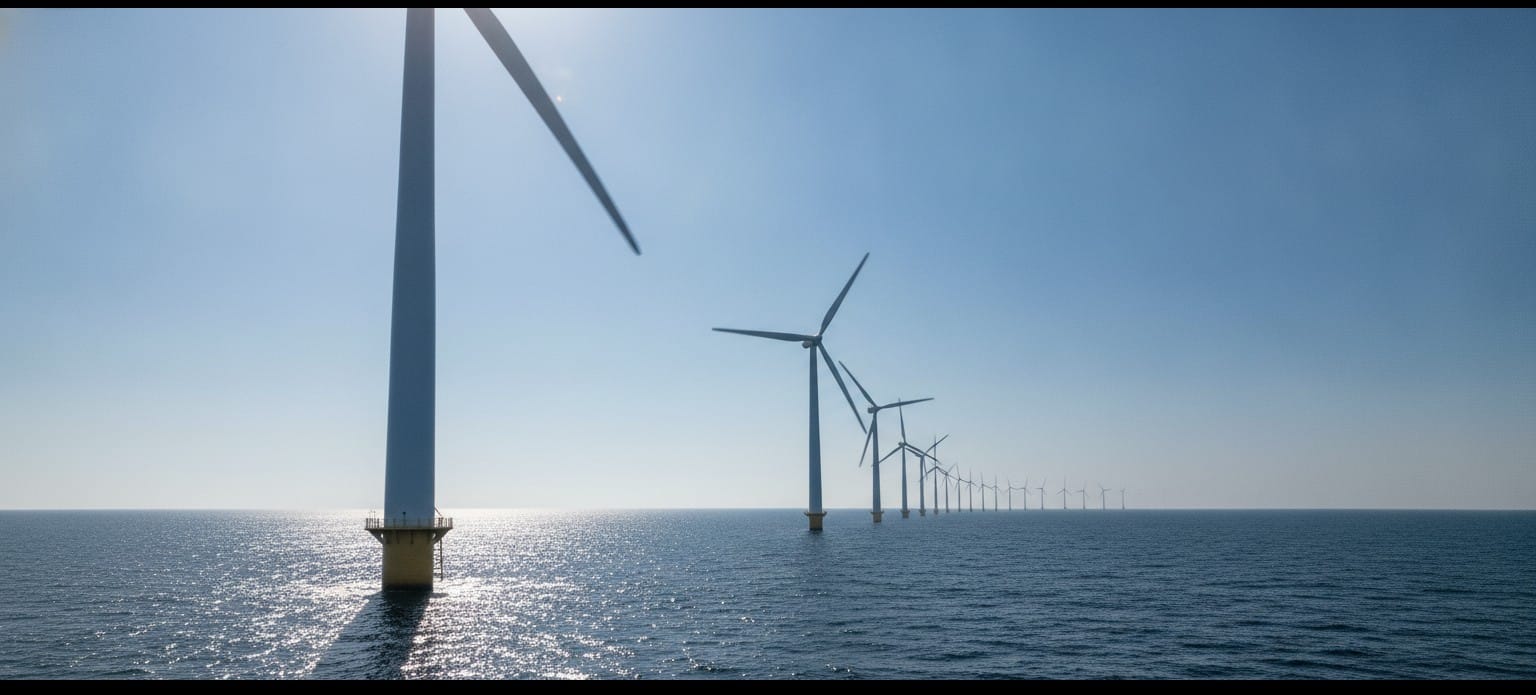
Turbine scaling aligns with Myungwoon's competitiveness in power generation. As generating capacity per turbine increases, the number of turbines needed to build a power plant of the same size decreases. This creates room to reduce costs for foundation structures, submarine cables, and installation and maintenance, helping improve the business viability of power plants.
Execution remains critical
The expansion of power demand in the AI era does not directly translate into increased earnings for Myungwoon. Offshore wind is a long-term business requiring multiple procedures including licensing, grid connection, community acceptance, and financial arrangements, making execution capability crucial to starting construction on follow-up projects as planned and connecting them to commercial operation.
Unison is scheduled to supply 25 units of 13.6 MW-class turbines to Hanbit offshore wind and 12 units of 6.35 MW-class turbines to Gochang offshore wind, so the company still faces the stage of converting large turbine orders into actual production and revenue. Nevertheless, the expansion of power demand driven by AI industry growth in the medium to long term is serving as a growth driver supporting Myungwoon's expansion of its offshore wind value chain.
Original Korean article: Beulroteo
English brief by Korea Wind Intelligence, koreawindintel.com