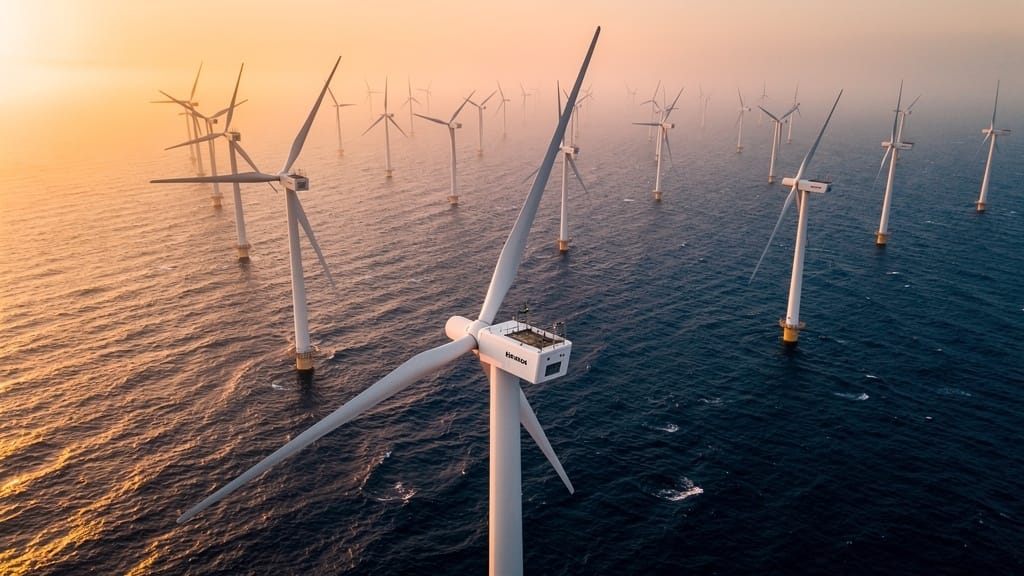
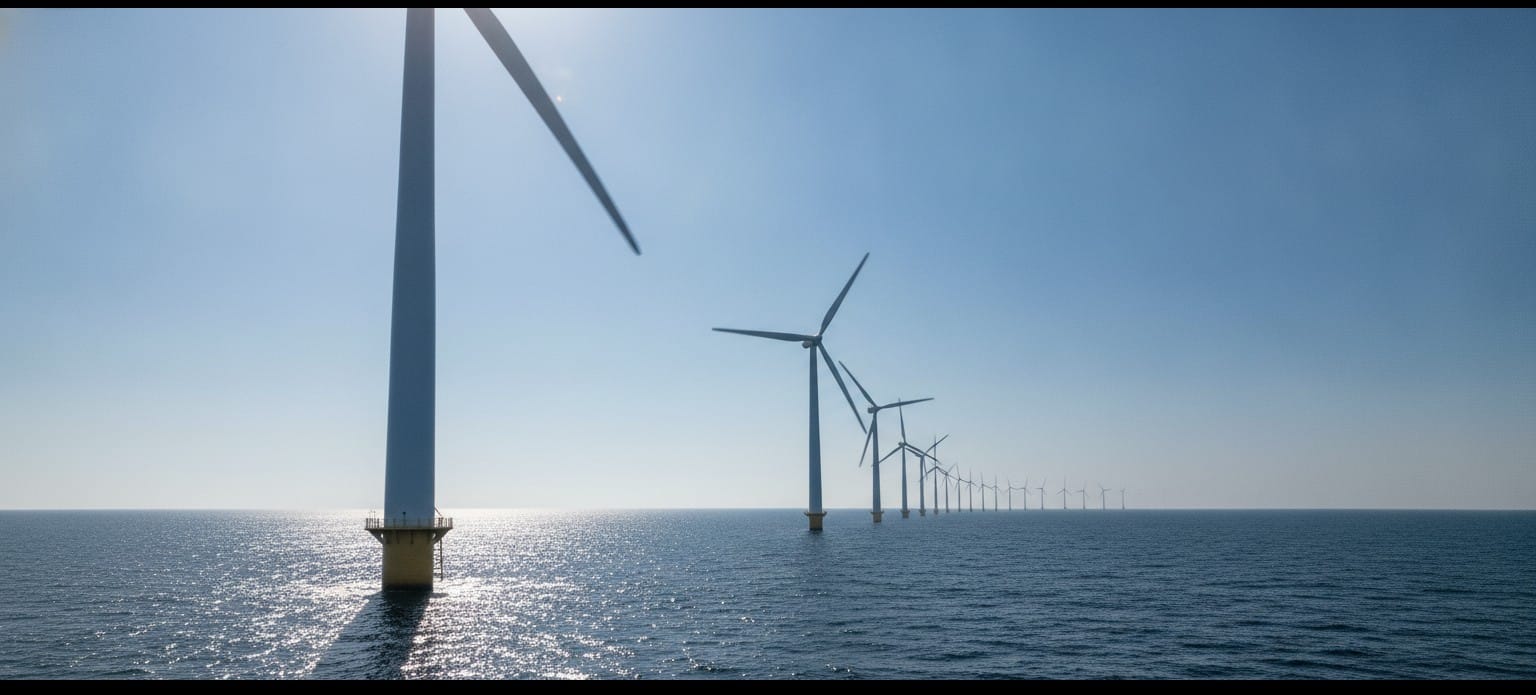
The Dadaepo offshore wind project in Saha District, which would become South Korea's first publicly led commercial offshore wind farm, is advancing through administrative procedures including conditional approval from the Ministry of Oceans and Fisheries for maritime traffic safety assessment and sea area utilization impact assessment. However, National Assembly member Jo Gyeong-tae, who represents the region, has expressed opposition to the project, drawing attention to how this could affect its progress. A regional National Assembly member's opposition can become a significant variable in securing community acceptance, which is a critical factor for project advancement.
On September 9, a spokesperson for Jo's office stated that "it is the member's firm position that the offshore wind project is not appropriate in light of Dadaepo's future."
The spokesperson cited two reasons for the opposition: that the offshore wind project would interfere with the complex marine leisure and tourism city project planned for the region, and that the power generation facilities would be too close to densely populated residential areas at only 3 kilometers away.
Uncertainty over competing projects
However, Busan failed in both the 2025 call for proposals and the additional call from the Ministry of Oceans and Fisheries for complex marine leisure and tourism city development. The ministry is known to plan to select only two additional locations nationwide in 2028, and there is no guarantee that Dadaepo will be chosen at that time.
Moreover, according to available information, the Ministry of Oceans and Fisheries regulations contain no penalty provision that would reduce scores for complex marine leisure and tourism city selection due to offshore wind power generation. In other words, the offshore wind project and the complex marine leisure and tourism city development project are unrelated to each other.
A local expert stated that "the feet of a private power generation project should not be held back because of an uncertain future matter."
The claim that power generation facilities are too close to densely populated residential areas is also questionable, as facilities in Jeju are known to be located 500 to 700 meters from residential areas.
Dispute over community consultation
Jo's office has already held multiple meetings with residents opposed to the offshore wind project.
The problem is that during this process, Jo's office has been avoiding meetings with people who support the offshore wind project. A spokesperson for Jo's office stated, "This is the first time I have heard that we do not meet with those who support the project," but a local fishing cooperative official claimed that "we have been requesting a meeting since April to explain the position of the majority of fishing cooperatives who support the project to member Jo, but it has not been arranged."
Busan, which has positioned the Dadaepo offshore wind project as central to its renewable energy supply expansion plan, also appears troubled by the regional National Assembly member's opposition.
A city official stated, "We understand the position of the member, who must listen to local residents' opinions," but added that "there are complaints requesting an objective approach so that the project can proceed early by listening carefully to both supporting and opposing views without escalating conflict."
A survey conducted in May by research firm STI Innovation of 1,010 residents in Saha District, including residents of Dadae 1 and 2 Dong near the project site, showed that 56.7 percent of respondents supported the project, more than twice the 26.7 percent who opposed it.
A Saha District Office official stated, "As soon as coordination with the Ministry of National Defense is completed, we plan to apply for a public water surface use licence from the Ministry of Oceans and Fisheries, and the project is being pursued with a goal of construction start in the first half of next year."
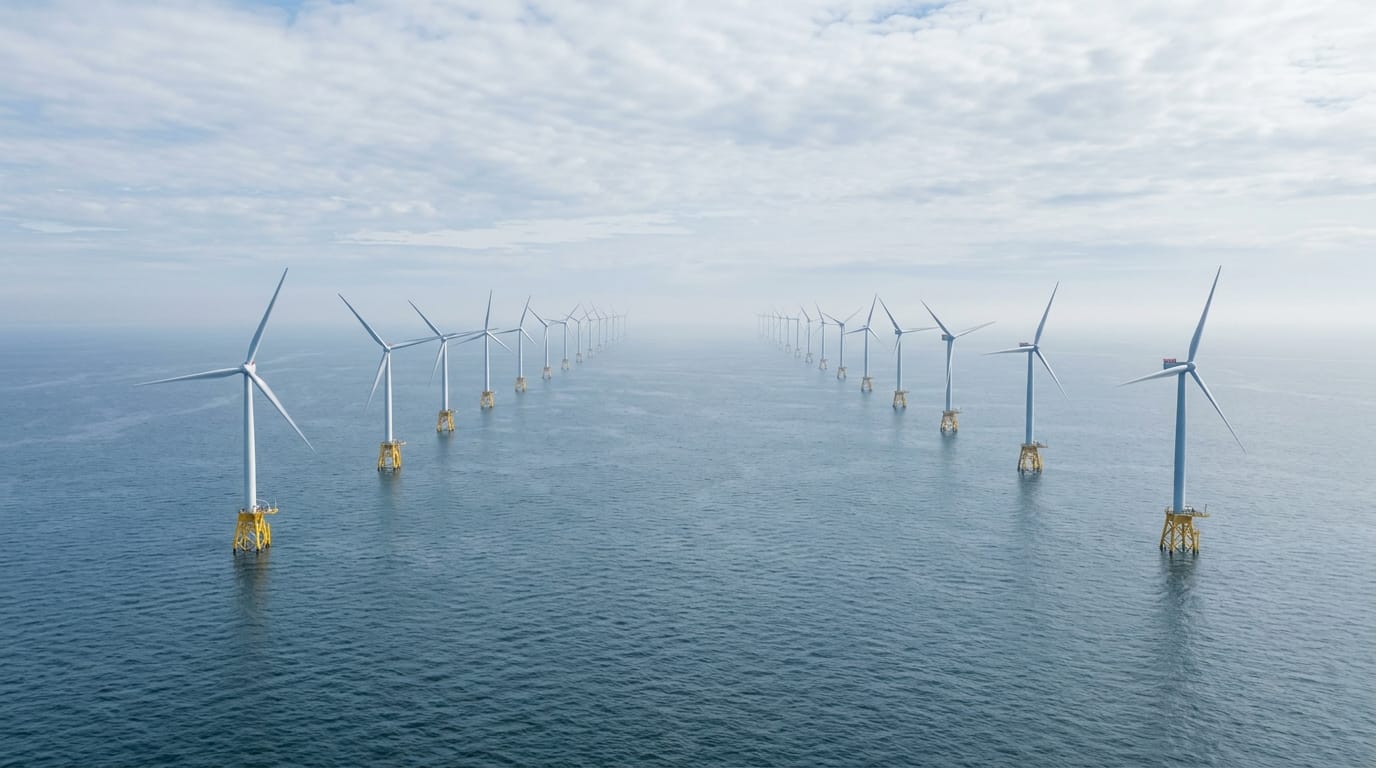
The Dadaepo offshore wind project involves establishing a fixed-bottom offshore wind farm approximately 3 to 5 kilometers from Dadaepo Port in Saha District, Busan, to generate 99 megawatts of power using 10 units of 9.9 megawatts each. Korea Southern Power and Busan Offshore Wind Power are participating in the project.
Original Korean article: Newsis
English brief by Korea Wind Intelligence, koreawindintel.com