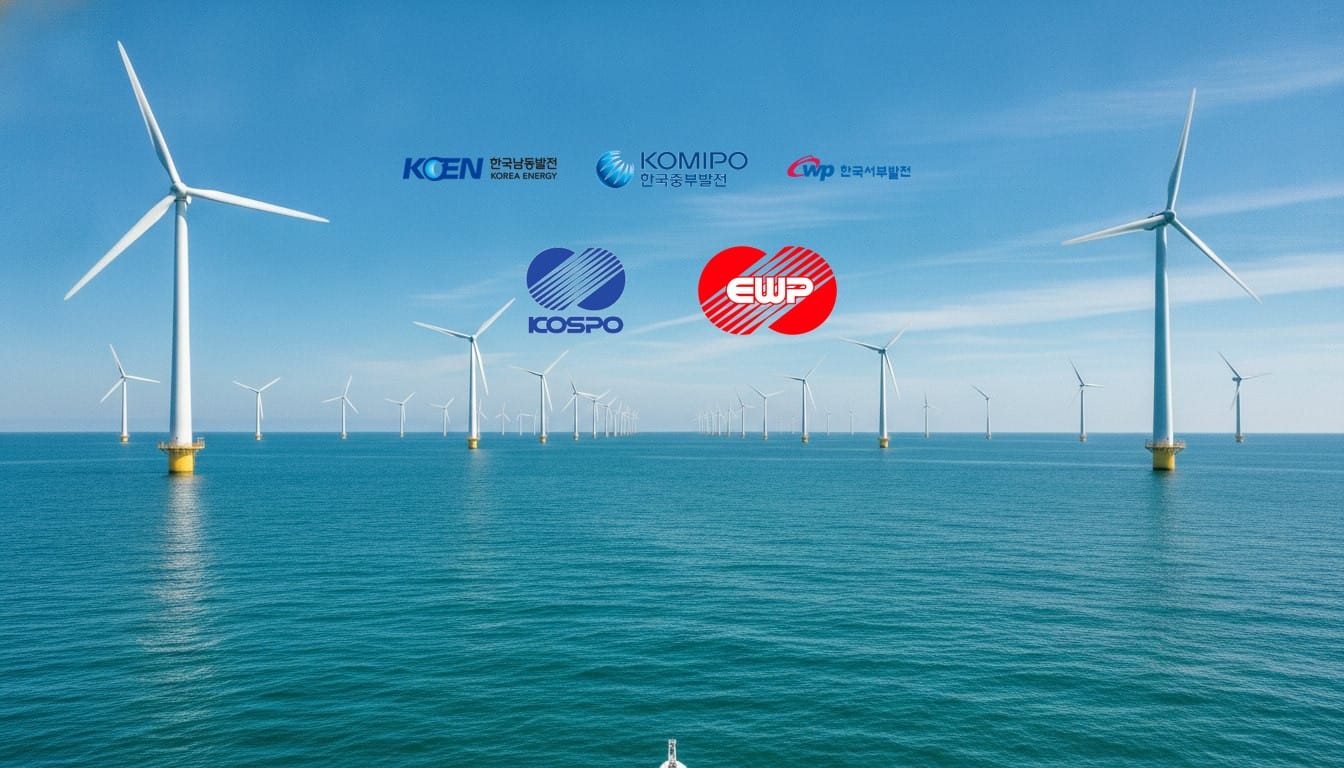
Competition among local governments to attract the integrated headquarters of the Five Gencos (Korea South-East Power, Korea Southern Power, Korea East-West Power, Korea Western Power, and Korea Midland Power) is intensifying, with Naju in Jeollanam-do and Gwangju drawing attention for its competitive advantages as an aspiring "energy capital."
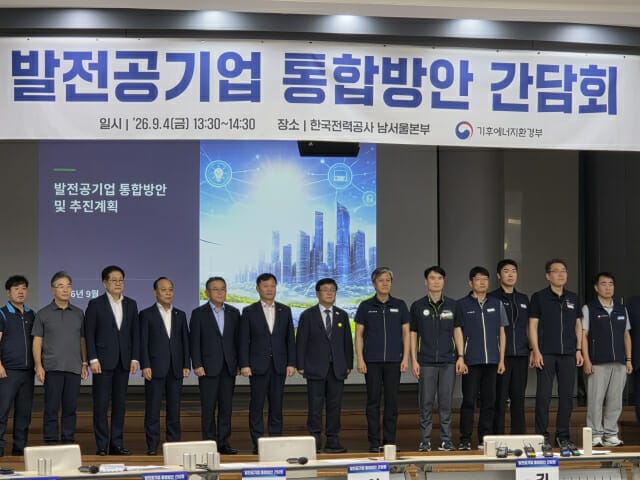
According to industry sources on September 8, 2026, the government plans to consolidate the Five Gencos into a single legal entity called Korea Power Corporation by 2028 to improve operational efficiency and unify energy transition policy. In response, local governments including Naju, Taean and Dangjin in South Chungcheong, Jinju in Gyeongsangnam-do, and Jung-gu in Ulsan have entered the competition, citing reasons such as preventing economic collapse in their regions, securing tax revenue, and preserving existing infrastructure.
Naju's Integrated Energy Ecosystem
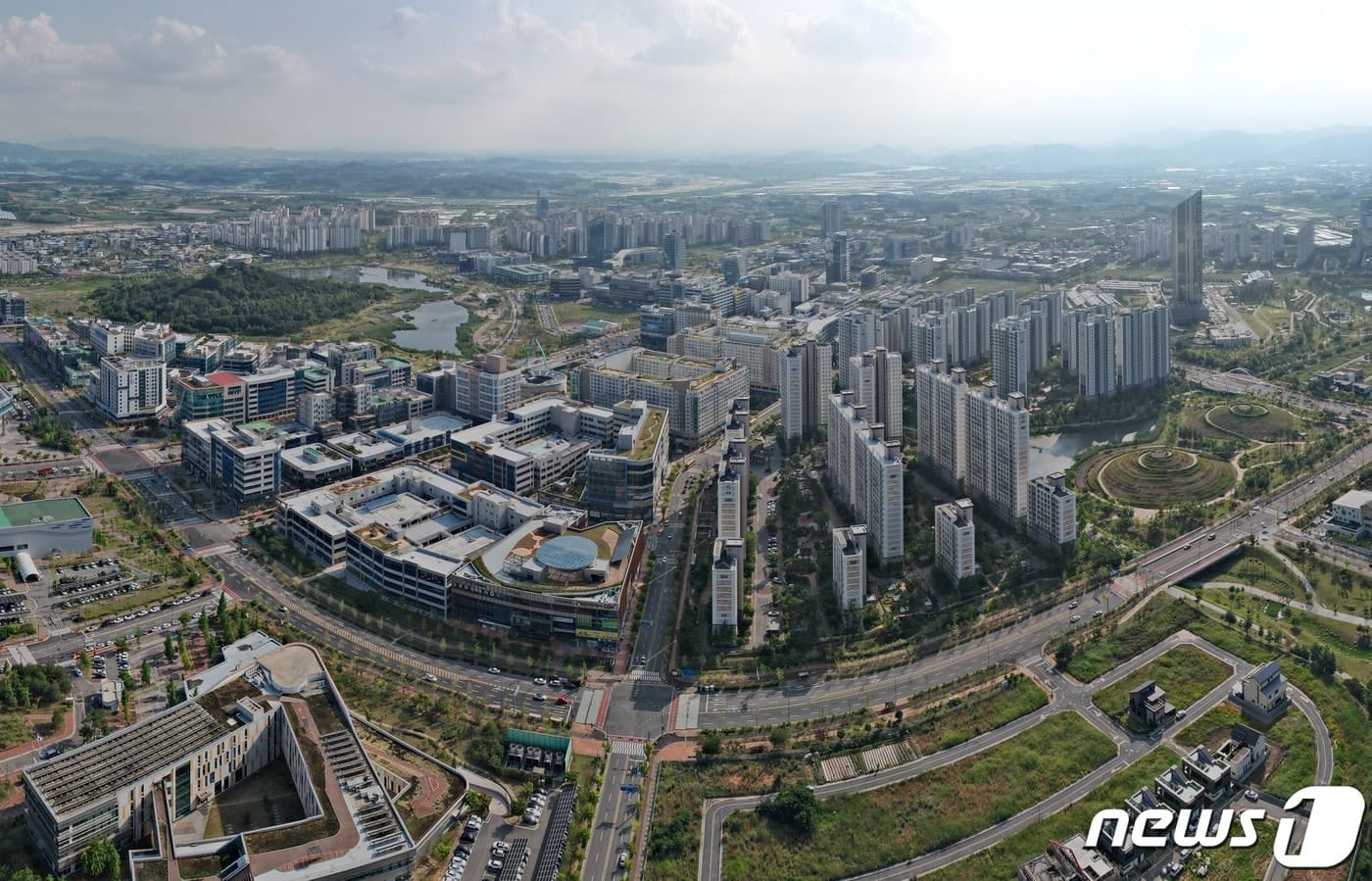
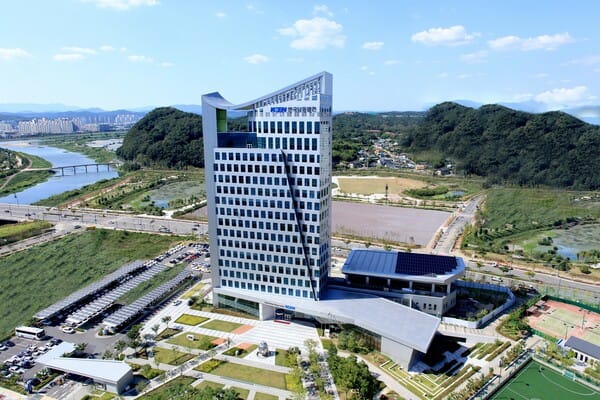
Naju has proposed the Gwangju-Jeollanam-do Joint Innovation City, known as Bitgaram Innovation City, as the optimal location to maximize efficiency in the national power industry.
The greatest strength of Bitgaram Innovation City is that the entire power industry cycle, from power generation through electricity trading, transmission and distribution, maintenance, and energy ICT, is concentrated in one location. Key public power institutions including Korea Electric Power Corporation, Korea Power Exchange, Korea Electric Power Data and Communications, and Korea Electric Power Service are densely clustered there.
If the integrated headquarters of the Five Gencos is established here, organic collaboration and swift decision-making on national energy issues such as power supply and demand, grid operations, and renewable energy expansion become possible.
The historical connection between KEPCO and the Five Gencos also plays a role. When the Electricity Industry Restructuring Promotion Act was enacted in 2000, KEPCO had to withdraw from all power generation operations. At the time, the government judged that separating KEPCO, which was too large, would improve efficiency in facility investment and operations.
Accordingly, in April 2001, the power generation division was separated into six Gencos including Korea South-East Power, Korea Midland Power, and Korea Hydro & Nuclear Power. In January 2011, five thermal power generation and pumped-storage operations were divided and merged into Korea Hydro & Nuclear Power.
Renewable Energy and Infrastructure Advantages
The abundant renewable energy ecosystem in the Jeollanam-do and Gwangju region is also attractive. Based on Jeollanam-do's solar and offshore wind resources, Naju hosts four major energy special zones including the Gangso Research and Development Special Zone, Korea Energy Engineering University, and approximately 700 energy valley companies, forming a solid industry-academia-research network.
Naju also has sufficient conditions for securing both new office space and immediately usable facilities. Seventy-seven vacant buildings in Bitgaram Innovation City can be immediately remodeled for use, and on 11 parcels totaling 97,368 square meters of undeveloped cluster land, new office buildings capable of accommodating approximately 9,000 employees can be constructed if a floor area ratio of 500 percent is applied.
Living conditions have also been continuously improved over more than a decade, and the innovation city has received the top award in coexistence evaluations for two consecutive years, establishing a stable foundation for settlement.
Naju Mayor Yun Byeong-tae said, "The integration of the Five Gencos is a national project that will bring about a major transformation in South Korea's power generation industry. Since Naju, where power infrastructure and companies and research institutions are concentrated, is the optimal location for the integrated headquarters, we strongly request the government's rational decision."
Original Korean article: news1.kr
English brief by Korea Wind Intelligence, koreawindintel.com