As the Renewable Portfolio Standard (RPS) sunsets in January 2027 and the market transitions entirely to long-term contracts, a forum was convened to discuss solutions for breaking through the "construction start cliff" in South Korea's offshore wind market and building a sustainable pricing and industrial ecosystem. The aim is to find common ground between resolving structural risks and securing public acceptance of electricity rates amid successive pressure to lower bidding price ceilings.
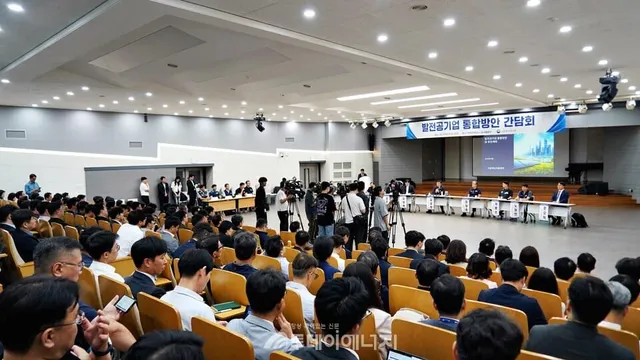
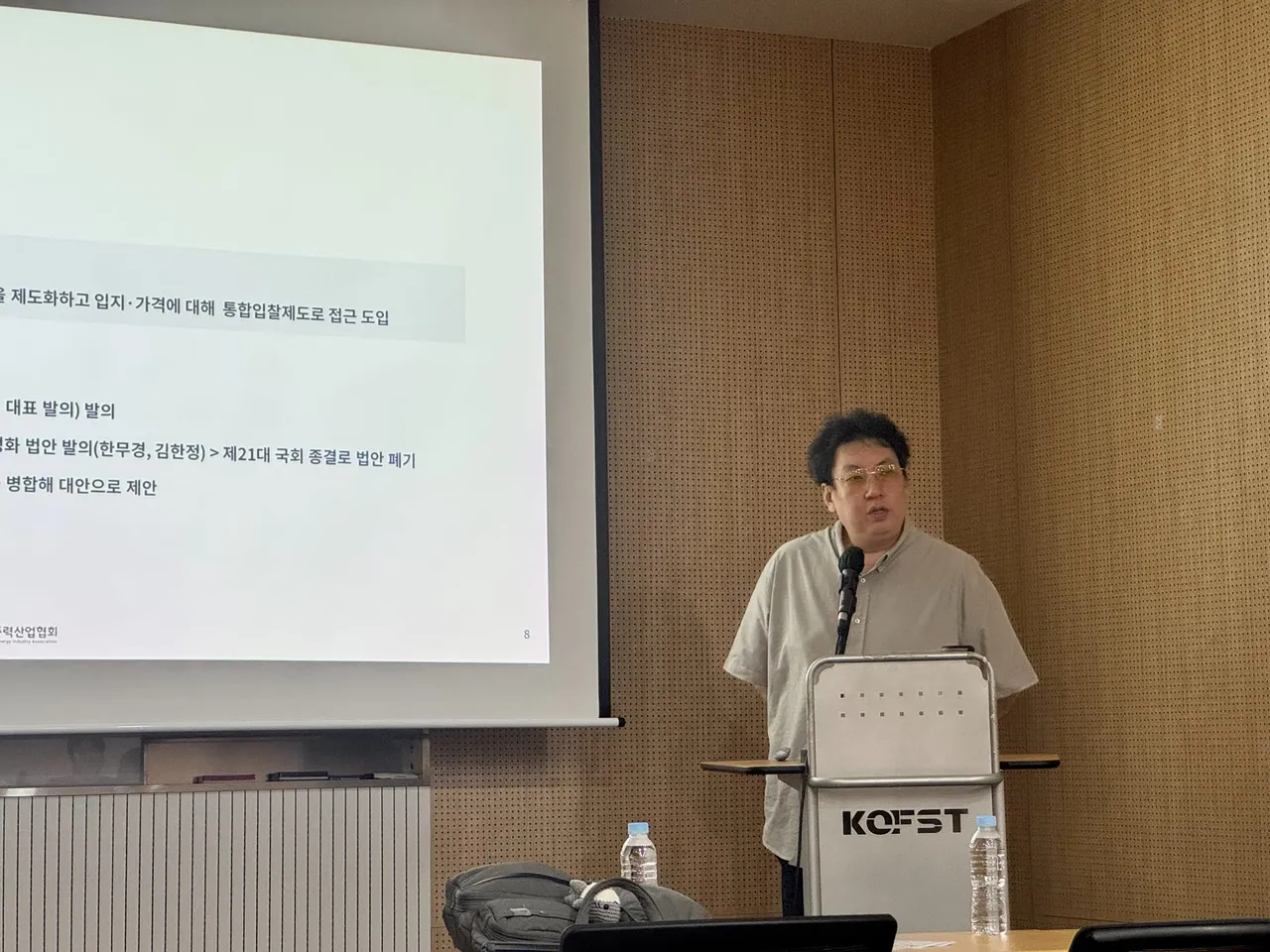
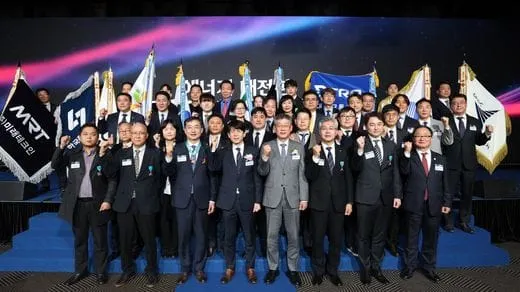
On November 24, Electric Times and the office of lawmaker Seo Wang-jin of the Cho Kuk Innovation Party held a National Assembly forum titled "2026 Offshore Wind Alliance (KODA) National Assembly Debate: Challenges and Future of Offshore Wind Developers Under POST-RPS" at the second seminar room of the National Assembly Members' Hall in Yeouido, Seoul. The debate featured in-depth discussion on resolving structural bottlenecks in permitting, grid connection and infrastructure; setting rational bidding price ceilings; and finding balance between fostering domestic supply chains and securing public acceptance.
David Taeseung Yoo, chair of the Offshore Wind Alliance and Korea representative of Ørsted, said: "Some people ask why we should pursue offshore wind when it is expensive. When South Korea introduced nuclear power in the 1970s, construction costs and technology fees were also higher than thermal power generation. At that time, facing the oil shock, it was a national investment decision made to secure stable power supply by considering long-term economic viability and energy security."
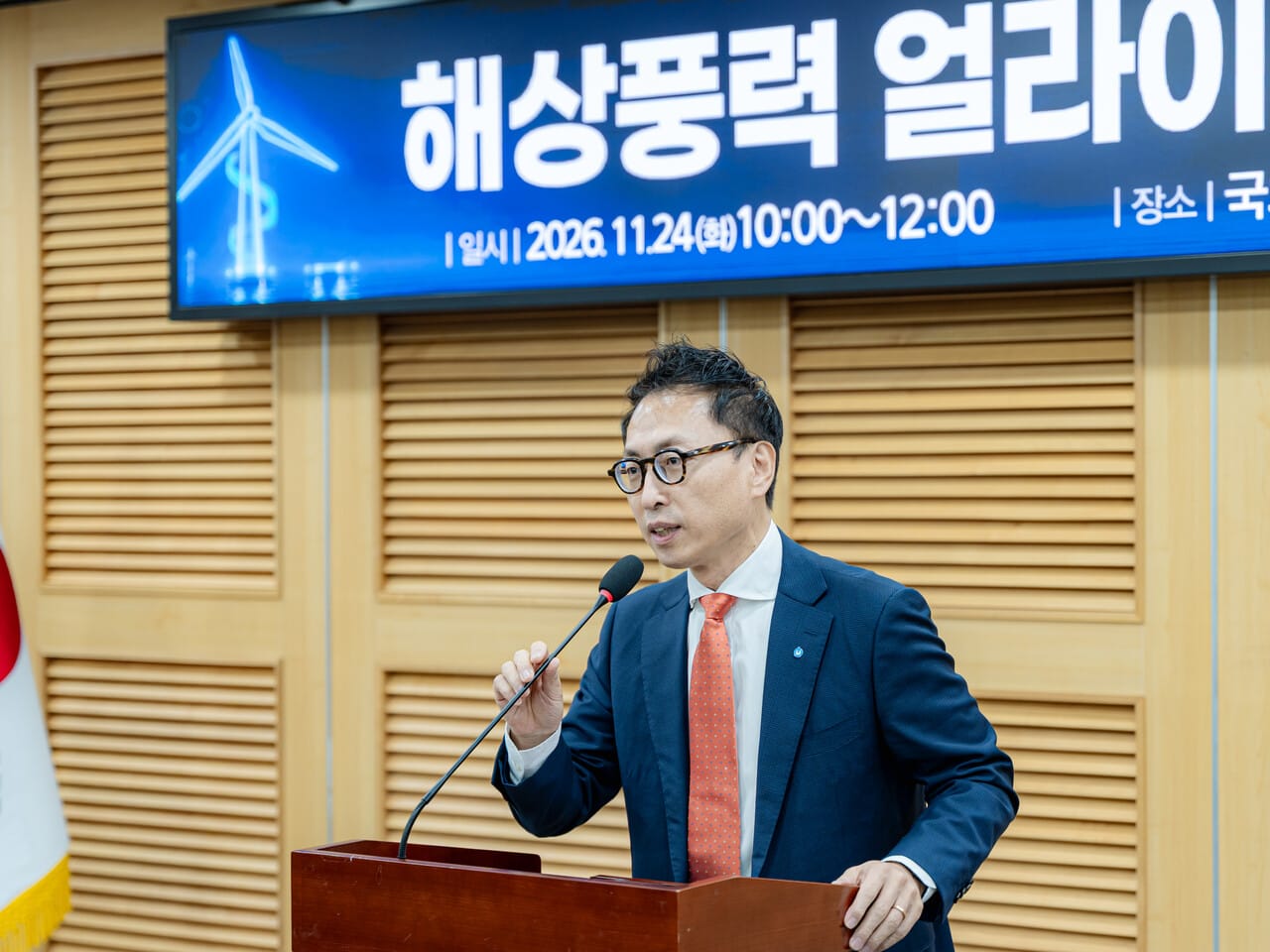
Yoo added: "We have achieved 1 trillion dollars in exports. Should we not now aim for 2 trillion dollars or more? International standards are rising, with the Carbon Border Adjustment Mechanism and RE100, and power demand from AI data centers is growing. Given our circumstances, it is difficult to meet renewable energy demand with solar alone, so strategic judgment is needed to expand offshore wind."
Lawmaker Seo Wang-jin of the Cho Kuk Innovation Party, member of the National Assembly's Climate, Energy, Environment and Labor Committee, said in his welcoming remarks: "In a situation where there is great uncertainty in the development process, including permitting, grid connection and securing community acceptance, simply lowering bidding prices does not reduce actual generation costs. In particular, reasonable transitional measures are needed so that developers who have spent a long time preparing projects under the existing RPS system do not suffer disadvantages during the system transition. Only when developers can invest with a long-term outlook can the government's offshore wind deployment targets be realized."