

Building a 10 billion won business on expertise in ESS and UPS
Expanding into new overseas markets with a focus on in-house construction and workforce development
An electrical contractor established in 2022 has surpassed 10 billion won in annual revenue in just four years. The company is K-Tech E&C, led by CEO Park Seon-bong, whose main businesses include installing energy storage system (ESS) batteries and data center uninterruptible power supply (UPS) batteries, as well as building solar power plants. Revenue exceeded 11 billion won last year, and its assessed construction capacity also surpassed 10 billion won. Park expects revenue to reach around 25 billion won this year.
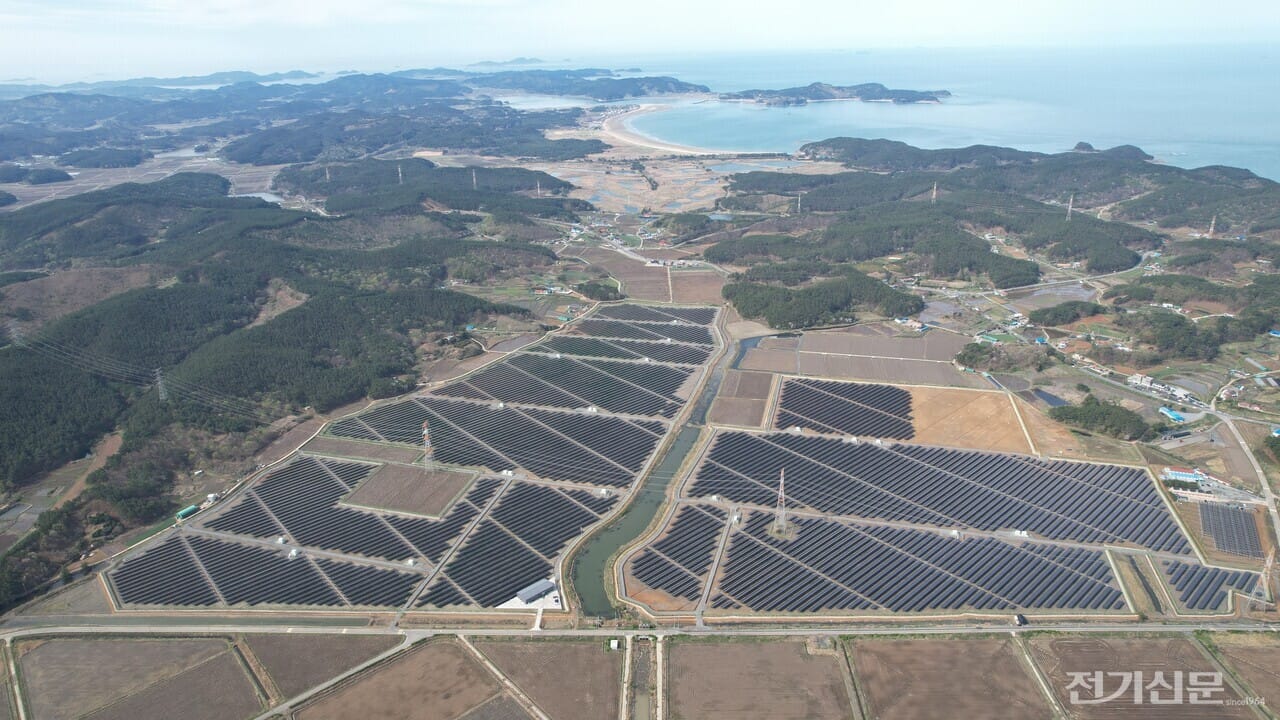
Despite its short operating history, the company has taken on substantial work. With major corporations among its customers, it participated last year in the construction of the 60 MW Haetdeulwon Solar power plant and completed solar construction projects of more than 10 MW this year. It has also expanded overseas this year, participating in solar and ESS construction work in Guam. These are fields that companies established only a few years ago cannot easily enter.
Asked about the reasons for the company's growth, Park pointed to experience gained on construction sites. Before founding the company, Park participated in various projects in emerging energy industries, including UPS batteries, from the early days of South Korea's data center industry. In particular, during the initial rollout of ESS in South Korea, Park took part in construction for major projects, including frequency regulation (FR) projects. Park also had strong sales capabilities in solar and floating solar, along with extensive experience managing construction sites.
“Before starting the company, I worked in emerging energy industries for a long time. Companies I worked with then reached out after I founded the business and provided a foundation for us to grow in a short period.”
That experience gave K-Tech E&C an early advantage in winning contracts. Skilled technicians who had worked together for years joined when the company was established, and the trust Park had built across various construction sites also helped. This enabled the company to undertake major projects immediately after its establishment.
“We were able to earn customers' trust because our team consists of people who have worked together in this field for a long time. The company is still young, but our employees are known as veterans in the industry.”
Park places as much importance on carrying out construction with the company's own workforce as on growth. K-Tech E&C employs a substantial share of its workforce, including site technicians, on a permanent basis. Although this creates fixed costs even when there is no work, the aim is to retain technical capabilities and quality expertise within the company. It also sets entry-level pay above the industry average and provides incentives to employees who obtain work-related qualifications.
“People say there are no young workers, but our company has many young employees.”
Park's management philosophy is that hiring people is not enough: they must be developed into skilled technicians. This also explains the emphasis on safety training and support and inspections for site-specific safety management. Park believes construction quality and safety can be secured when work is carried out directly by personnel with the necessary expertise.
Park identified reform of the bidding system, which emphasizes previous project experience and the employment of specialist personnel, as the first priority for developing the electrical construction industry. Even companies with actual construction capabilities struggle to enter a particular field without previous experience in it, Park argued, so new companies should be given opportunities to participate in the market while training technicians.
“The industry can grow only if opportunities are open to the entire electrical construction sector, rather than just established companies.”
K-Tech E&C is also seeking new opportunities for growth overseas. It plans to expand its construction of overseas power infrastructure based on its work in Guam.
“Major South Korean companies are also expanding extensively into overseas markets, including the United States, India and Southeast Asia,” Park said. “Electrical contractors must also become competitive and expand alongside them to increase added value.”
Original Korean article: Electric Times
English brief by Korea Wind Intelligence, koreawindintel.com

















