What This Story Is About
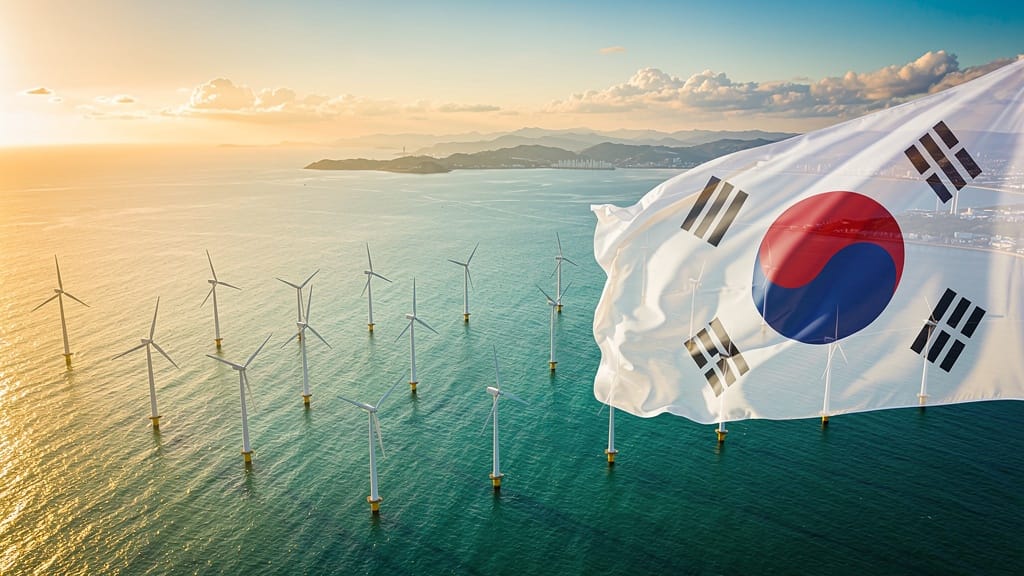
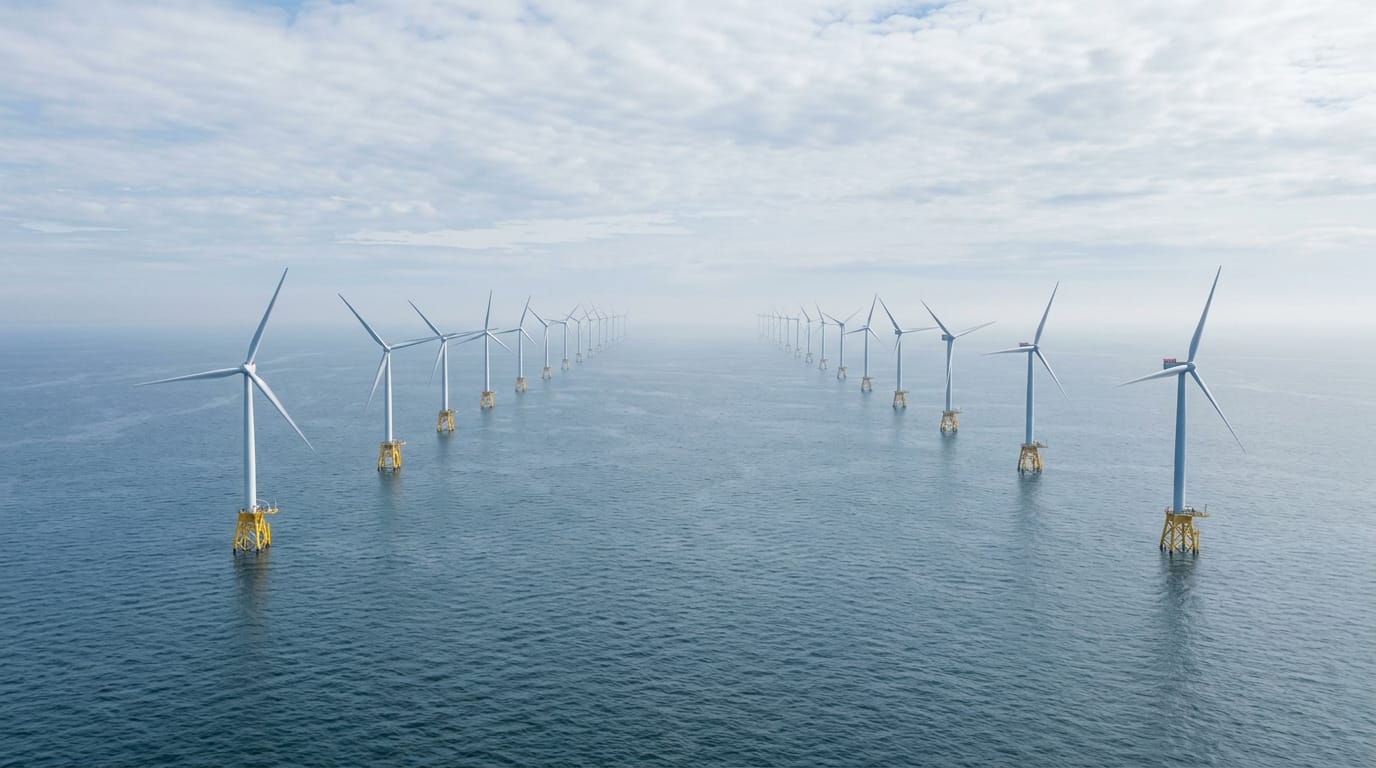
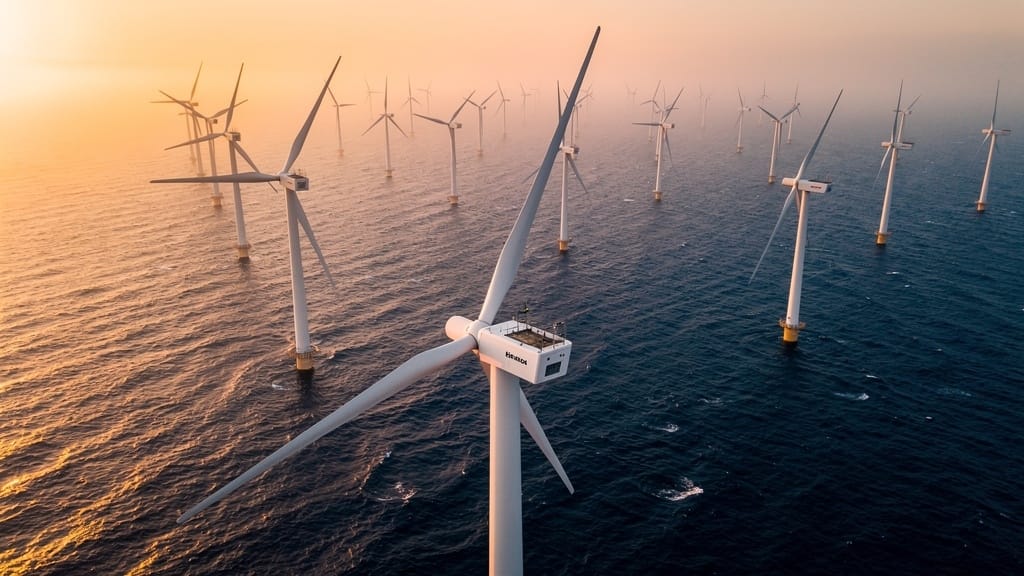
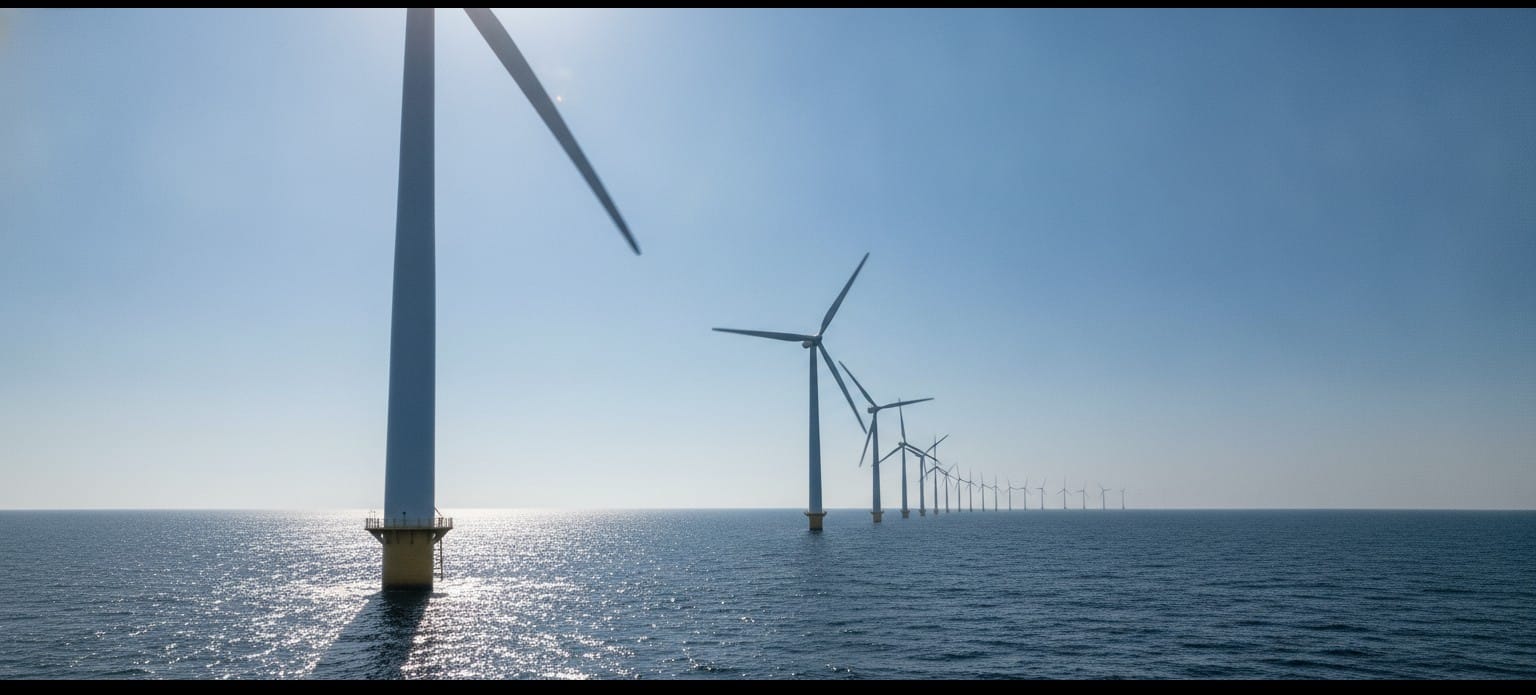
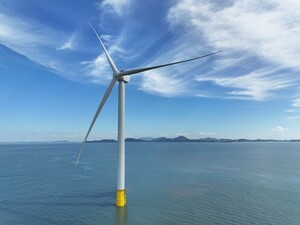
Jeonnam Province is actively advancing the development of a 2-gigawatt (GW) preliminary zone for offshore wind power, a strategic move coinciding with the anticipated implementation of Korea's Offshore Wind Special Law. This initiative is designed to identify and secure optimal locations for future large-scale offshore wind projects within its jurisdiction. The province expects this significant undertaking to catalyze local economic revitalization through job creation and industrial growth, while also playing a pivotal role in the nation's broader energy transition efforts. Initial tests and assessments related to the potential of offshore wind power in the designated areas are currently being conducted to inform the zone's finalization.
Read original article from: Today Energy
Background and Context
The promotion of a 2GW preliminary zone in Jeonnam Province directly aligns with the objectives of Korea's proposed Offshore Wind Special Law, a legislative effort aimed at overcoming persistent bottlenecks in project development. This Special Law, formally known as the "Special Act on Fostering Offshore Wind Power and Facilitating Related Regulations," originated from a recognized need to streamline the fragmented and often protracted permitting process. Currently, offshore wind projects in Korea require approvals from more than ten different ministries and numerous local governments, leading to significant delays and uncertainty for developers. The Special Law seeks to establish a 'one-stop shop' permitting system, thereby reducing administrative burdens and accelerating project timelines. It also aims to provide clearer guidelines for grid connection allocation, which has been another major challenge, and to mandate community benefit-sharing schemes to address concerns from local fishing communities and ensure social license for projects. Jeonnam Province, with its extensive coastline and high wind resources, has been a vocal advocate for such legislation, recognizing its potential to unlock large-scale renewable energy development and stimulate local industries. The law has undergone several rounds of discussion and revision in the National Assembly, reflecting the complex interplay between environmental protection, fisheries livelihoods, and national energy security goals. Its successful implementation is viewed as critical for Korea to achieve its ambitious offshore wind targets and attract necessary foreign investment.
Insight and Outlook
Jeonnam Province's proactive establishment of a 2GW preliminary zone under the Special Law signals a critical shift towards a more structured and predictable development pathway for offshore wind in Korea. For international developers and investors, this move offers greater clarity on potential project sites, reducing early-stage exploration risks and potentially accelerating project timelines once the Special Law takes full effect. However, significant challenges remain; the actual implementation details of the Special Law, particularly regarding the 'one-stop shop' permitting and compensation mechanisms for local fisheries, will dictate its true impact. Investors should closely monitor the legislative progress and the specific guidelines issued by MOTIE and other relevant ministries. Grid connection remains a systemic bottleneck, and the timely expansion of transmission infrastructure to accommodate 2GW projects in Jeonnam will be a crucial determinant of success. Furthermore, securing social license through effective community engagement and benefit-sharing models will be paramount for these large-scale developments to proceed without delays.
This brief is prepared for informational purposes only. It is based on publicly available sources and AI-assisted analysis. It does not constitute investment advice. Readers should conduct their own due diligence before making any decisions.