Original Korean article: Asia Economy
English brief by Korea Wind Intelligence, koreawindintel.com
South Korea's first privately led offshore wind farm
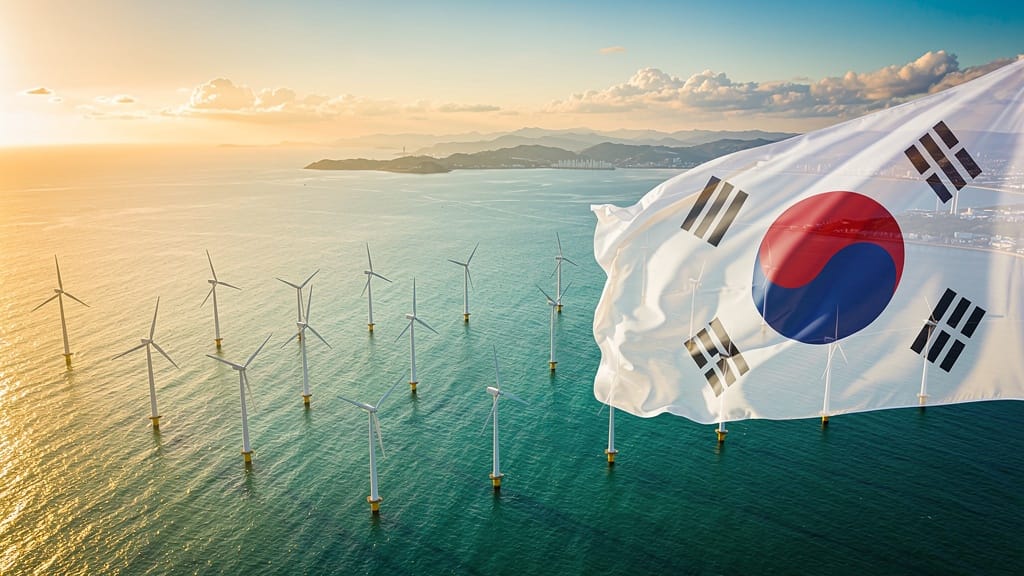
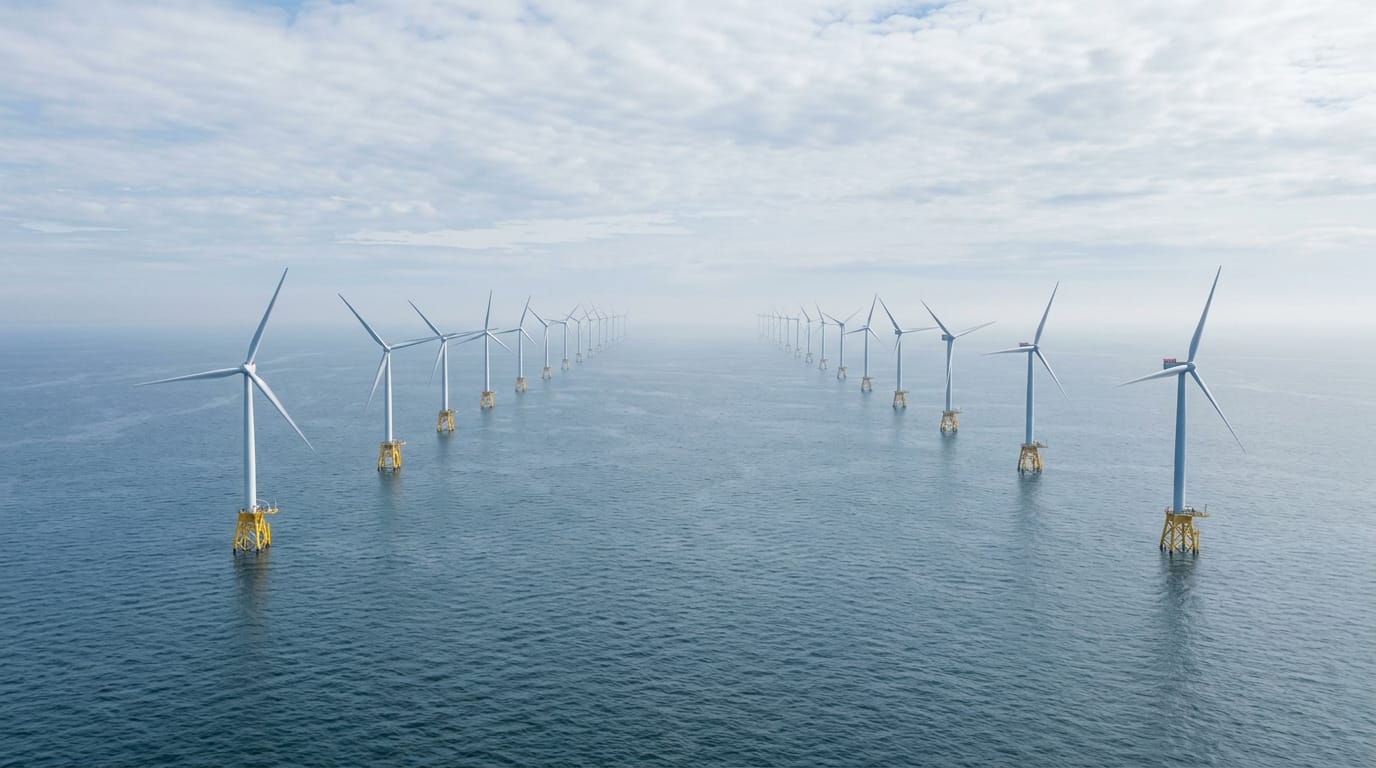
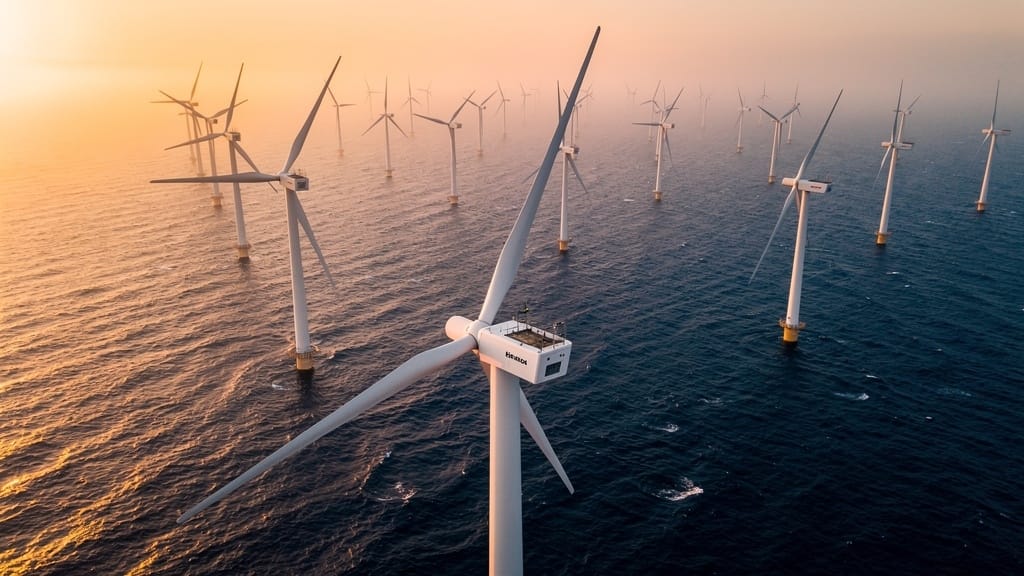
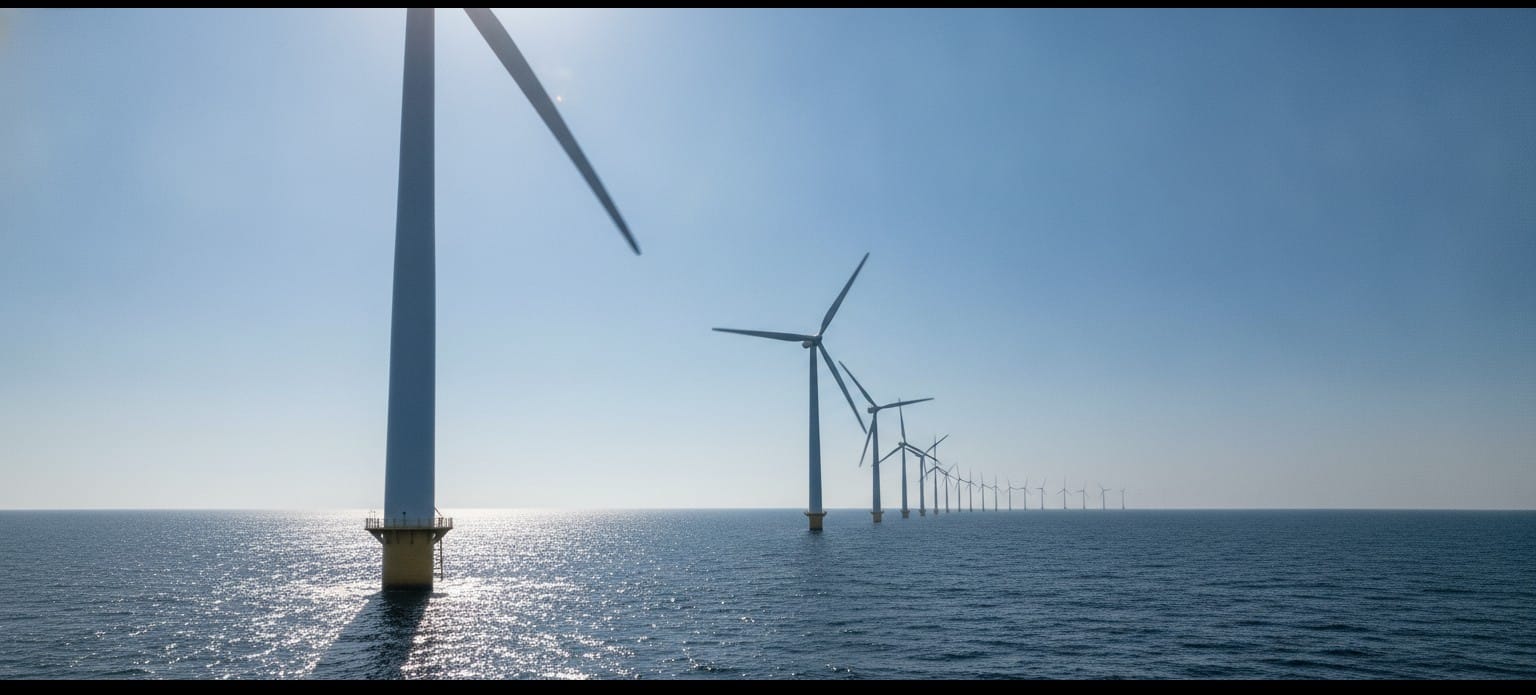
On the afternoon of the 9th, after a 50-minute boat ride from Jaeun-ri pier in Sinan County, Jeollanam-do, ten massive wind turbines were spinning powerfully in the wind. The height from the sea surface to the blade tip was 237 meters, comparable to the height of Seoul's 63 Building at 249 meters. These were the turbines of Jeonnam P1 - SK E&S Phase 1 offshore wind farm.
"Since commercial operation began last May and completion in December, we have been achieving a 97 percent capacity factor and a capacity utilization rate in the low 30 percent range," said Kim Jin-chul, CEO of Jeonnam P1 - SK E&S and executive vice president of SK Innovation E&S, explaining the situation aboard the vessel. The Jeonnam P1 - SK E&S Phase 1 project was funded by SK Innovation E&S and Copenhagen Infrastructure Partners (CIP) in a 51 to 49 ratio. The reporter visited the offshore wind farm nine months after its completion, accompanied by the Korea Wind Energy Industry Association.
First 10 MW-class turbines and pioneering financing
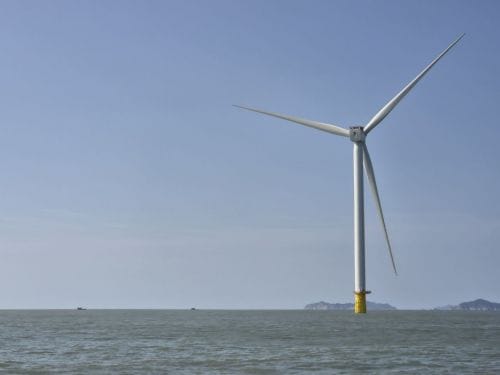
Built approximately 90 kilometers offshore from Jaeun Island in Sinan County, Jeonnam P1 - SK E&S Phase 1 is equipped with ten 9.6 megawatt turbines from Siemens Gamesa. These were the first 10 MW-class offshore wind turbines installed in South Korea. Beyond this, Jeonnam P1 - SK E&S holds several other "first in Korea" titles. Kim explained that the company "conducted project financing for the first time in Korea using a non-recourse structure aligned with global standards, and was the first to be constructed using the monopile method."