Original Korean article: Incheon Today
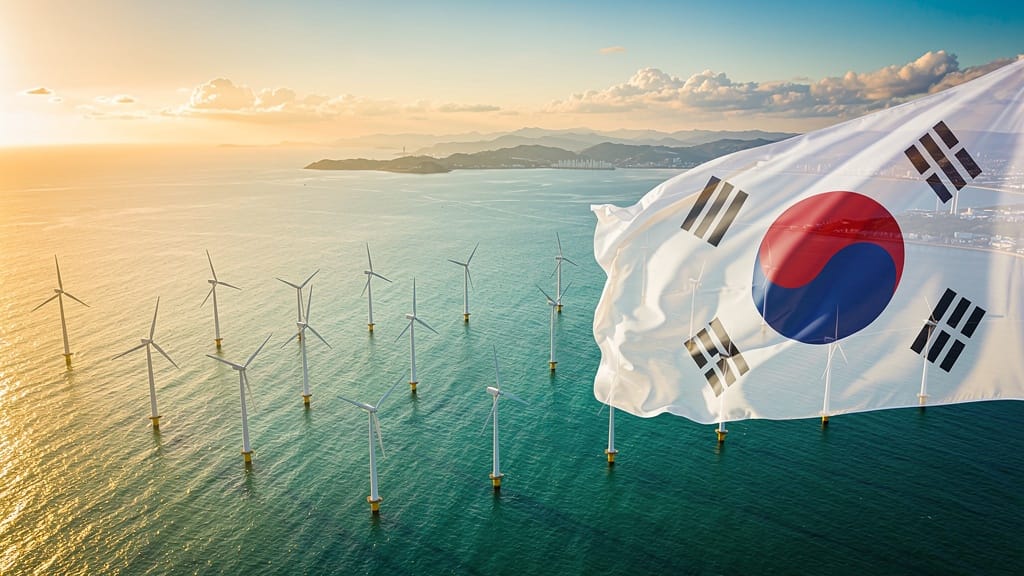
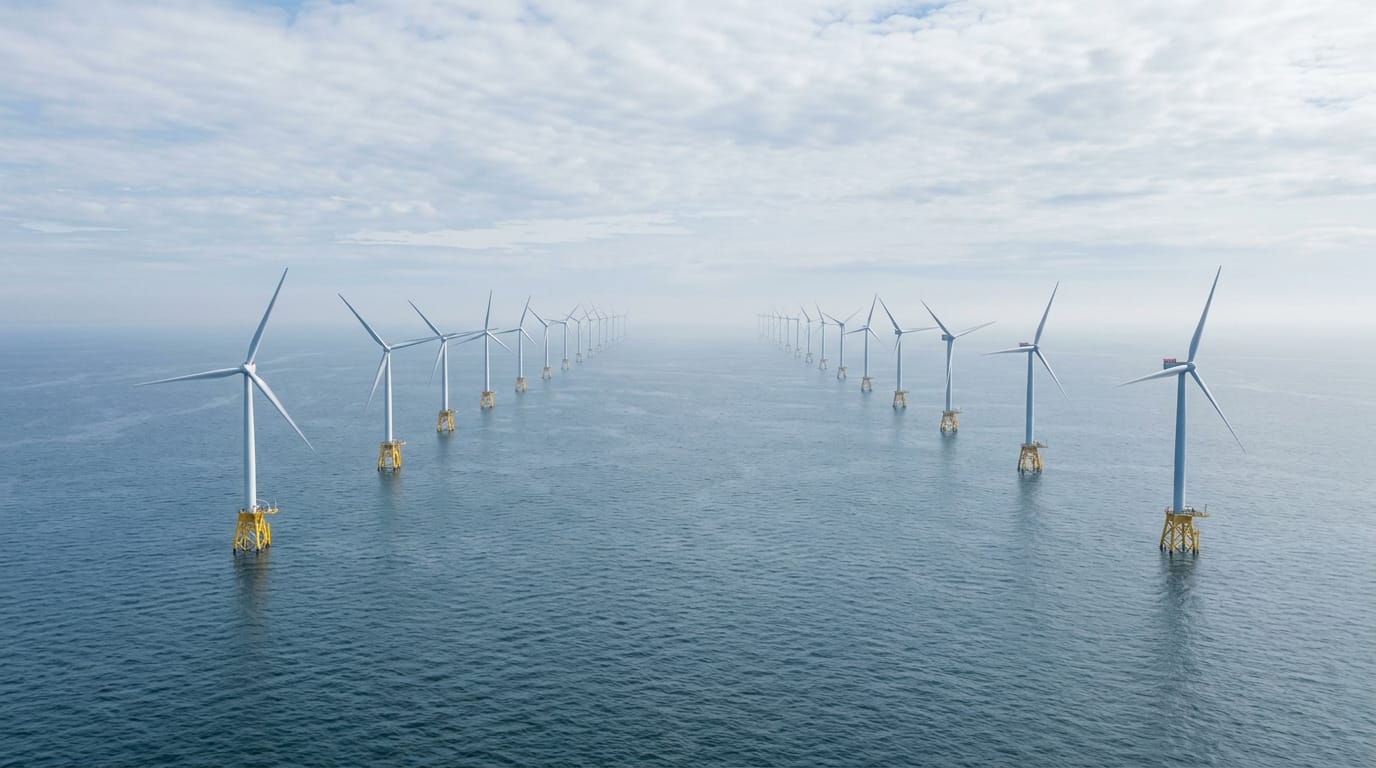
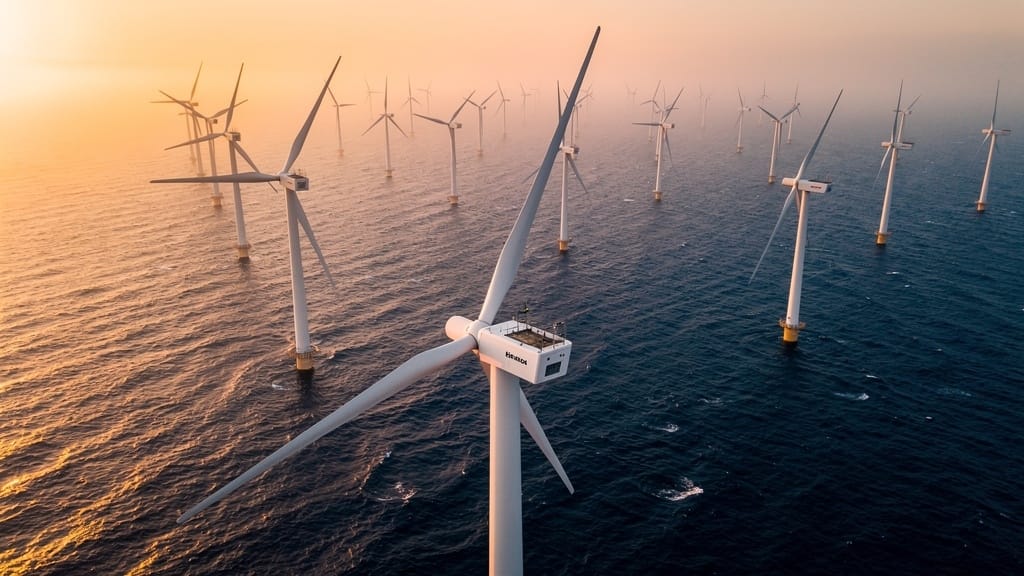
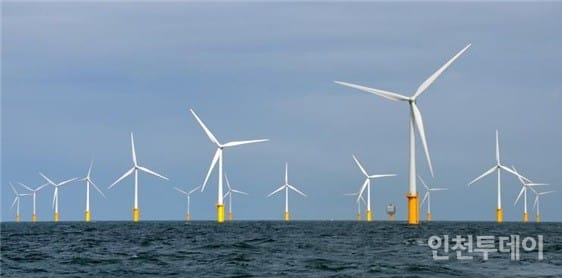
The waters off Incheon, identified as a key hub for carbon neutrality and the transition to renewable energy, have become a major testing ground. Large-scale offshore wind power projects with a total installed capacity exceeding 7 gigawatts are being pursued. However, conflicts and limitations emerging in the implementation process have exceeded dangerous levels. Incheon Today examines the core issues in Incheon's offshore wind initiative and seeks alternatives for coexistence between renewable energy transition and local communities.
A golden fishing ground producing 70% of domestic blue crabs, half already in project zones
The West Sea Specific Sea Area off Incheon is a golden fishing ground producing over 70% of domestic blue crabs. It is also a specially managed sea area of approximately 12,000 square kilometers established to prevent the straying or capture of Korean fishing vessels and strengthen security near the Northern Limit Line in the West Sea. Offshore wind power projects have already entered or are preparing to enter nearly half of this fishing ground.
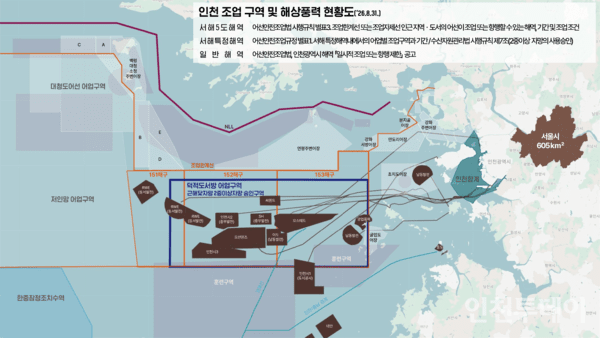
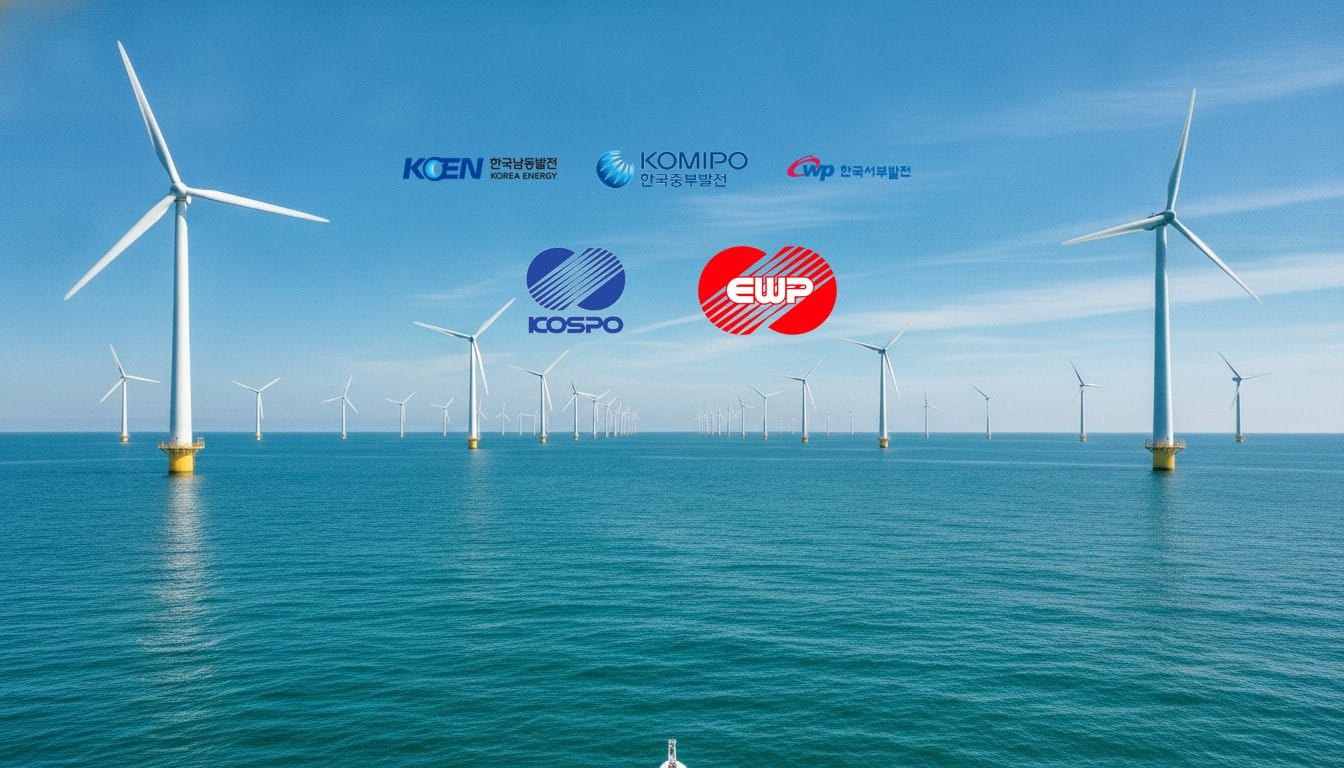
The West Sea Specific Sea Area is divided into sectors 151, 152, and 153. In sector 153 near Deokjeok-do, Ørsted, the world's leading offshore wind multinational (1,470 megawatts), Korea South-East Power, a KEPCO subsidiary (320 megawatts), and Gulup Wind Development, a special purpose vehicle involving CJ Group affiliate C&I Leisure Industry, SK E&C, and Daewoo E&C (256 megawatts), have each received permits and are proceeding with projects. Combined, these three projects total 2,046 megawatts.
Furthermore, in sectors 151 and 152 to the west of sector 153, eight private developers have received permits for public water surface use and are installing wind measurement devices and conducting marine environmental surveys.
In sector 152, Ocean Winds, a joint venture between France's ENGIE and Portugal's EDPR, has received a permit for a 1,200-megawatt power generation project. Korea East-West Power, which took over from RWE, is promoting the Incheon Haneul Wind Offshore Wind Power Project (2,000 megawatts), with planned sites in sectors 151 and 152. Located 51 to 66 kilometers south of Socheon-do in Ongjin County, Incheon, the project submitted an application for a power generation permit to the Ministry of Climate, Energy and Environment's Electricity Regulatory Commission last month and plans to obtain the permit by November and begin construction in 2031.
Sectors 151 and 152 are core blue crab fishing grounds for fishing communities including the Incheon Gillnet Association. Incheon City applied for publicly led offshore wind development only in sector 153, excluding sectors 151 and 152, to reflect fishermen's opinions. However, as Ocean Winds and the Haneul Wind project have entered these two sectors in succession, the agreement that fishermen had magnanimously accepted for sector 153 alone last year is now wavering.
Fixed-bottom gillnet gear structurally incompatible with offshore wind and cables
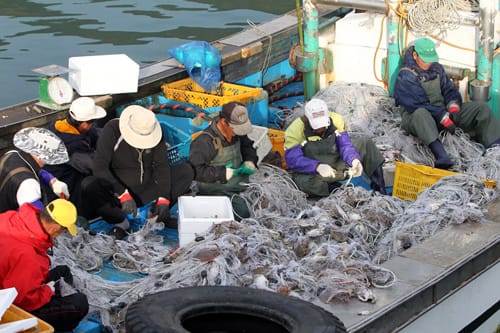
The representative method for catching blue crabs in the West Sea Specific Sea Area is nearshore fixed-bottom gillnet fishing. In particular, nearshore fixed-bottom gillnet approval zones with double or more nets (70-ton class) operate throughout sectors 151, 152, and 153. This gear works by dropping two massive anchors on the seabed and fixing nets between them. Installed according to current direction (north-south), the nets are 500 to 800 meters long, anchor lines are 800 to 1,200 meters long, anchor weight is 1.5 tons, and height is approximately 6 meters. Buoys are spaced 25 to 50 meters apart.
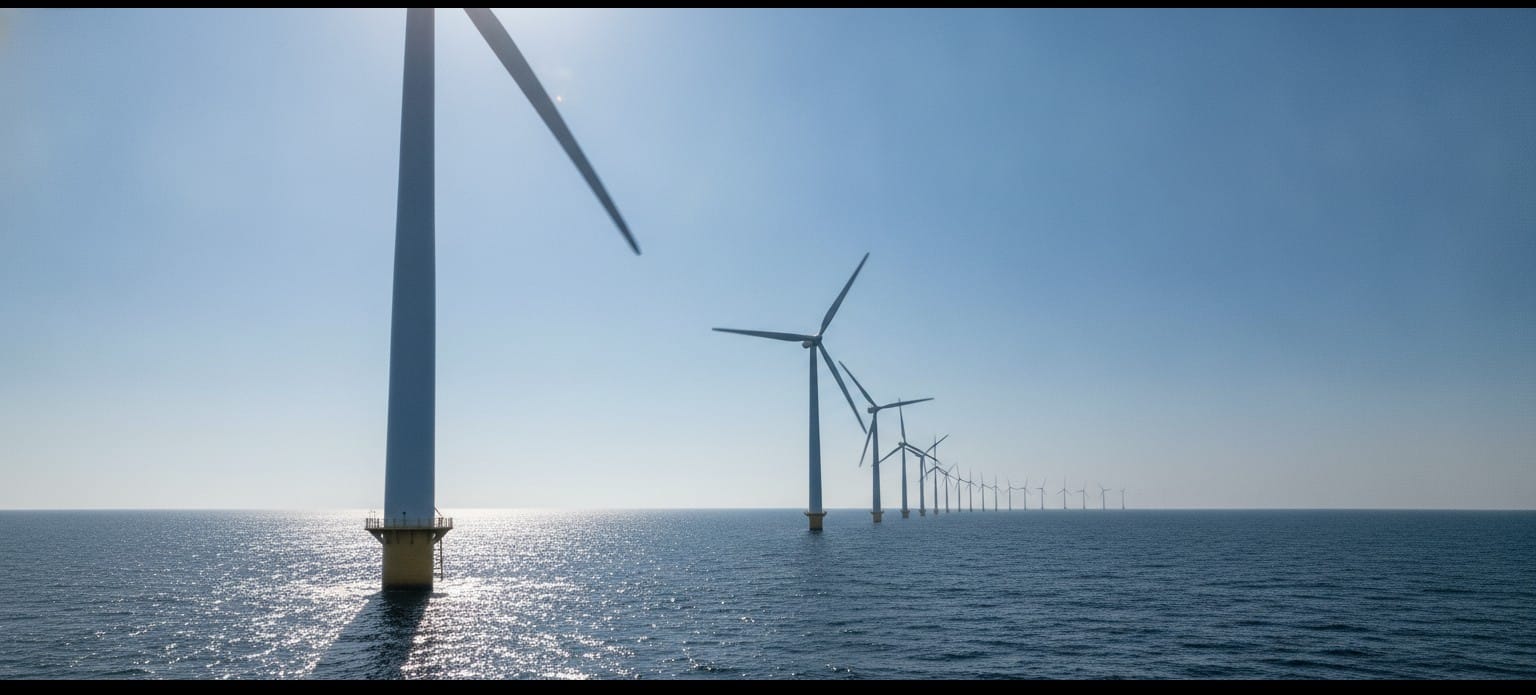
Such large fixed-bottom fishing gear cannot practically operate within offshore wind farms where subsea cables are laid and turbine foundations are densely installed. According to these organizations, without institutional binding force guaranteeing alternative fishing grounds and fishing rights, the establishment of public and private offshore wind farms in sectors 151 and 152 is impossible.
The Incheon Gillnet Association and other fishing organizations operating in the West Sea Specific Sea Area have formally conveyed to Incheon City's Public-Private Council and the National Federation of Fisheries Cooperatives their position that if offshore wind farms (including cables) are installed in the Deokjeok-do west fishing area (blue crab total allowable catch legal fishing ground), fixed-bottom gillnet fishing gear cannot coexist and fishing operations themselves become impossible.
Cable issues extend beyond the West Sea Specific Sea Area. Fishermen point out that in Incheon's general sea areas, transmission cables connecting Songdo, Yeongheung-do, and Yeongheung-do could be damaged during fishing operations, and that responsibility determination and countermeasures have not been established.
Individual approaches to obtain consent, internal divisions within fishing communities
Among developers in sectors 151 and 152, Ocean Winds was the first to experience escalating conflict. Ocean Winds subsidiary Hanbando-1, 2, 3 held a public briefing on the environmental impact assessment draft on April 15 at Songdo Convensia, where fishermen and Songdo residents expressed strong opposition. The Incheon Maritime and Fisheries Administration conditionally approved Ocean Winds' geotechnical survey despite opposition from fishing organizations.
The basis was consent documents individually submitted by some fishermen belonging to fishing organizations that had filed objections. The problem arose when suspicions emerged that these fishermen had received compensation from Ocean Winds in exchange for consent, resulting in their expulsion from their fishing organizations.
Park Deok-shin, chairman of the Incheon Gillnet Association, criticized the developer for approaching individual fishermen, securing project consent backed by compensation, and creating distrust and conflict among fishermen. In June, the Incheon Gillnet Association, West Sea Ongjin Fishing Cooperative, and Sorae Fishing Village Community formally requested that Incheon City hold a public hearing on the Hanbando environmental impact assessment draft, with opposition spreading beyond fishermen to the broader regional fishing industry.
Controversy also surrounds Korea East-West Power and RWE. The Incheon Gillnet Association states that while RWE's headquarters discontinued investment in early-stage domestic projects following an expanded offshore wind investment strategy in Europe, the company is forcibly proceeding with the Incheon project by applying for a power generation permit under Korea East-West Power's name and taking the lead in licensing and project development.
According to this organization, RWE appointed a nominal figurehead, retaining ownership of wind data while providing only non-exclusive offshore data to Korea East-West Power before receiving the power generation permit. The organization notes that since the initial wind measurement device permit was approved in November 2019 in the West Sea Specific Sea Area, there have been many problems including unilateral project promotion by developers, dissemination of distorted information, irregularities and circumvention of procedures, deception of residents, and creation of conflict between island residents and Incheon fishermen.
Total allowable catch down 42%, fishermen already on the brink before offshore wind adds pressure
The offshore wind conflict is a double blow to Incheon fishermen already pushed to the brink. The government introduced a total allowable catch system as a pilot near Yeonpyeong-do in 2002 under the pretext of protecting blue crab resources, expanding it to the West Sea Specific Sea Area the following year.
At that time, Incheon accounted for 70% of the nation's blue crab catch, but was overtaken by South Chungcheong Province from 2011 onward. Comparing catches between 2003 and last year, Incheon remained flat at 106.7% while South Chungcheong increased 548.3%, North Jeolla 1,717.8%, and South Jeolla 1,009.1%. Only fishermen in general sea areas not subject to total allowable catch restrictions benefited.
To make matters worse, this year the West Sea Specific Sea Area blue crab total allowable catch was reduced from 6,702 tons in 2024 to 3,891 tons last year, a 41.9% decrease. The average allocation per fishing vessel is 9.98 tons, the lowest since the system's introduction. Of 285 fishing vessels allocated total allowable catch in this fishing ground, 93.7% (267 vessels) are Incheon-registered. In this situation, if offshore wind farms further encroach on fishing grounds, fishermen whose catch has already been halved by total allowable catch restrictions will lose even more fishing areas.
Fishermen and island residents resist indiscriminate sea encroachment
Fishing organizations including the Incheon Gillnet Association accepted offshore wind development in sector 153 alone (approximately 62% of Seoul's 605 square kilometers) on a magnanimous basis last year. They maintain that no further offshore wind development can be accepted to enable coexistence between blue crab fishing grounds and offshore wind farms within the specific sea area.
Accordingly, organizations including the Five West Sea Islands Future Coexistence Residents Alliance, Incheon Gillnet Association, West Sea Ongjin Fishing Cooperative, and Sorae Fishing Village Community signed a Mutual Cooperation Agreement on Offshore Wind Development in the West Sea Specific Sea Area on July 27, and agreed to jointly respond to protect both the fishing rights of fishermen in the legal blue crab fishing ground and the mobility rights of Five West Sea Islands residents in emergencies. On the 13th of last month, the Incheon Offshore Wind Coexistence and Mutual Prosperity Citizens Initiative Committee issued a statement and was launched.
Few voices dispute the direction of climate crisis response and carbon neutrality. However, the key question is how to pursue renewable energy transition while protecting the fishing ground that has produced 70% of domestic blue crabs and the livelihoods of fishermen already pushed to the brink by total allowable catch restrictions.