

Solar generation and battery storage
Honda Malaysia has commissioned a 5.6 MW solar installation and a 5.8 MWh battery energy storage system (BESS) at its Melaka factory. Electricity generated during the day is used through the evening production shift to reduce both electricity costs and carbon emissions.
The installation consists of about 8,960 solar panels and began operating in April 2026 after six months of construction. It generated 592 MWh during August, reducing emissions by the equivalent of 364 tonnes of carbon dioxide.
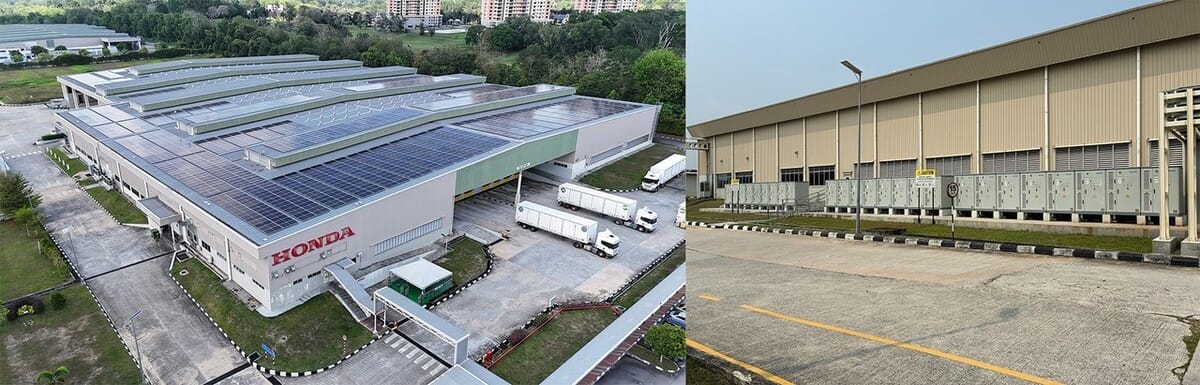
The expected annual reduction is 4,584 tonnes, equivalent to about 10% of the Melaka factory's total carbon dioxide emissions. Honda stores surplus daytime electricity in the BESS to reduce maximum-demand electricity charges applicable from 2 p.m. to 10 p.m.
The project team said the storage system could reduce maximum-demand charges by 20% to 30% while supplying electricity to the second, evening shift. Under Malaysia's solar self-consumption scheme, surplus electricity cannot be sold to the utility, making storage efficiency a determining factor in project viability.
System planning and further projects
When sizing the installation, the team calculated even the factory's minimum electricity consumption on non-operating days to establish the maximum generation that could be consumed on site. The addition of BESS to the application requirements for GITA, an environmental investment tax incentive, and changes to fire safety guidelines required specifications, costs and schedules to be reviewed and approved again.
The solar installation proposal originated in Waigaya, Honda's culture of open discussion. Engineering, finance, purchasing and legal staff jointly reviewed rooftop solar exposure and structural strength, shadows from chimneys and exhaust facilities, and future building plans.
The team also considered wind power but chose solar based on year-round sunshine and site characteristics. After visiting other companies' factories to examine equipment and operating methods, the team selected a configuration suited to conditions at the site.
Honda Malaysia also operates programs to recycle sludge containing metal hydroxides and collect used cooking oil and electronics from households. It plans to expand its solar initiative to its parts distribution warehouse in Shah Alam, Selangor, in 2027.
Original Korean article: autotribune.co.kr
English brief by Korea Wind Intelligence, koreawindintel.com

















