GS Entech supplies 37 monopiles for Taean offshore wind project
GS Entech, a subsidiary of GS Global, has secured a contract to supply 37 monopiles for the 504 MW Taean offshore wind farm being developed off South Korea's coast by Vena Energy, Copenhagen Infrastructure Partners (CIP), and Korea Western Power (KOWEPO).
GS Entech, a subsidiary of GS Global, will supply 37 monopiles to the 504 megawatt Taean offshore wind farm being developed off the coast of South Chungcheong Province. GS Entech recently completed factory expansion and has increased its annual production capacity to 150,000 tons, positioning itself to respond to large-scale offshore wind project orders.
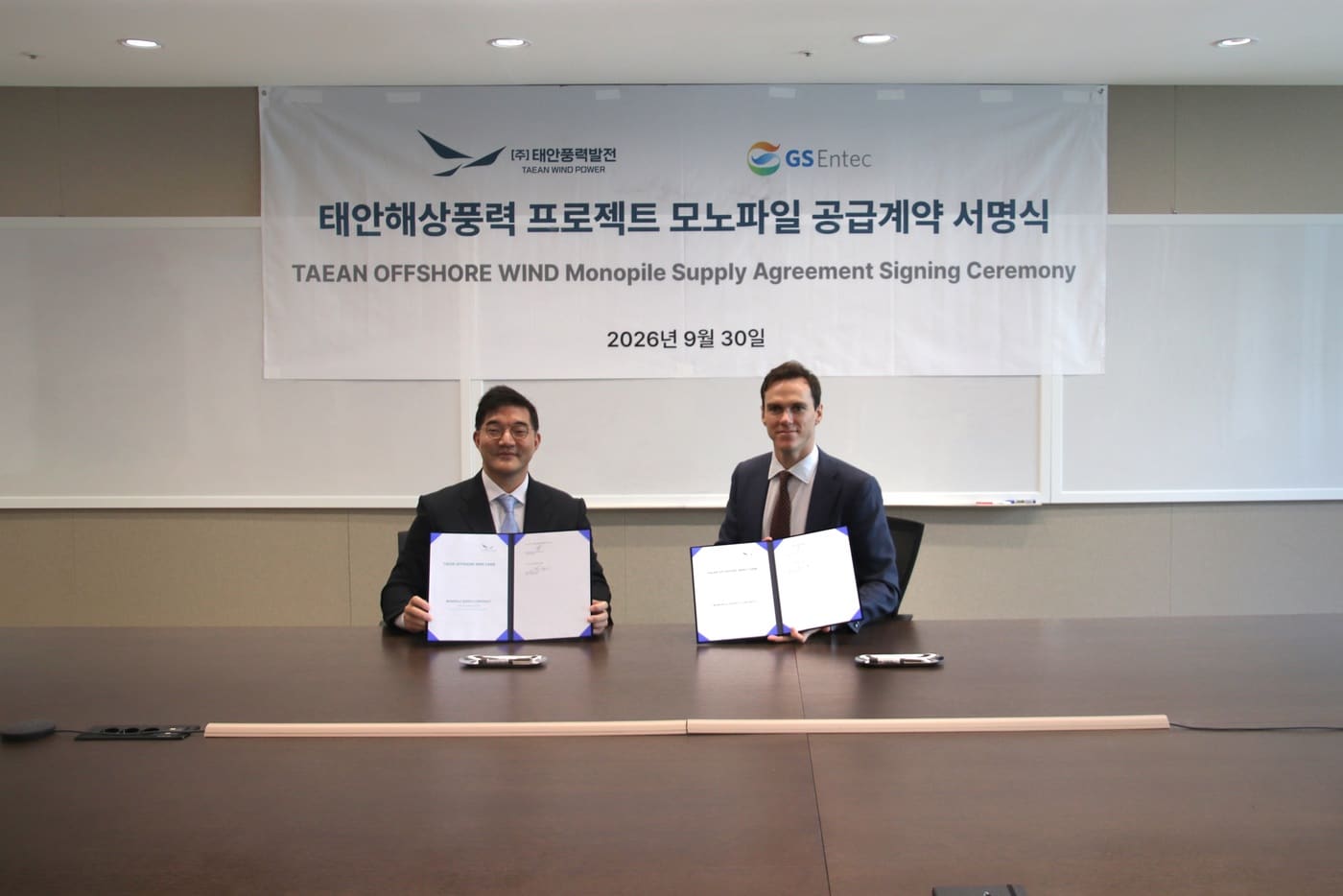
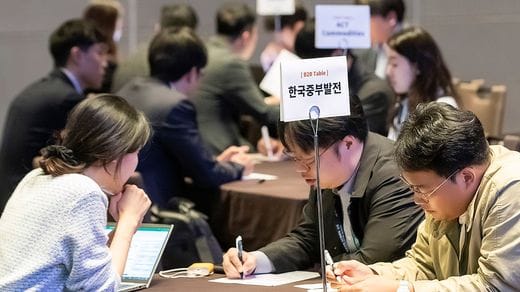
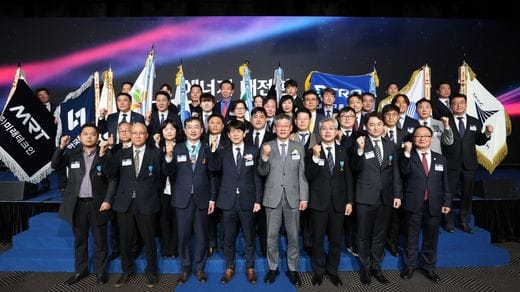
GS Entech announced on September 30, 2026 that it has signed a contract to supply 37 monopiles for use in the Taean offshore wind power project at the headquarters of Taean Wind Power in Seoul. GS Entech will begin manufacturing from July 2027 and plans to deliver the monopiles sequentially through August 2028.
Monopiles are substructures of offshore wind turbines made by welding large steel plates into a cylindrical form, and they support the wind turbine and tower. The Taean offshore wind farm is being pursued with a target construction start in 2028 and completion in 2030.
Project partners and expected output
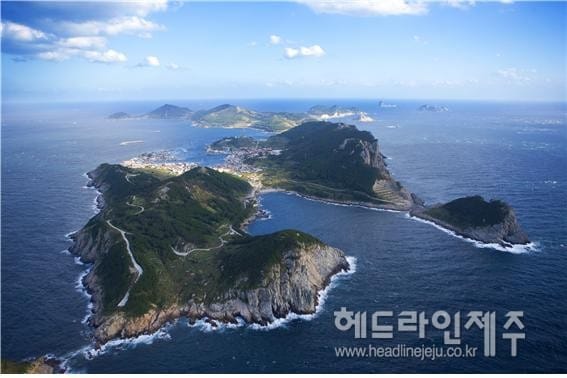
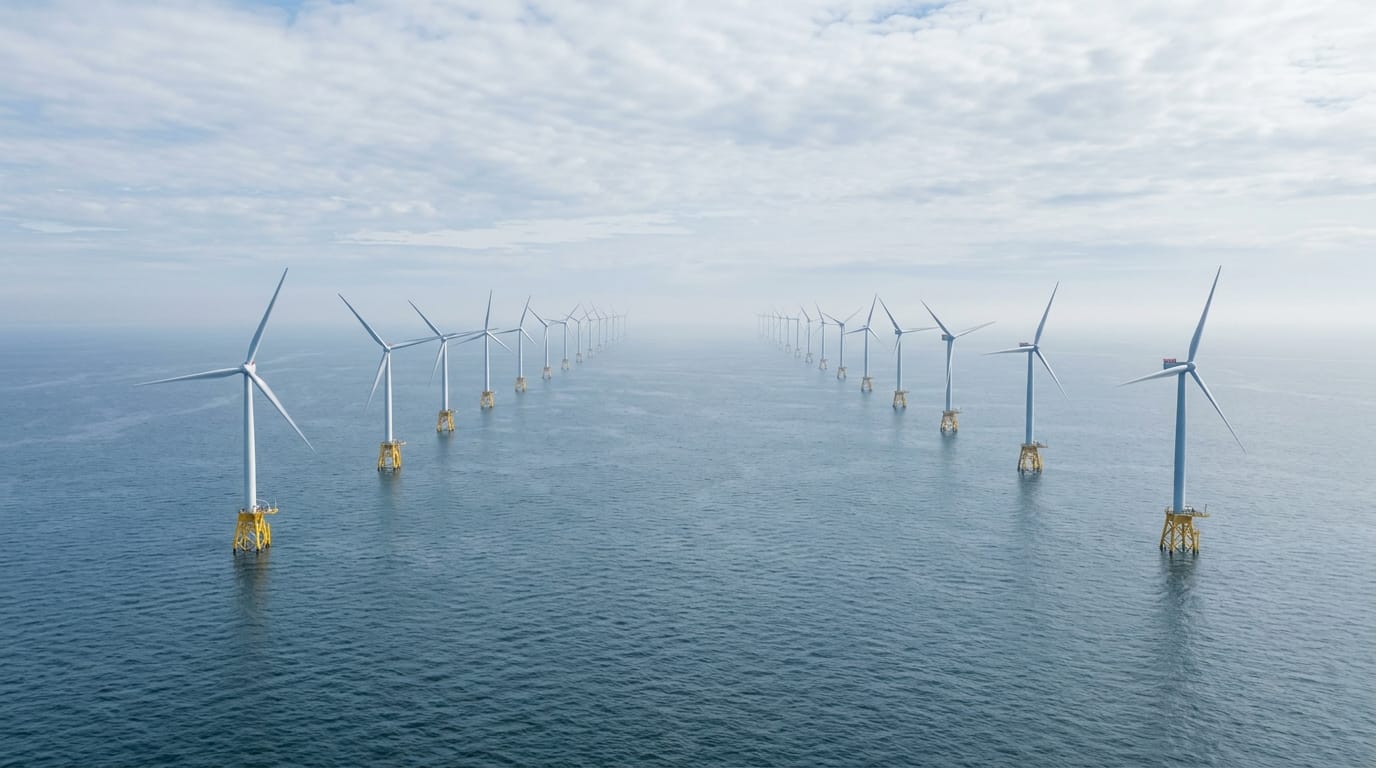
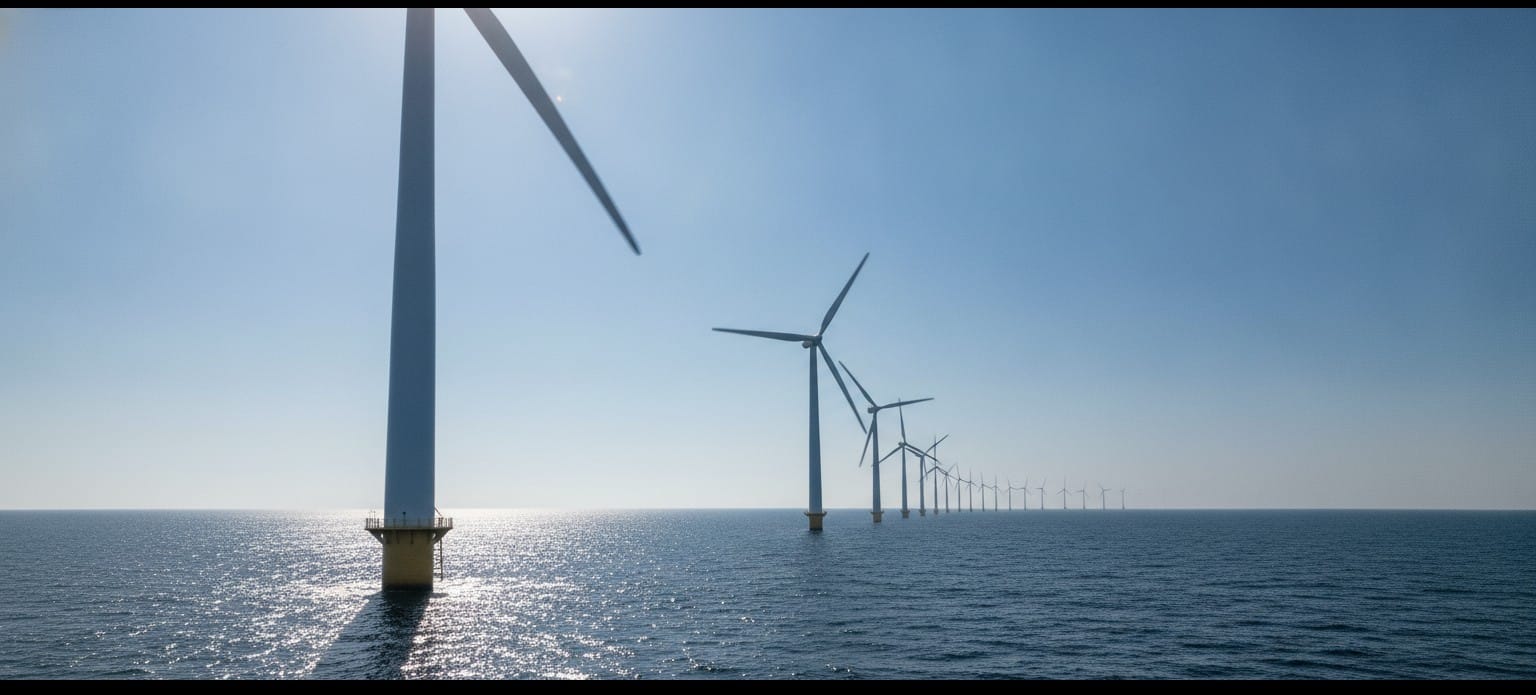
GS Entech will supply 37 monopiles for the 504MW Taean Offshore Wind Farm being built off the coast of Chungcheongnam-do. · Photo: News1
The project is being jointly developed by Singapore-based renewable energy developer Vena Energy, Denmark-based Copenhagen Infrastructure Partners (CIP), and KOWEPO (Korea Western Power). Upon completion, the project is expected to produce enough electricity to power approximately 300,000 households for one year.
Expanded production capacity
Ahead of this order, GS Entech expanded its production capacity for offshore wind substructures. After completing factory expansion involving approximately 300 billion won in investment, the company has increased its annual production capacity more than threefold, from the previous 40,000 tons to 150,000 tons.
Based on its expanded production capacity, GS Entech plans to pursue additional orders for domestic offshore wind projects while expanding its business into the Asia-Pacific market, including Japan.
A GS Entech official said, "Following the successful execution of the Yeonggwang Nagwol project, we have secured consecutive orders including the Taean offshore wind project, once again proving our capabilities in large-scale monopile manufacturing and supply to the market. We will expand additional orders in the domestic and international offshore wind substructure market based on our accumulated technology and expanded production capacity."
GS Entech, established in 1988, has primarily focused on manufacturing large chemical equipment for refineries and petrochemical plants. In 2022, the company entered the monopile business, a key offshore wind substructure, by establishing a strategic partnership with Netherlands-based Sif.
Korea's government is developing a major semiconductor cluster in the southwest region, with offshore wind projects positioned as a critical clean power source.
South Korea's K-GX (Korea Green Transformation) strategy aims to expand renewable energy capacity to 100GW by 2030, with offshore wind playing a key role alongside solar and emerging technologies.
Eight Korean companies including GS Entech, Doosan Enerbility, and Hanwha Ocean are establishing a full-cycle offshore wind supply chain spanning component production to installation vessel construction as part of the government's K-GX strategy.
President Lee Jae-myung called for expanded demonstration opportunities for domestically-developed wind turbines in the Southwest Offshore Wind project, emphasizing the need to reduce reliance on foreign technology.
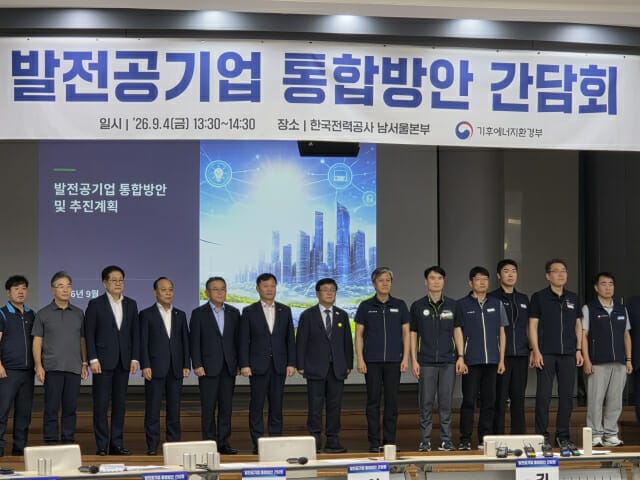
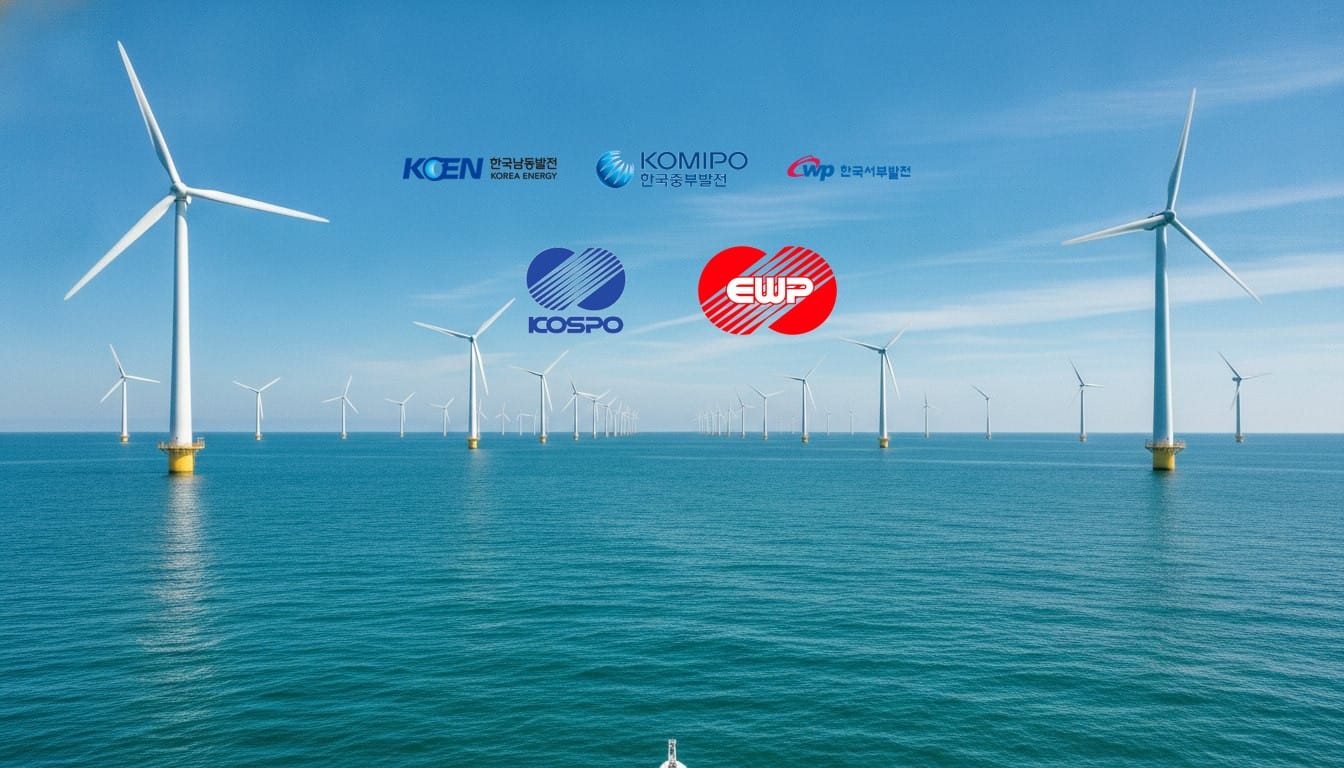
South Korea's government has decided to consolidate five state-owned power generators (Korea East-West Power, Korea Midwestern Power, Korea Western Power, Korea Southern Power, and Korea Southeastern Power) into a single entity called 'Korea Generation' after 25 years of operating separately.
Korea's five state-owned generators become one in October 2027. They hold 14.0 GW of offshore wind, a third of the national pipeline. What the merger case rests on, and what it leaves unanswered.