

III. The Dream of Electrification
Three Seas… Rich Potential and Established Ecosystem
Despite Past Governments Setting 'Offshore Wind Power Superpower' Goals
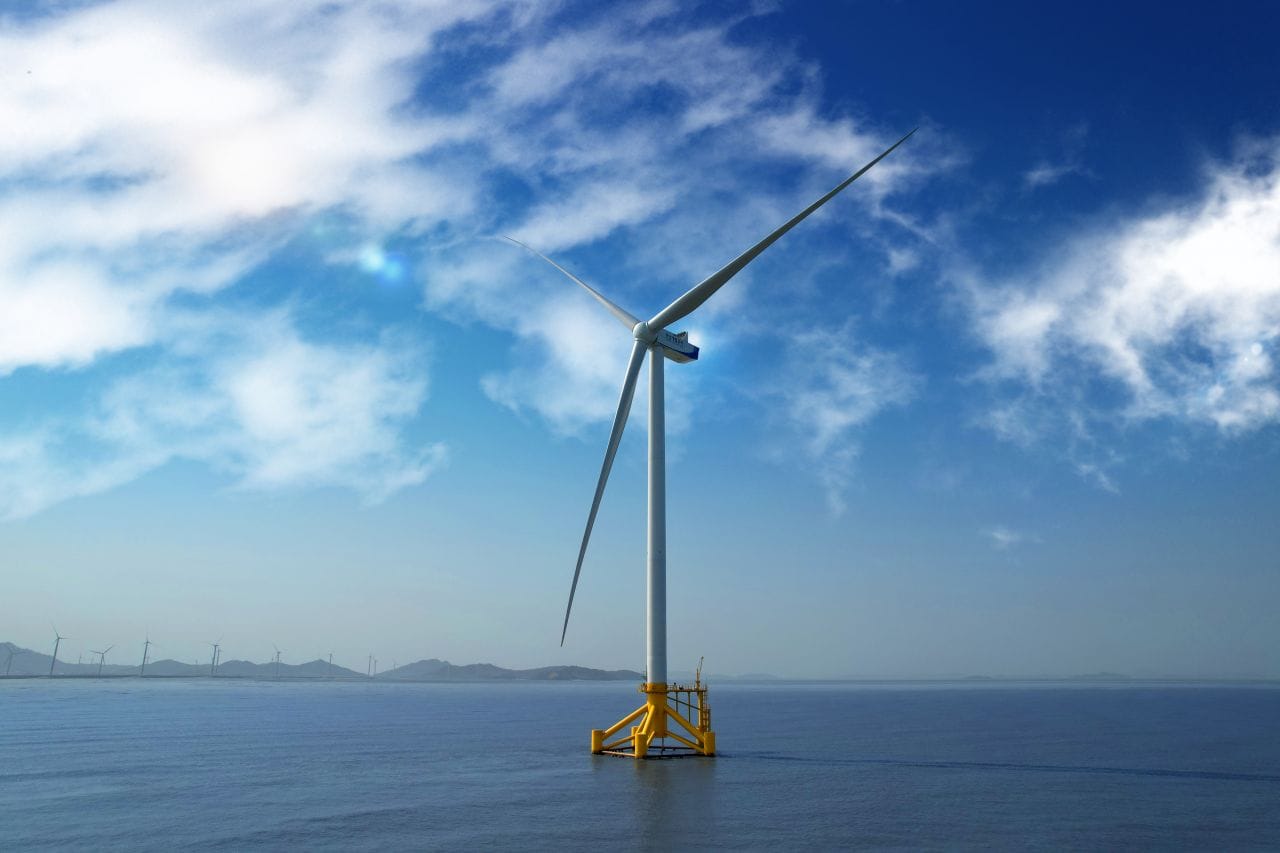
Wind Power Equipment Accounts for Only 6.5% of All Renewable Energy
Community Acceptance, Complex Permits, High Development Costs Among Causes
Planned Siting System Introduced Through Offshore Wind Law
Infrastructure and Domestic Supply Chain Strengthening Must Address Challenges
One way to reduce energy import dependence while responding to growing electricity demand in the age of artificial intelligence is the transition to an electric nation through expanded renewable energy. South Korea in particular is evaluated as having favorable conditions for expanding offshore wind power, surrounded by sea on three sides.
Solar power currently holds an overwhelmingly high share in renewable energy, but given the limited land area, long-term expansion potential is restricted. This is why arguments emerge that offshore wind power must play a key role in significantly expanding renewable energy.
Meanwhile, the share of wind power generation in total renewable energy remains minimal.
According to the Ministry of Climate, Energy and Environment (MCEE), as of 2025, South Korea's wind power generation capacity stands at 2.4 gigawatts (2 GW onshore, 0.4 GW offshore), accounting for only 6.5 percent of total renewable energy capacity (37 GW). The share in actual power generation is even smaller.
Looking at the 2025 Korea Electric Power Corporation (KEPCO) Statistics released by Korea Electric Power Corporation, as of 2025, renewable energy excluding new energy accounts for approximately 9.8 percent of total domestic power generation. While solar power accounts for about 6.0 percent of total generation, wind power combined onshore and offshore accounts for only 0.6 percent.
From January to August this year, wind power generation totaled 2,356 gigawatt-hours, representing only 5.8 percent of the total. The generation share actually declined compared to last year.
'Offshore Wind Superpower' Targets Downgraded Over Time
Former President Moon Jae-in presented a vision in 2020 to "leverage our geographic advantage of being surrounded by sea on three sides and leap to become one of the world's top five offshore wind power nations by 2030." He also announced a goal to expand offshore wind power from 3 projects totaling 123 megawatts to 12 gigawatts by 2030, a hundredfold increase. In the 10th Basic Plan on Long-term Electricity Supply and Demand established by the government in December 2021, the offshore wind power generation share by 2030 was raised to 14.3 percent. However, the achievement rate to date stands at only 2.8 percent.
Earlier, in 2010, the Lee Myung-bak administration said it would invest 10.2 trillion won in the Southwest Offshore Wind by 2020 to install 2.5 GW of wind farms and leap to become one of the world's top three offshore wind power nations. Southwest Offshore Wind is now only in the second phase of a 400-megawatt pilot project.

















