Skip to content

South Korea’s Offshore Wind Legal Framework and Regulatory Landscape

South Korea’s Offshore Wind Legal Framework and Regulatory Landscape
Published:
  1. A Paradigm Shift in Offshore Wind Deployment

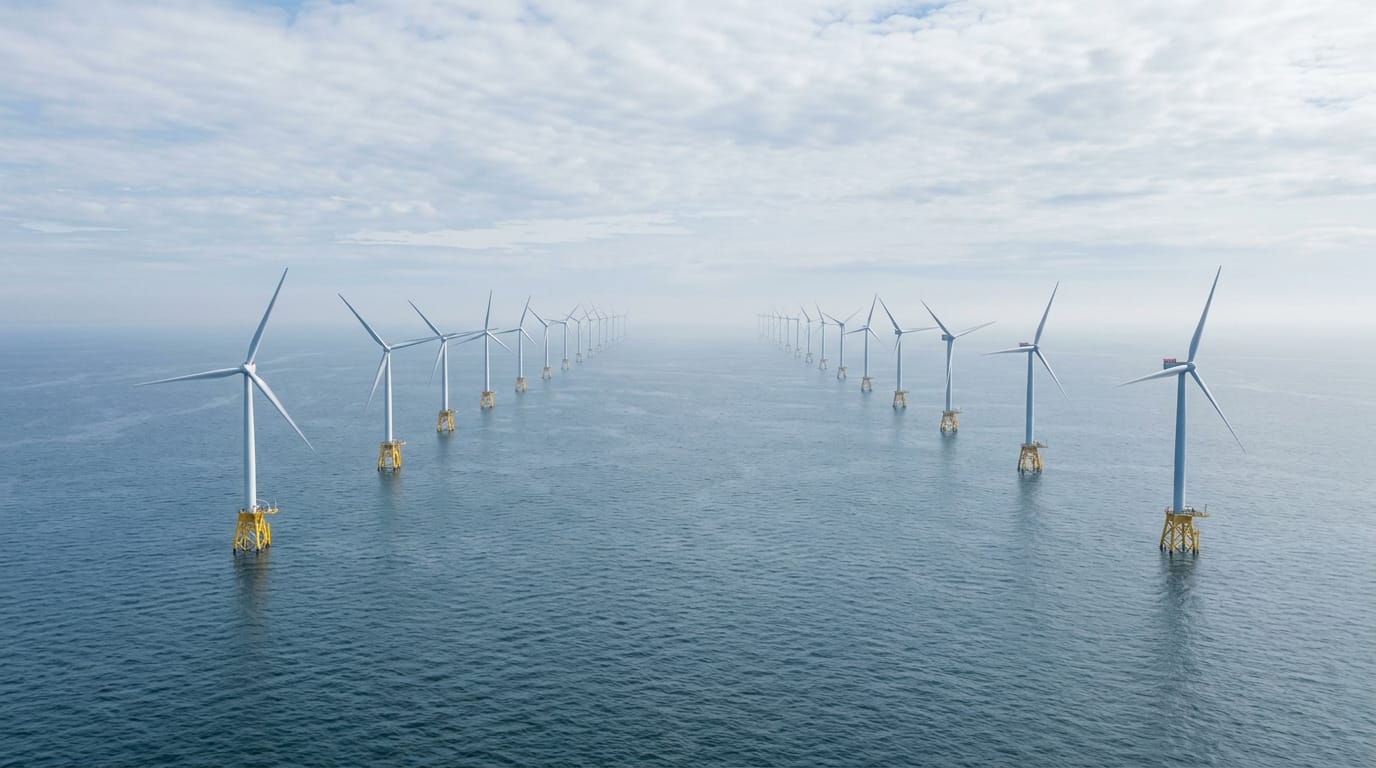
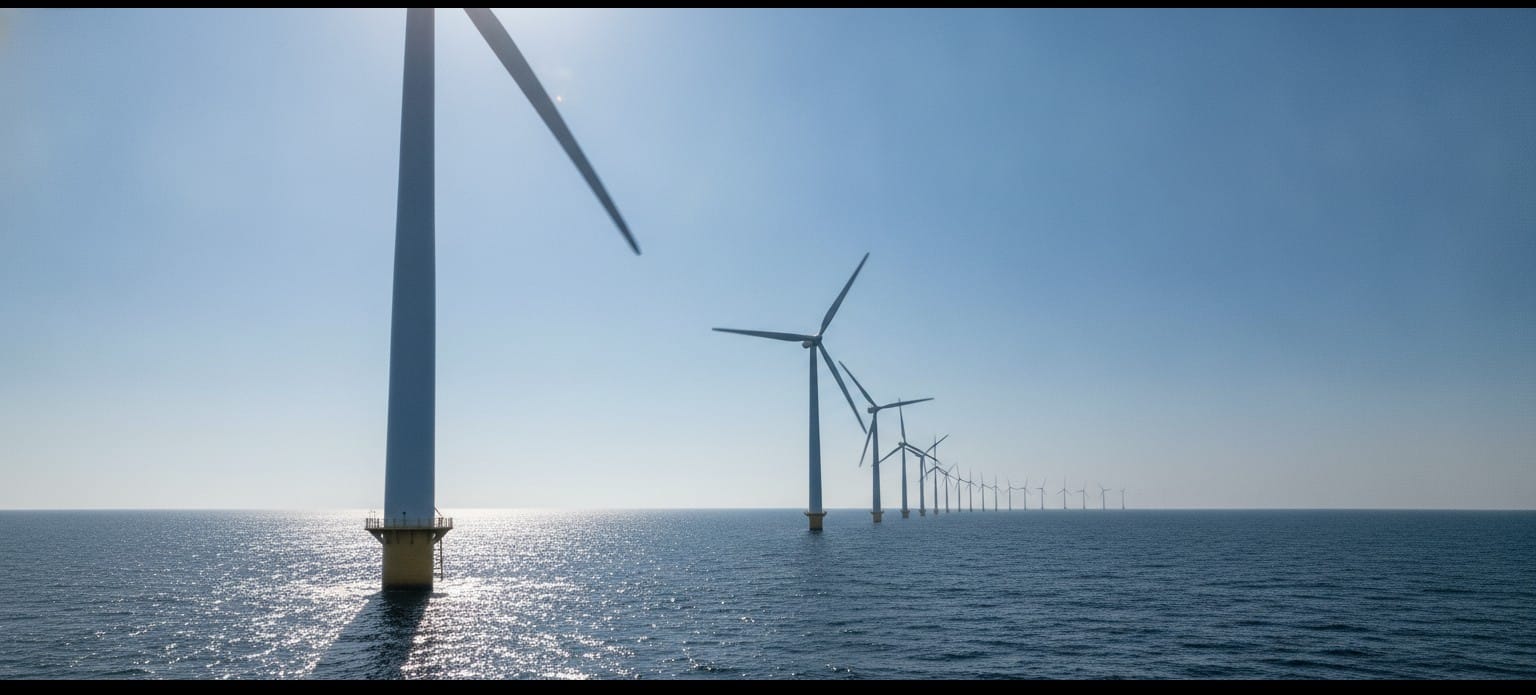
South Korea is strategically leveraging its geographical advantage as a peninsula to establish offshore wind as a cornerstone of its carbon neutrality goals. The government has recently refined its deployment targets and overhauled the regulatory framework to ensure execution


2. Legacy Multi-layered Permitting Framework (Current System)

Until the full implementation of the Special Act (scheduled for late March 2026), offshore wind projects in Korea are governed by three primary regulatory pillars:


3. The New Innovative Framework: The Special Act (Effective 2026)

Enacted in February 2025 and effective from late March 2026, the Special Act completely restructures the industry into a state-led model.

A. State-Led Site Selection and Governance

The government will utilize the Offshore Wind Site Information System to analyze wind resources, fishing activities, and military operations to designate "Preliminary Zones" Following this, a "Public-Private Consultation Body" led by local governments will secure social acceptance to finalize the area as a "Development Zone" This serves as a significant de-risking measure, as the government preemptively resolves complex regulatory and stakeholder issues.

B. "One-Stop Shop" Integrated Permitting

Once a developer is selected for a Development Zone and receives approval for the Implementation Plan, they are deemed to have acquired 28 separate permits (including the Electric Business License, Public Use Area Permit, and Maritime Traffic Safety Assessment). This "deemed approval" system is expected to slash project preparation timelines from 71 months to approximately 31 months.

C. Protection of Existing Projects (Transitional Measures)

To ensure market stability, projects that obtained an Electric Business License prior to the Act’s enforcement may continue under the legacy framework. Alternatively, if certain criteria are met, they may apply to transition into the Special Act framework to benefit from the integrated permitting process.


4. Economic Incentives and Benefit-Sharing Mechanisms

Revenue for offshore wind in Korea primarily depends on Renewable Energy Certificates (RECs) under the RPS (Renewable Portfolio Standard) scheme. The government has sophisticated its weighting system to ensure bankability.


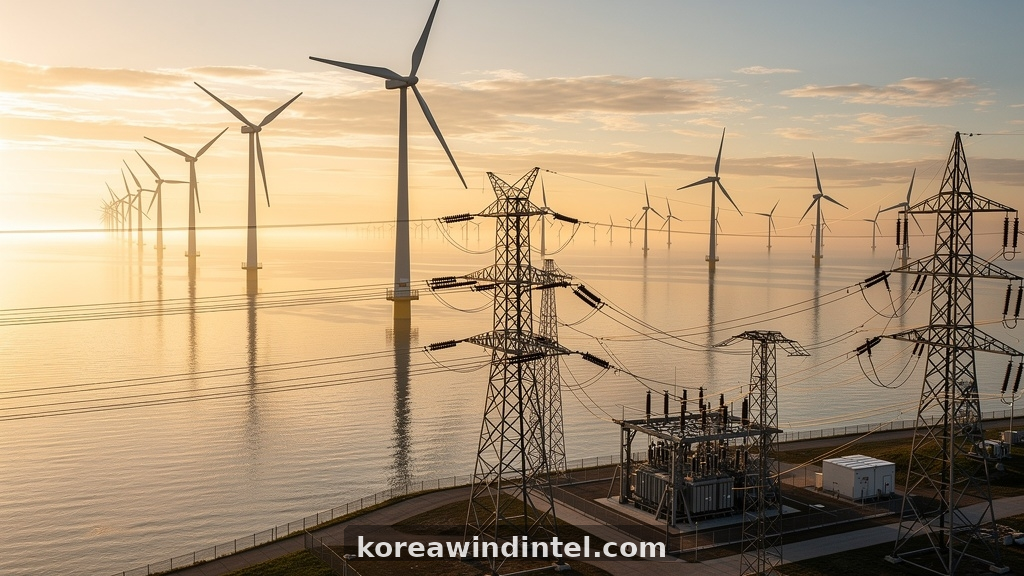
5. Power Grid Connection and Technical Standards

Tags: Deep Dive

More in Deep Dive

See all

More from Korea Offshore Wind Intelligence

See all