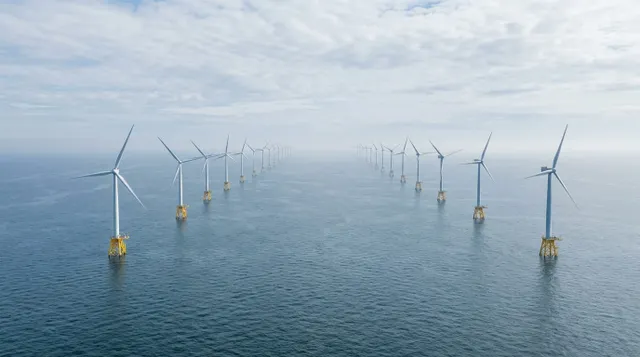
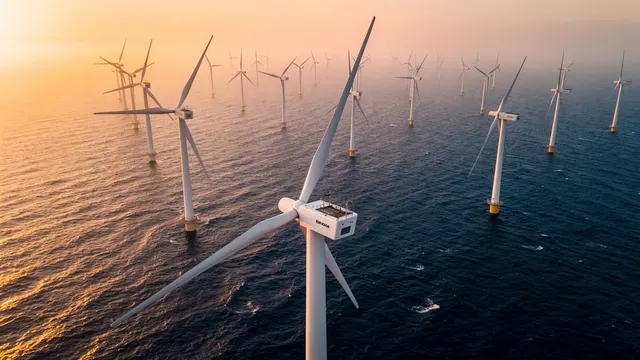
The 364.8MW Nakwol offshore wind farm in Yeongwang, South Jeolla Province, is facing mounting criticism from domestic industry stakeholders over its heavy reliance on Chinese vessels, equipment, and workforce. The project, which involves the installation of 64 units of 5.7MW turbines, has deployed Chinese-flagged installation vessels and approximately 100 Chinese technical personnel, raising significant concerns about the development of domestic supply chains and technology transfer in South Korea's offshore wind sector.
The controversy initially erupted when the Chinese-flagged barge "Shun Yi 1600" entered Korean territorial waters without authorization. Following this incident, the vessel underwent a nationality transfer and was renamed "Hansan 1," allowing construction work to resume. However, questions remain unresolved regarding the legal status of Chinese technical personnel working on the project, including concerns about their residency qualifications and potential illegal employment violations.
Domestic industry representatives have expressed serious concerns about the current project structure, arguing that the substantial profits and benefits from large-scale offshore wind development are flowing to foreign capital rather than supporting local companies and workers. This situation contradicts the stated objectives of building a robust domestic offshore wind supply chain and developing indigenous technological capabilities.
The Nakwol offshore wind farm is expected to be completed by October, but the ongoing disputes over foreign workforce deployment and equipment sourcing highlight broader tensions between South Korea's renewable energy expansion goals and the need to strengthen domestic industrial capacity and competitiveness in the offshore wind sector.
Original Korean article: Pressian