Something feels off in South Korea’s wind power market these days. Reports spreading across the industry about foreign companies withdrawing from or scaling back their businesses are difficult to dismiss as mere individual strategic adjustments. Rather, they are closer to a signal that structural limitations embedded in Korea’s wind power market are surfacing.
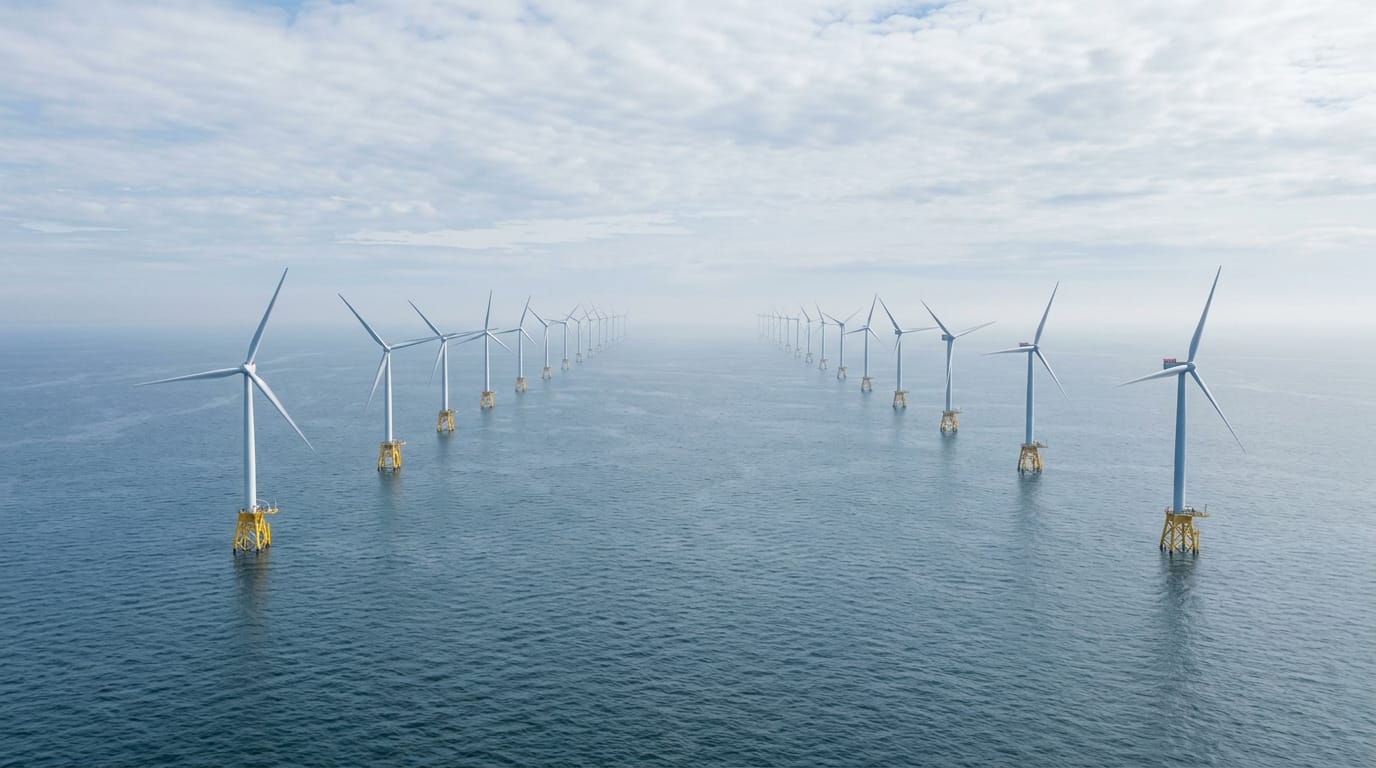
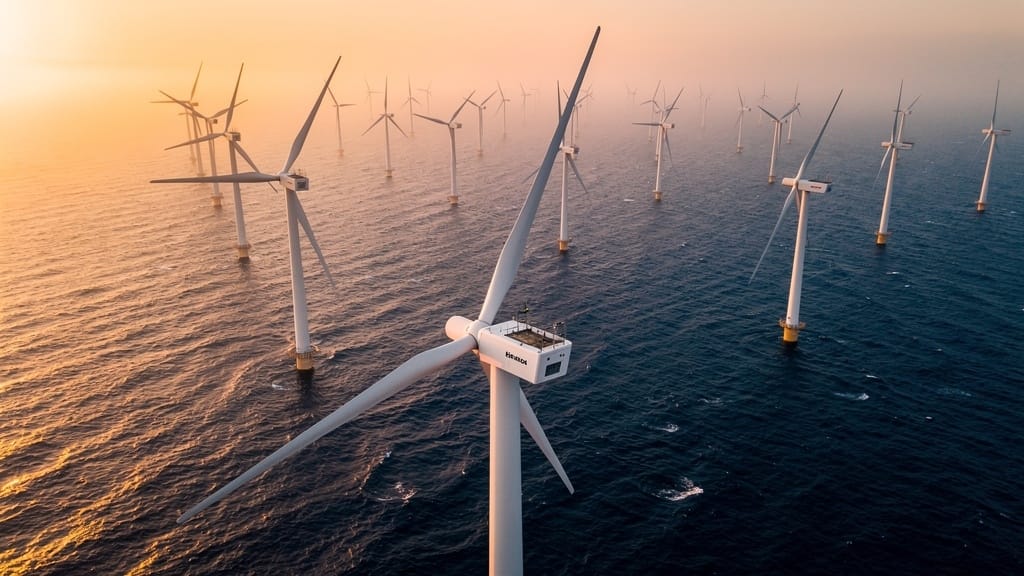
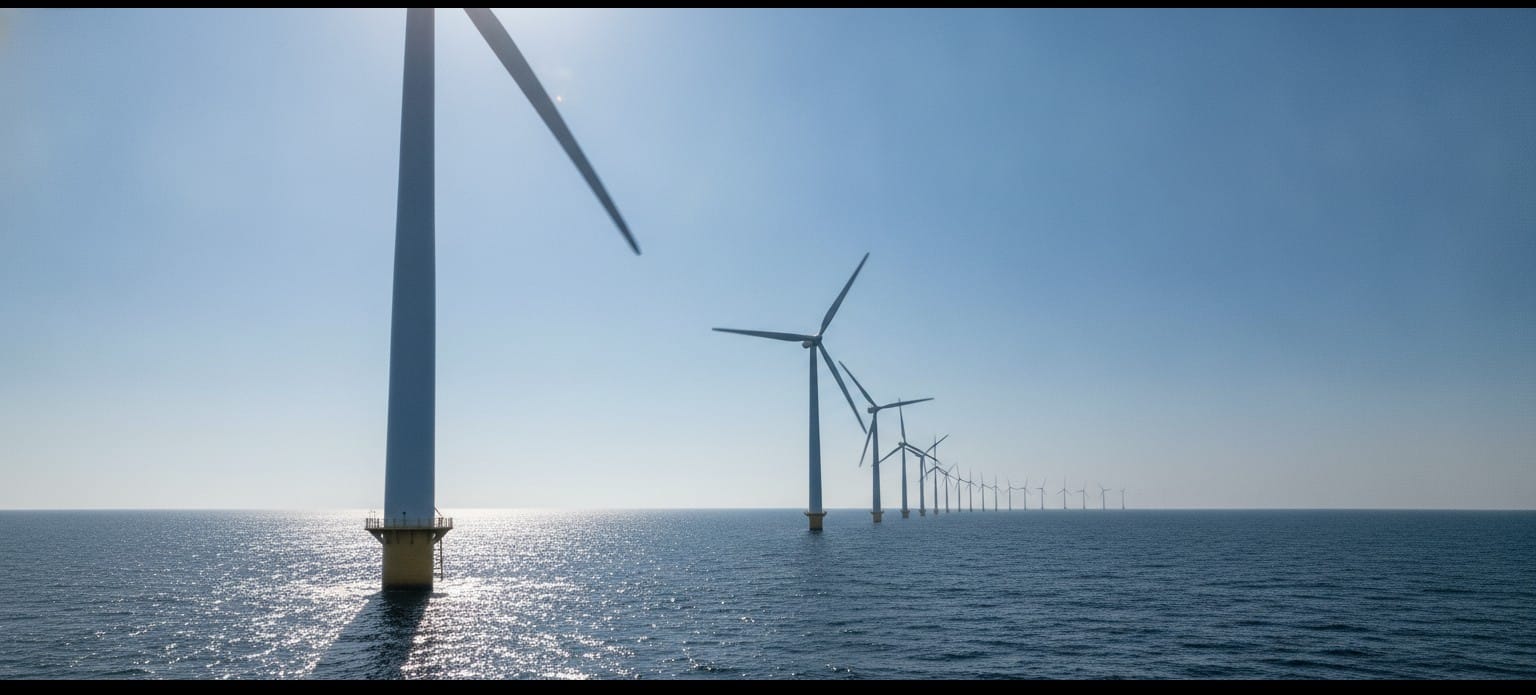
Only a few years ago, Korea’s wind power market was regarded by global companies as a “land of opportunity.” Alongside carbon-neutrality policies, the push to expand renewable energy was clear, and offshore wind in particular was expected to grow rapidly through large-scale projects. In fact, major developers from Europe and Asia rushed into the Korean market, building pipelines on the order of tens of gigawatts.
Recently, however, the mood has shifted sharply. Some global developers are reducing their stakes or considering sales, and they are also moderating the pace of new investment. On the surface, the causes are cited as global headwinds such as higher interest rates and rising raw-material prices. But the problems in Korea’s market are even more structural than that.
The biggest factor is “uncertainty.” Unpredictability in the permitting process—especially key variables such as consultations with the military and environmental regulations—can determine project schedules and costs, yet they are difficult to gauge in advance. As cases repeat in which projects prepared for years are selected in tenders but still fail to gain momentum, the investment risk felt by developers is growing.
The profitability structure is also hard to call stable. Criticism has long persisted that the current fixed-price contract auction system is designed around price competition and does not sufficiently reflect developers’ risks. Compared with the stable, long-term contract-based revenue structures spreading in global markets—such as contracts for difference (CfD)—Korea’s system is assessed as vulnerable to volatility.
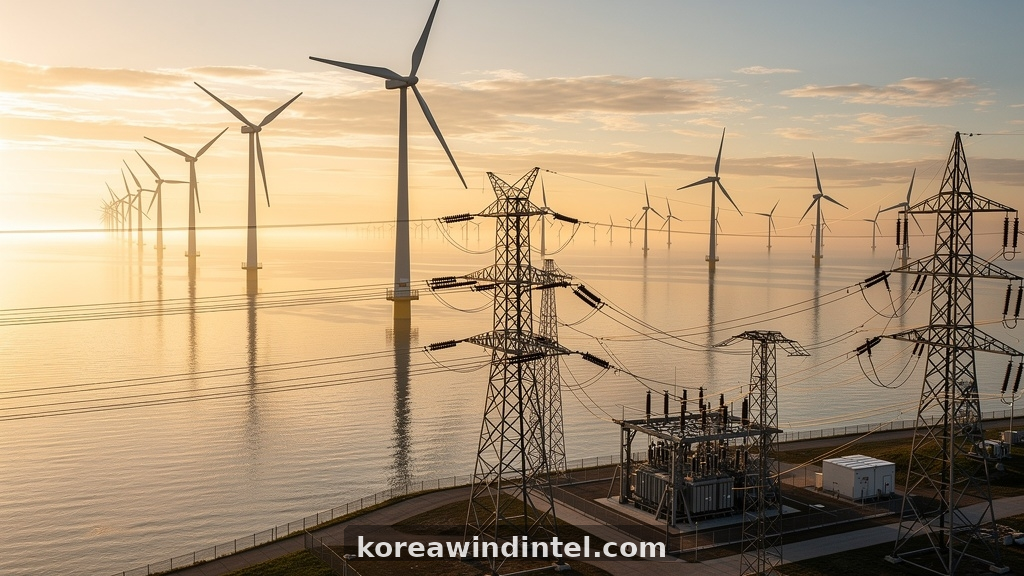
Grid issues cannot be left out either. Even after receiving a generation business license, it is common for it to take years before an actual grid connection is secured. The financing costs and opportunity costs arising in the process fall squarely on developers. In effect, a structure is becoming entrenched in which sending electricity is harder than building the power plant.
As these factors interact, perceptions of Korea’s wind power market are shifting from an “opportunity” to a “risk” market. The withdrawal of foreign companies is both the result and a warning. Because capital always moves toward markets that are predictable and stable, this trend should not be taken lightly.
That said, there is no need to be only pessimistic. This moment can instead become a turning point to reorganize institutions and structures. It is urgent to reform the auction system so that it reflects not only price but also the feasibility of completion and risk-sharing, and to improve the predictability of permitting procedures. At the same time, the market’s trust must be restored by presenting a clear roadmap for expanding the power grid.
Wind power has already established itself as a core pillar of the global energy transition. The problem is not technology, but institutions and systems. Whether Korea falls behind this trend or creates opportunity again will depend on the choices made now.