[Opinion] Offshore Wind Energy: An Essential Task for Survival, Not a Choice
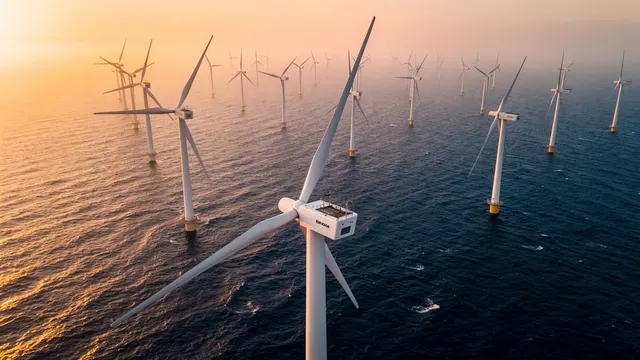
South Korea's offshore wind energy development has become an essential task for survival in the global economy, not merely an optional choice. As multinational corporations increasingly adopt RE100 standards—committing to 100% renewable energy consumption—and nations worldwide accelerate their transition toward carbon neutrality, offshore wind power represents a critical pathway for Korea to maintain its competitive edge and meet international environmental obligations.
The primary challenge facing offshore wind expansion in Korea is securing public acceptance from coastal communities. To overcome this hurdle, transparent information disclosure and genuine partnership building between government, industry, and local residents are paramount. Successful domestic examples, such as the Jeju Tamra offshore wind farm, demonstrate that when communities are properly informed and engaged as true stakeholders rather than mere subjects of development, public support can be achieved and sustained.
The newly enacted Offshore Wind Power Supply and Industry Promotion Special Act represents a significant turning point in resolving conflicts and building consensus. By mandating benefit-sharing mechanisms and establishing public-private consultation councils, the legislation creates a framework for equitable co-prosperity models. These provisions ensure that local communities directly benefit from offshore wind projects, transforming potential opposition into collaborative partnership and enabling sustainable long-term development.
Offshore wind energy is no longer a luxury or supplementary energy source for Korea—it is a survival imperative. By prioritizing transparent governance, community engagement, and equitable benefit-sharing through the new special act, South Korea can successfully transition to renewable energy while strengthening social cohesion and economic resilience.
Original Korean article: Busan Ilbo