Executive Insight
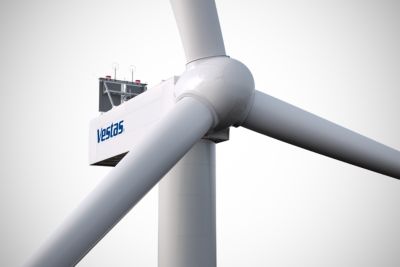
Vestas’ disclosure of 2,867 MW in announced turbine orders in Q1 2026—alongside mention of additional, still-undisclosed volumes—signals that global OEM backlogs are being rebuilt even as developers remain cautious on permitting and financing. Of particular relevance for Korea is the referenced 390 MW offshore order, previously noted in a 29 December 2025 update. While limited detail is provided, the repeated mention reinforces that Korea is converting parts of its offshore pipeline into bankable procurement, at least at the contract-award stage.
For international investors and offshore wind developers, the key takeaway is less the quarter’s aggregate volume and more what the Korea order implies about competitive dynamics and risk allocation. OEM selection is increasingly tied to developers’ ability to demonstrate grid access, offtake certainty, local content strategies, and construction readiness. A confirmed offshore turbine award suggests counterparties are sufficiently advanced on these prerequisites to move into supplier contracting—often a gating item for project finance, insurance placement, and long-lead component reservations. In parallel, Vestas’ note that some volumes remain undisclosed highlights confidentiality around pricing, indexation, and scope (installation, service terms), which can materially affect IRRs and the timing of financial close.
Strategically, this is a reminder that Korea’s offshore market is becoming a meaningful battleground for global OEMs and their local partners. Developers should expect tighter supply-chain sequencing (ports, vessels, foundations, cables) and more scrutiny of execution plans, particularly where domestic manufacturing participation is required or politically sensitive. For financiers, an OEM award can improve diligence visibility—technology selection, warranty framework, service model, and delivery schedule—yet it does not remove the core Korea risks: permitting timelines, grid connection uncertainty, and revenue stabilization. The market signal is constructive, but investors should track whether this turbine award is followed by disclosed project details, firm offtake arrangements, and a clear path to construction.