What This Story Is About
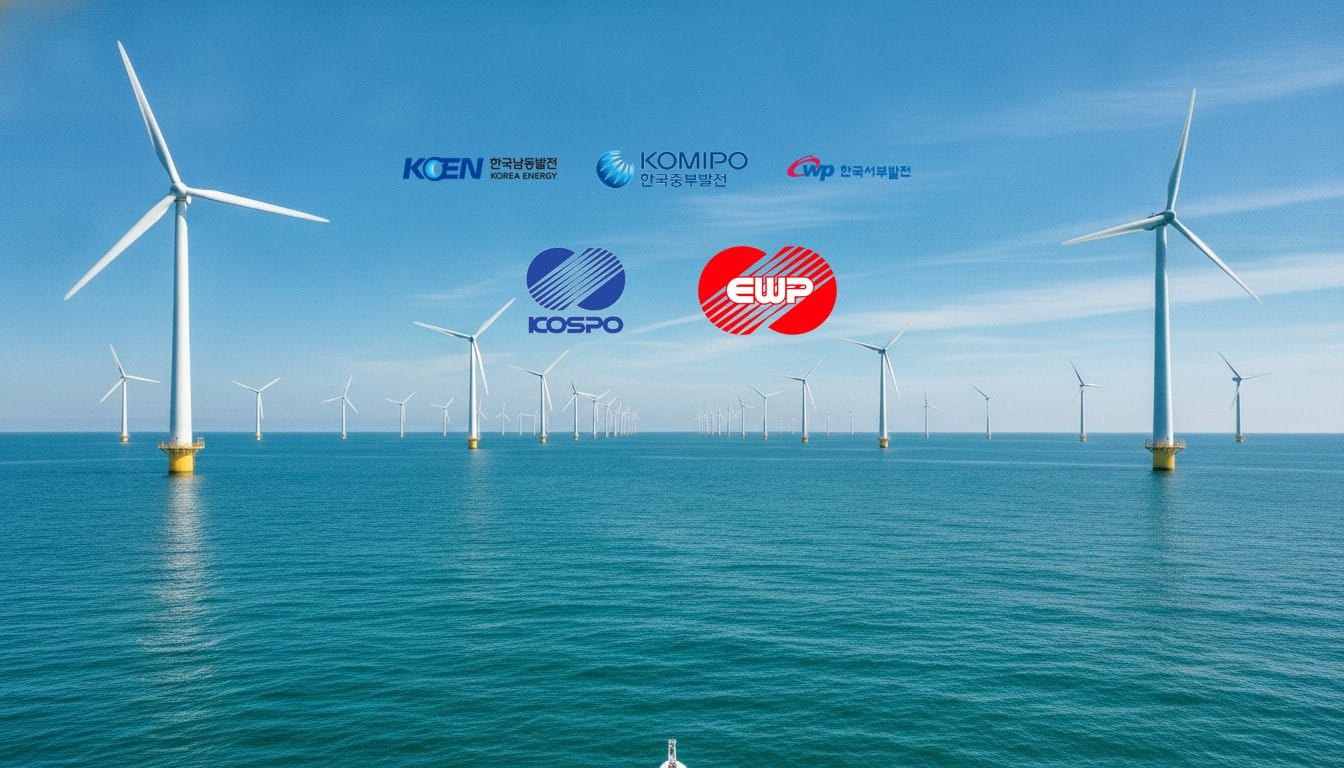
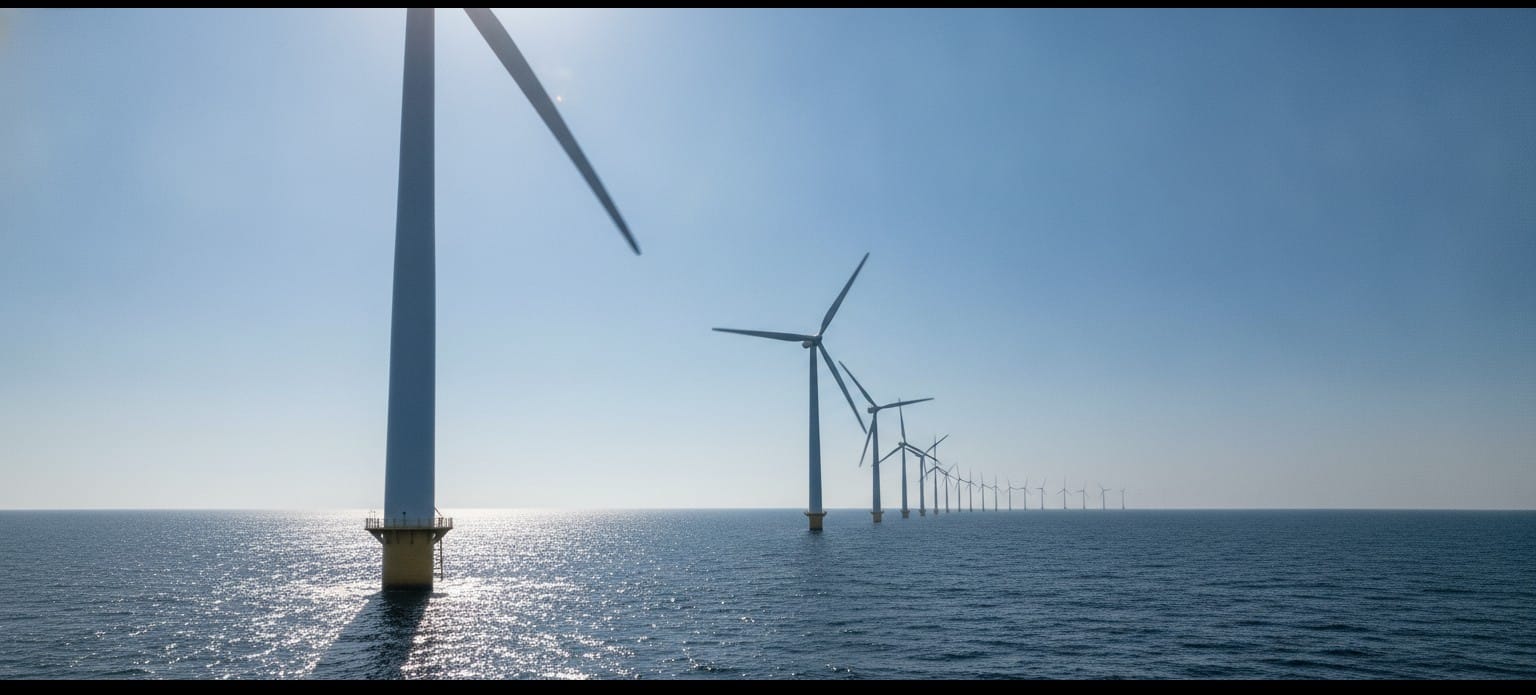
South Korea's government, specifically through the Ministry of Trade, Industry and Energy (MOTIE), has introduced a legislative proposal aimed at mandating profit sharing from offshore wind projects with the public. This 'Offshore Wind Profit Sharing Act' seeks to reduce the energy burden on citizens by distributing revenues generated from these large-scale renewable energy developments. If enacted, the bill would obligate project operators to allocate a portion of their profits, a move intended to enhance public acceptance and equitable distribution of benefits from the nation's growing offshore wind sector.
Read original article from: Energy News
Background and Context
The proposal for an 'Offshore Wind Profit Sharing Act' stems from persistent challenges in securing social license for large-scale renewable energy projects in South Korea. Historically, offshore wind development has encountered strong opposition from local fishing communities and residents concerned about impacts on livelihoods, marine ecosystems, and the absence of direct economic benefits. While existing regulations include some provisions for community engagement and compensation for fishing losses, these have often been deemed insufficient to foster genuine local support.
This legislative initiative by MOTIE reflects a recognition that a more direct and equitable distribution of project revenues is crucial for overcoming these hurdles. It builds on previous policy discussions, such as the 'Resident Participation Type' project model under the Renewable Energy Supply Obligation (RPS) scheme, which encourages local investment in renewable energy projects. However, this new bill proposes a more direct mandate for profit allocation, aiming to institutionalize a mechanism that ensures local communities are direct beneficiaries, moving beyond mere compensation to a share in the long-term economic success of offshore wind farms. This approach seeks to align local interests with national energy goals, reducing project delays and facilitating smoother development processes.
Insight and Outlook
The proposed 'Offshore Wind Profit Sharing Act' carries significant implications for international developers, investors, and suppliers eyeing the South Korean market. While it may introduce an additional cost component, potentially impacting project financial models, the primary benefit could be a substantial reduction in project development risk, particularly related to social opposition and permitting delays. One key risk lies in the specific details of the profit-sharing mechanism: the percentage of profits mandated for distribution, how 'profit' is defined, and the administrative structure for disbursement. If the share is substantial or the process opaque, it could deter investment.
Conversely, a well-defined, transparent, and fairly implemented scheme could significantly de-risk projects by fostering genuine local buy-in and accelerating the notoriously slow permitting process. Investors should closely monitor the bill's legislative journey, including any amendments, and the subsequent regulatory guidelines detailing implementation. Successful implementation of this policy is crucial for South Korea to overcome its persistent social acceptance challenges, unlock its vast offshore wind potential, and achieve its ambitious renewable energy targets, transforming a major systemic hurdle into a structural opportunity for smoother project execution.
This brief is prepared for informational purposes only. It is based on publicly available sources and AI-assisted analysis. It does not constitute investment advice. Readers should conduct their own due diligence before making any decisions.