Executive Insight
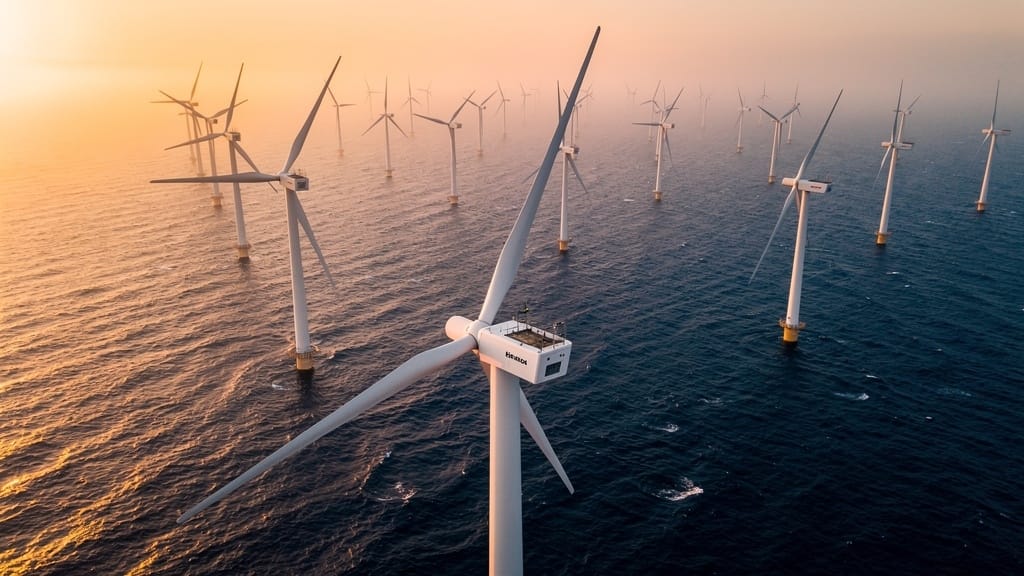
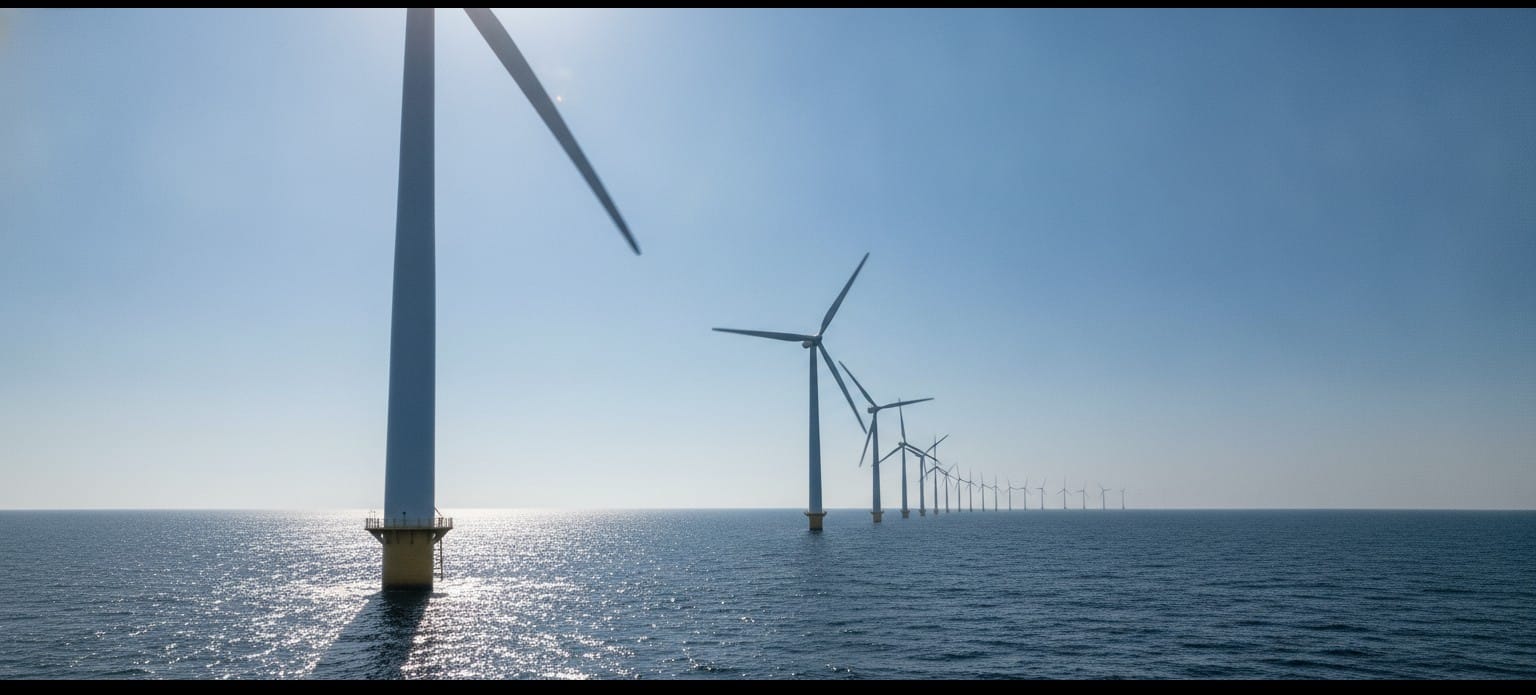
Vena Group’s plan to deploy committed capital in South Korea through 2030 reinforces a key direction in the market: large pools of private funding are increasingly being positioned as “platform capital” to advance multiple clean-energy pathways, with offshore wind among the highest-capex and highest-impact segments. For developers and suppliers, this signals potential acceleration in early-stage development activity—site work, permitting, grid studies, and front-end engineering—where access to risk-tolerant capital can determine whether projects progress from concept to bankable pipeline.
For international offshore wind investors, the announcement underscores two strategic realities in Korea. First, the investable opportunity remains tightly linked to regulatory throughput and grid availability: capital commitments alone do not remove bottlenecks tied to permitting, interconnection queues, and local acceptance. Investors should therefore assess whether such funding will be paired with local development partners, community engagement plans, and clear routes through approvals, as these factors can meaningfully reduce schedule risk and improve financing terms. Second, multi-initiative clean-energy investment can create portfolio synergies—shared transmission solutions, corporate power offtake strategies, and common procurement frameworks—that may help mitigate Korea’s cost pressures in turbines, installation vessels, and balance-of-plant logistics.
From a market-structure perspective, committed long-dated capital may also influence how projects are financed and contracted. If deployed into development equity and pre-construction spend, it can lower reliance on high-cost bridge financing and enable earlier supply-chain reservations—important in a region competing for vessels, cables, and large turbine slots. For Korea’s offshore wind pipeline, the practical implication is that well-capitalized sponsors could move faster on maturation, potentially improving the volume and quality of projects that reach financial close—provided policy clarity, permitting speed, and grid access keep pace with the capital now seeking deployment.