What This Story Is About
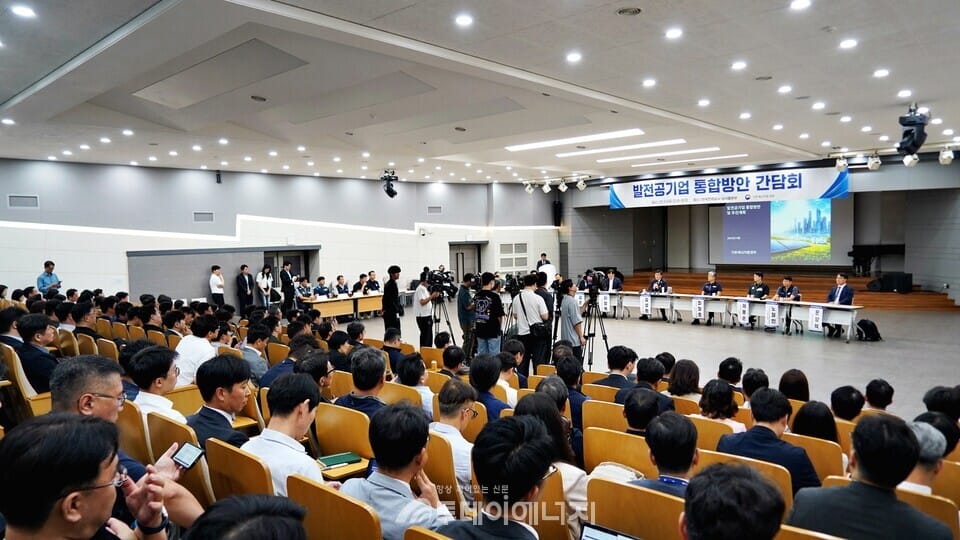
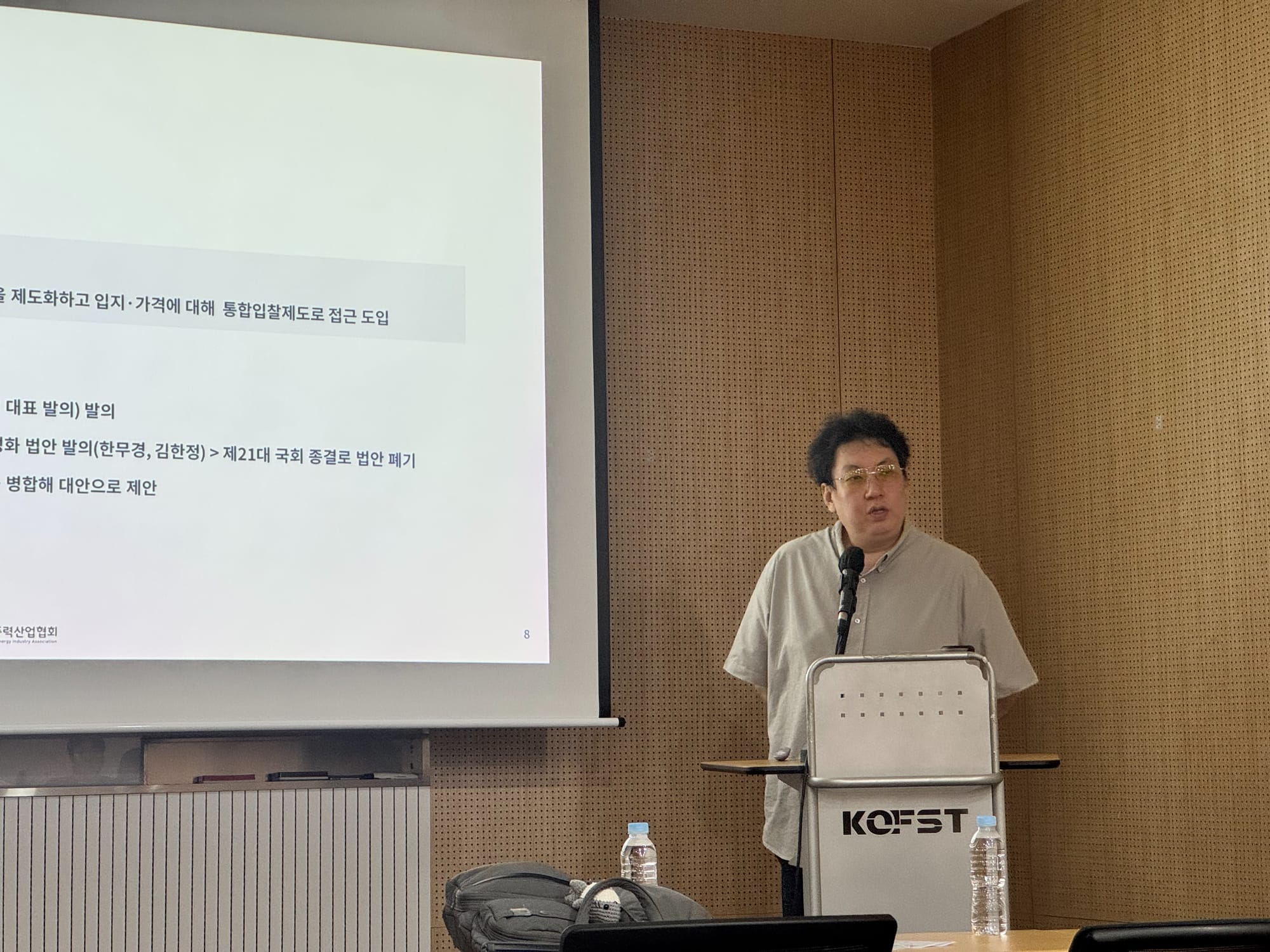
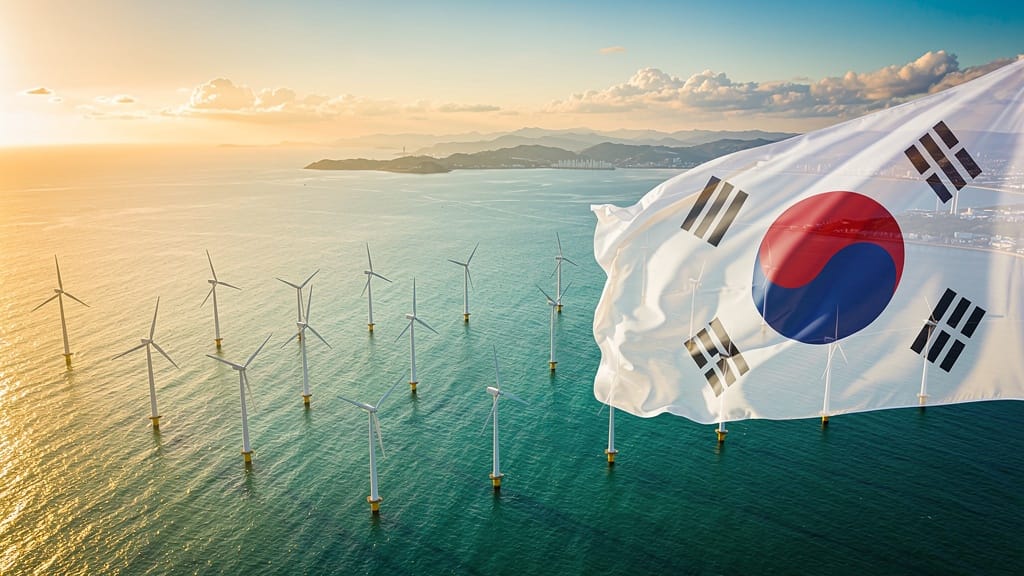
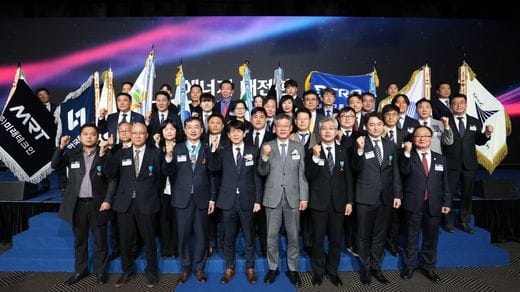
A specialized forum was recently held in Ulsan, South Korea, bringing together industry stakeholders and experts to discuss critical aspects of floating offshore wind technology, with a particular focus on testing and development. The discussions underscored Ulsan's ambition to become a global hub for floating offshore wind, addressing the technical, regulatory, and infrastructural requirements necessary to advance this nascent yet promising sector. The event reflects ongoing efforts to accelerate the deployment of floating wind farms, which are crucial for Korea given its deep coastal waters.
Read original article from: Today Energy
Background and Context
Ulsan has emerged as a focal point for South Korea's ambitious floating offshore wind strategy. Recognizing its advantageous deep-water conditions and industrial infrastructure, the city was designated as a 'floating offshore wind power specialized complex' by the Korean government. This designation aims to foster a comprehensive ecosystem for floating wind, encompassing R&D, manufacturing, installation, and O&M.
The Korean government has set a target to develop 14.3 GW of offshore wind capacity by 2030, with a significant portion expected to come from floating projects. This includes a specific ambition to develop 6 GW of floating offshore wind by 2030. The current regulatory framework, while evolving, still presents hurdles, particularly concerning grid connection approvals, environmental impact assessments, and securing fishing community acceptance. Existing grid infrastructure is largely concentrated near conventional power plants, posing challenges for connecting large-scale offshore wind farms. Furthermore, the high upfront costs associated with floating technology and the need for robust testing and certification standards are critical areas of focus for policymakers and developers.
The forum in Ulsan highlights the ongoing efforts to establish a robust testing and certification infrastructure, which is vital for de-risking new technologies and attracting investment. Korea's unique oceanography, characterized by deeper waters, makes floating foundations a more viable option than fixed-bottom installations for many potential sites. However, this also necessitates specialized testing facilities capable of simulating harsh marine environments and verifying the performance and durability of floating structures and turbines.
Insight and Outlook
The discussions at the Ulsan forum underscore several key implications for international developers, investors, and suppliers. The emphasis on testing signals Korea's commitment to rigorous validation, which, while potentially extending development timelines, will ultimately enhance project bankability and operational reliability. International technology providers in floating platform design, mooring systems, and advanced turbine solutions will find a receptive market, provided they can adapt to local content requirements and collaborate with Korean partners.
However, several risks persist. Permitting processes remain complex and often protracted, particularly concerning environmental approvals and engagement with local fishing communities. Grid connection certainty and allocation are also significant concerns, with many proposed projects awaiting clear pathways to the national transmission network. Financing for novel floating technologies, while gaining momentum, still faces higher perceived risks compared to established fixed-bottom projects, necessitating innovative financial structures and potentially government guarantees.
Investors should watch for milestones such as the establishment of dedicated floating offshore wind testing facilities, clearer guidelines for grid connection, and the successful financial close of early-stage commercial floating projects. The systemic challenge lies in building a complete domestic supply chain for floating wind components and installation services. For Korea's floating wind ambitions to materialize, consistent policy support, streamlined regulatory procedures, and substantial investment in port infrastructure capable of handling large-scale floating structures are essential.
This brief is prepared for informational purposes only. It is based on publicly available sources and AI-assisted analysis. It does not constitute investment advice. Readers should conduct their own due diligence before making any decisions.