Executive Insight
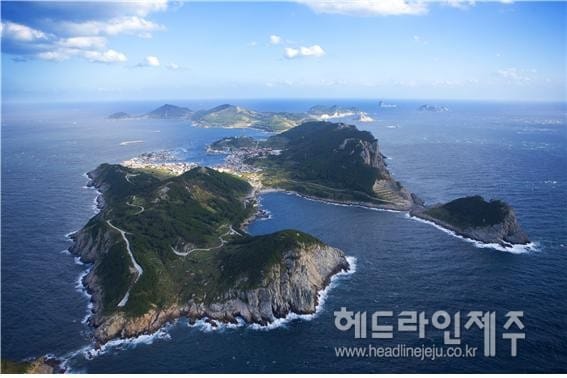
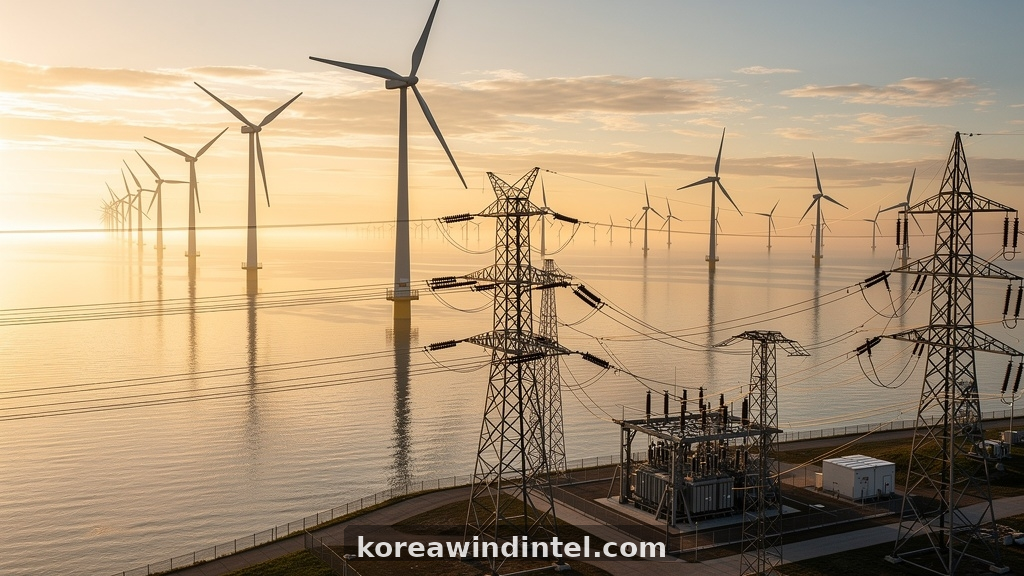
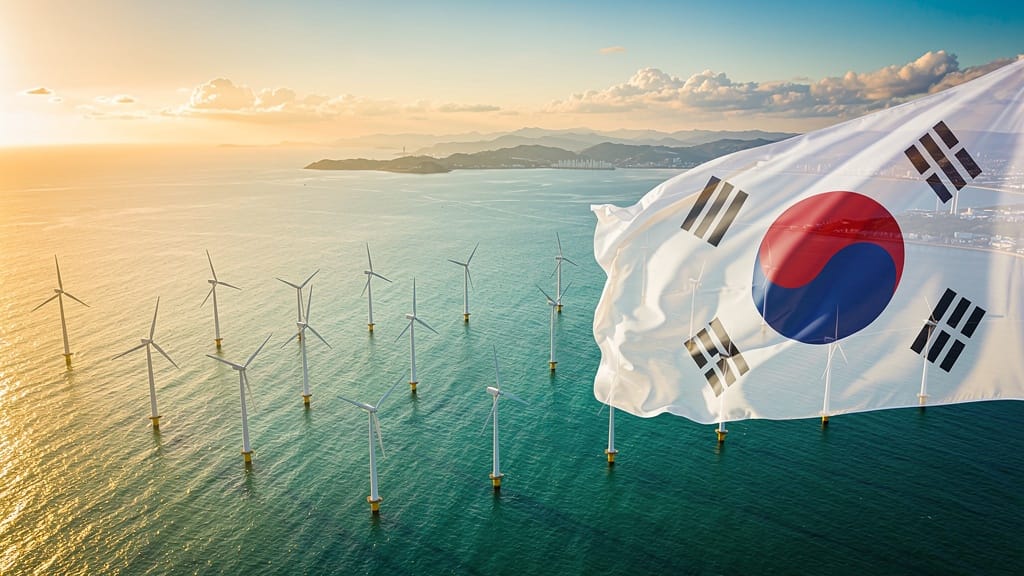
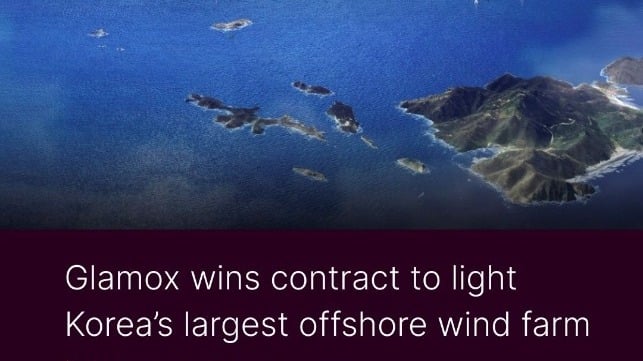
The planned offshore wind farm located roughly 4 km south of Ui-do Island, with production targeted for early 2029, reinforces South Korea’s steady build-out of offshore wind as a core pillar of its energy transition. While the update is limited on permitting, offtake, and contracting details, the timeline itself is market-relevant: it suggests a multi-year runway for environmental approvals, grid connection allocation, and procurement—areas that have become the main determinants of bankability in Korea’s offshore wind market.
For international investors and developers, an early-2029 COD target implies near-term focus should be on de-risking milestones rather than turbine installation. Equity partners and lenders typically look for (1) clear seabed rights and marine use approvals, (2) a credible interconnection plan with KEPCO and evidence of available transmission capacity, and (3) an offtake structure that can withstand merchant price volatility. If the project pursues a corporate PPA, demand from export-oriented manufacturers and data centers could be supportive; if it relies on policy-driven revenue (e.g., REC/auction mechanisms), the key sensitivity will be how Korea’s evolving offshore wind procurement framework allocates price and curtailment risk.
The supply chain angle is also notable. A 2029 start date aligns with the period when local fabrication, ports, installation vessels, and O&M capabilities are expected to deepen—potentially improving execution certainty but also creating competition for scarce construction windows and specialized equipment. Developers should anticipate tighter requirements around local content, ESG compliance, fisheries engagement, and community benefit schemes, all of which can affect schedule and cost. Strategically, overseas players may find the best entry points in grid and electrical packages, foundation fabrication partnerships, marine logistics, and long-term service agreements, where differentiated capability can reduce risk and improve financing terms.