Executive Insight
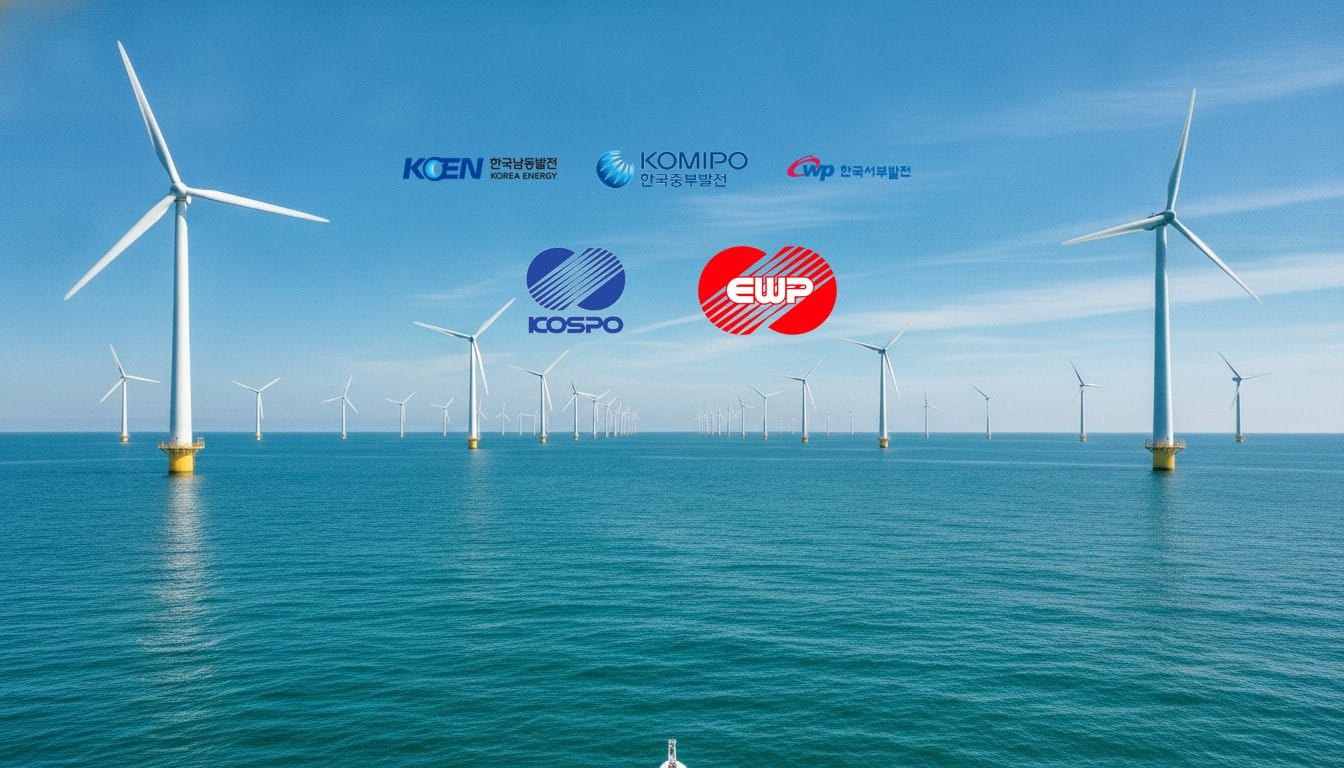
South Korea is nearing a final decision on whether to designate the Yeongheung area in Incheon as an offshore wind cluster, with an outcome expected before March 26. If approved, it would be positioned as the country’s first public-sector-led offshore wind cluster—an important signal in a market where developers have often led early-stage development and permitting while navigating complex stakeholder engagement and grid constraints.
For international investors and offshore wind developers, the key implication is a potential recalibration of risk allocation and project origination. A government-led cluster model can improve bankability if it standardizes site development, marine spatial planning, and community engagement frameworks, and if it coordinates grid connection planning earlier than project-by-project approaches. However, it can also reshape competitive dynamics by concentrating access to seabed areas, permitting pathways, and potential offtake structures within a public sector program—making partnership strategy, local consortium positioning, and procurement readiness more critical than pure first-mover site control.
If the designation proceeds, developers should watch for follow-on policy design: (1) whether the cluster provides an integrated roadmap for transmission build-out and queue management, (2) how auction eligibility, localization expectations, and supplier qualification rules are structured, and (3) whether project finance can rely on clearer revenue stabilization mechanisms. Supply chain implications could be meaningful, as a cluster pipeline typically supports longer-term volume visibility for turbines, foundations, subsea cables, and installation vessels—potentially accelerating Korean industrial participation while still leaving room for foreign OEMs and Tier-1 contractors that can commit to local partnerships and compliance. In short, Yeongheung’s decision is less about a single site and more about whether Korea is moving toward a coordinated, public-led scaling model that could reduce development friction—but raise the bar for strategic engagement and policy literacy.