What This Story Is About
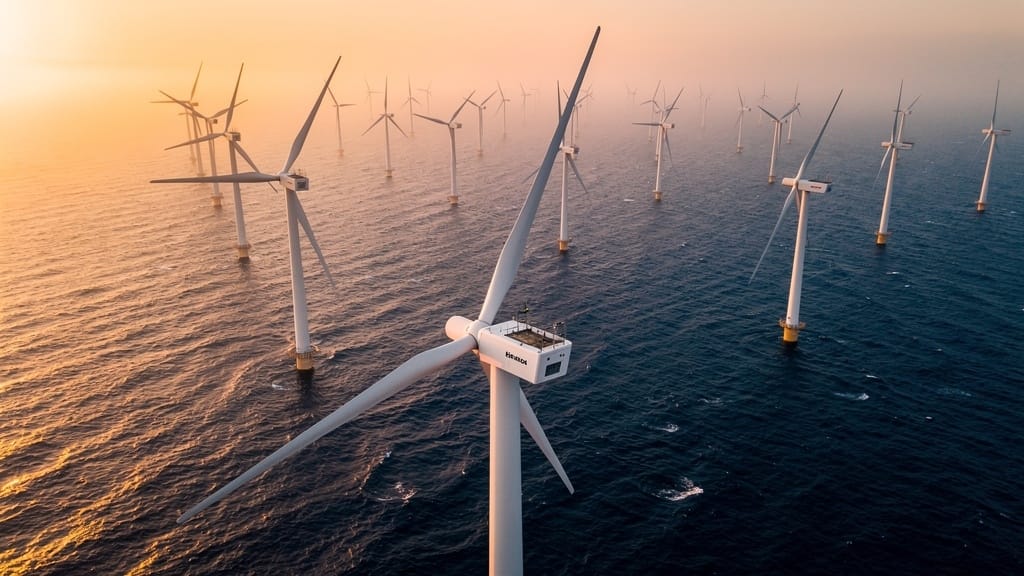
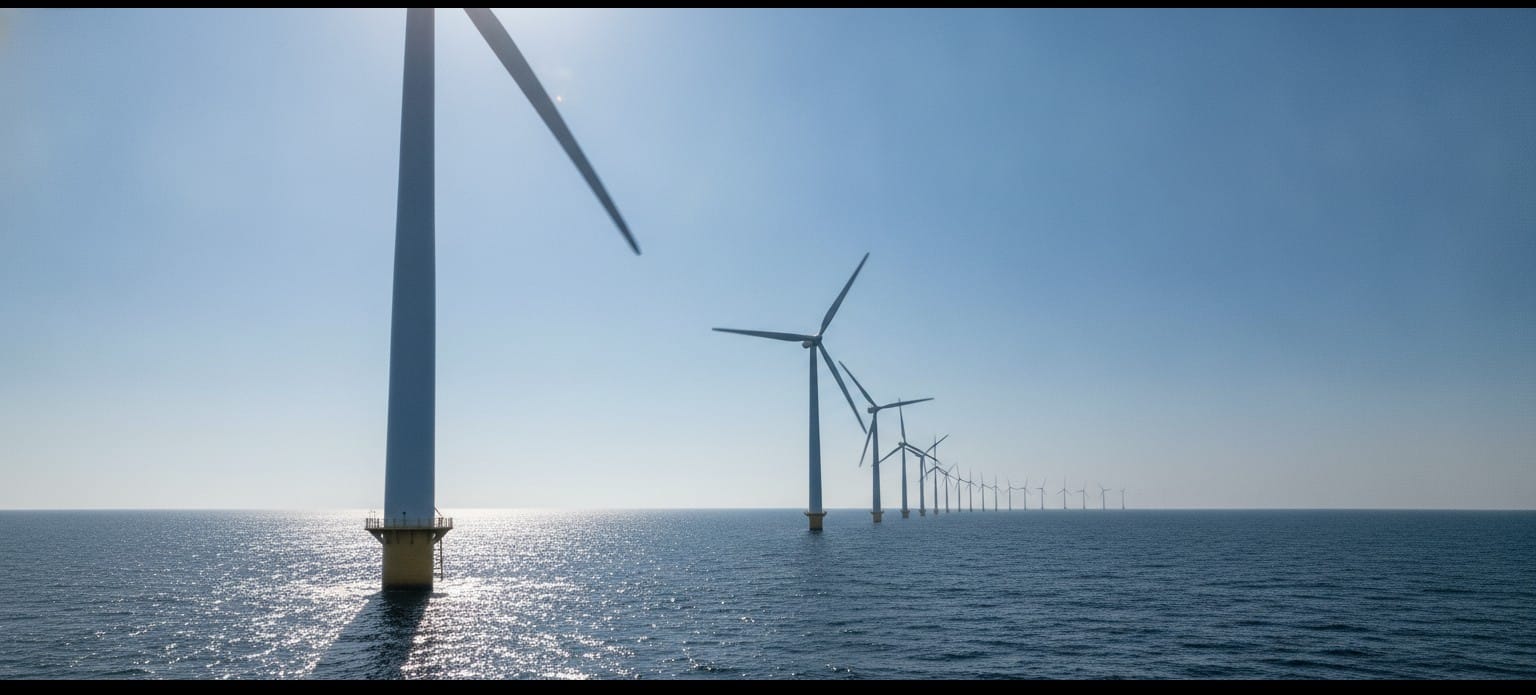
South Korean officials recently underscored the critical importance of military consultation for the successful development of offshore wind clusters. This emphasis highlights the ongoing challenge of navigating defense zones and military operational areas, which are prevalent along the nation's coastlines, for new energy infrastructure projects. Effective coordination is deemed essential to unlock prime development sites and ensure project viability.
Read original article from: Electimes
Background and Context
South Korea's dense coastal military presence has historically posed significant hurdles for offshore wind development. Large swathes of the nation's maritime territory are designated as military operational zones, training areas, or restricted navigation areas, often overlapping with optimal sites for wind farm construction due to favorable wind resources and shallow waters. This situation has led to numerous project delays and even cancellations, as developers struggle to secure the necessary permits and clearances from various branches of the armed forces, including the Navy, Air Force, and Coast Guard. The Ministry of National Defense (MND) and the Joint Chiefs of Staff hold considerable authority over these maritime areas, and their approval is a prerequisite for any large-scale marine construction.
Past challenges have included lengthy review processes, demands for project redesigns to avoid interference with radar or flight paths, and outright rejection of sites deemed critical for national security. The current emphasis on early and thorough military consultation reflects a growing recognition within the government that a more streamlined and cooperative approach is vital to meet the nation's renewable energy targets and attract international investment. Previous attempts to reconcile these conflicting interests have included designating "offshore wind development zones" that consider military needs, but implementation has remained complex.
Insight and Outlook
For international developers, investors, and suppliers eyeing the Korean offshore wind market, the emphasis on military consultation signals both a persistent challenge and a potential area for improved clarity. The primary risk remains permitting uncertainty and project delays due to military objections or prolonged review periods. Developers must now prioritize early engagement with defense authorities, potentially even before significant investment in site surveys, to identify viable locations and de-risk projects from the outset. Key milestones to watch include the establishment of clearer guidelines or dedicated channels for military-developer dialogue, and any government initiatives aimed at pre-identifying zones where military impact is minimized. This event underscores the systemic challenge of balancing national security imperatives with energy transition goals in a geopolitically sensitive region. For projects to deliver results, a more proactive and transparent inter-ministerial coordination mechanism, potentially led by the Prime Minister's Office, will be essential to mediate between energy and defense ministries and provide developers with predictable pathways.
This brief is prepared for informational purposes only. It is based on publicly available sources and AI-assisted analysis. It does not constitute investment advice. Readers should conduct their own due diligence before making any decisions.