What This Story Is About
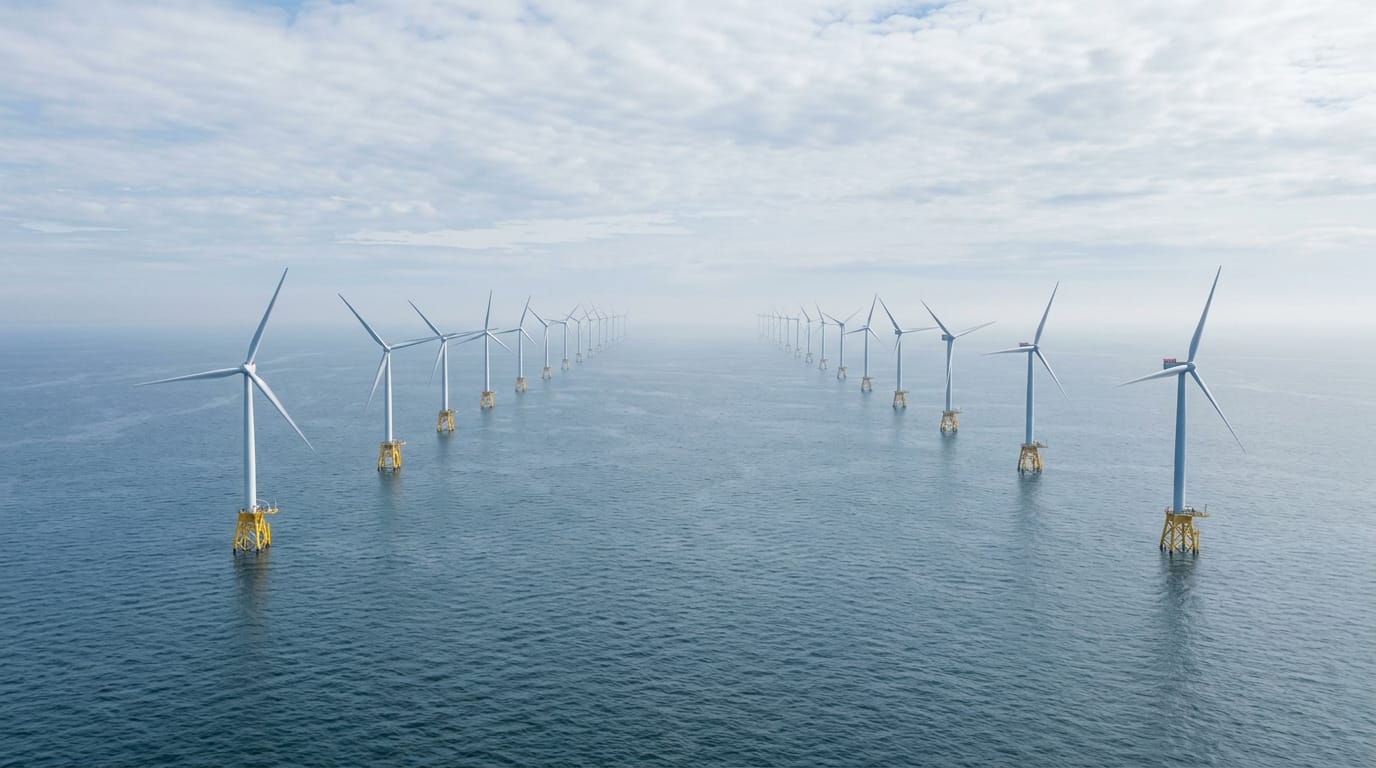
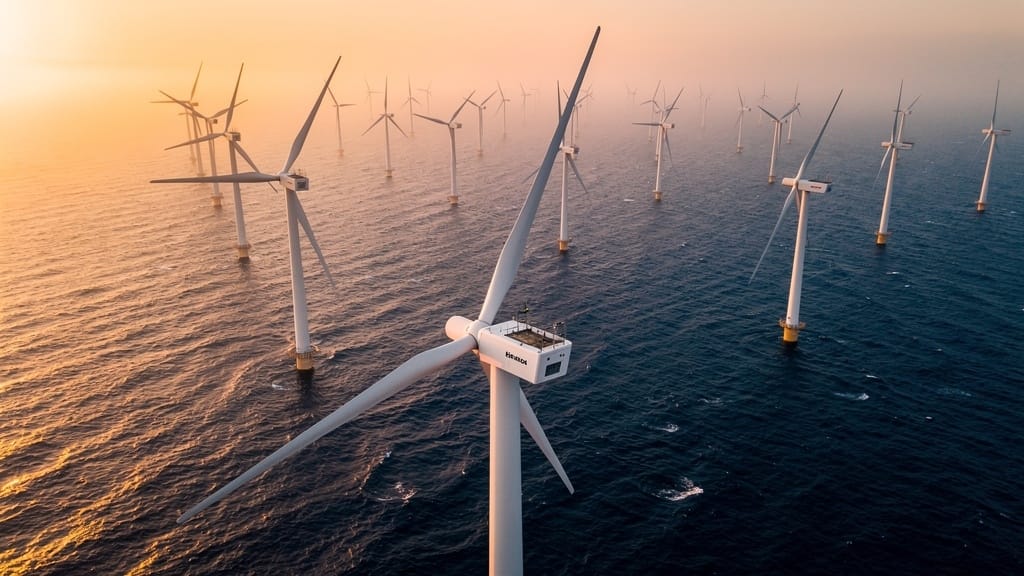
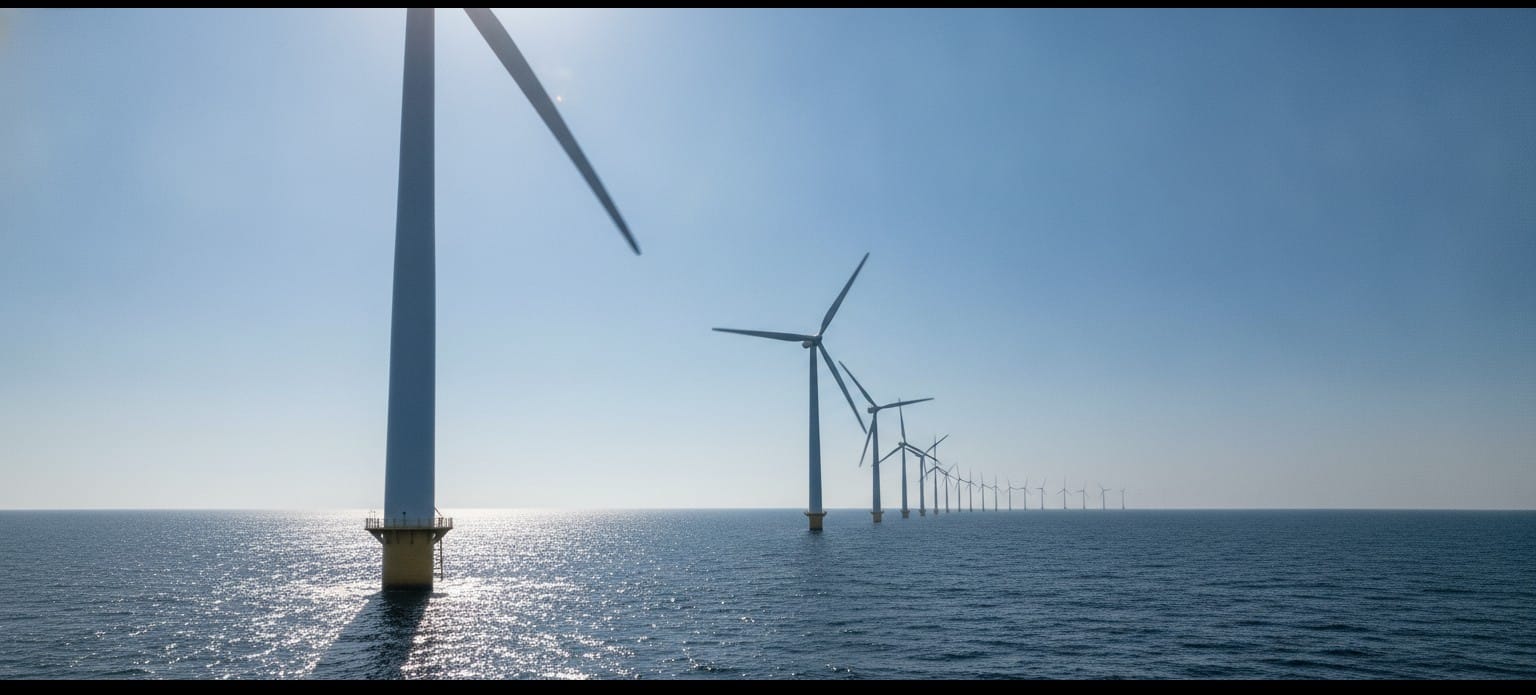
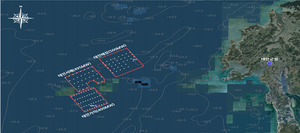
South Korea's Ministry of Trade, Industry and Energy (MOTIE) has issued a conditional designation for a significant offshore wind power complex, with a generation capacity of up to 1.4GW, situated off the coast of Taean. This designation marks a crucial step in the project's development, allowing it to proceed with detailed environmental impact assessments and secure grid connection permits. It signifies a move forward in South Korea's efforts to expand its renewable energy portfolio and meet growing electricity demand.
Read original article from: TodayEnergy
Background and Context
The conditional designation system in South Korea is a critical regulatory milestone for offshore wind projects, typically granted by MOTIE. It precedes the final electricity business license and signifies that a project has met preliminary requirements, including securing development rights and demonstrating technical feasibility. This system aims to streamline the complex permitting process, which has historically been a major bottleneck for offshore wind development in Korea.
Projects must secure a conditional electricity business license before conducting detailed environmental impact assessments, obtaining marine use permits, and negotiating grid connection agreements with Korea Electric Power Corporation (KEPCO). The Taean project, like many others, faces the challenge of navigating multiple government agencies, including the Ministry of Oceans and Fisheries (MOF) for marine space use and local governments for onshore infrastructure. The process often involves extensive stakeholder engagement, particularly with local fishing communities, whose consent is crucial for project viability. This multi-layered regulatory framework, while designed to ensure thorough evaluation, often leads to prolonged development timelines compared to other leading offshore wind markets.
Insight and Outlook
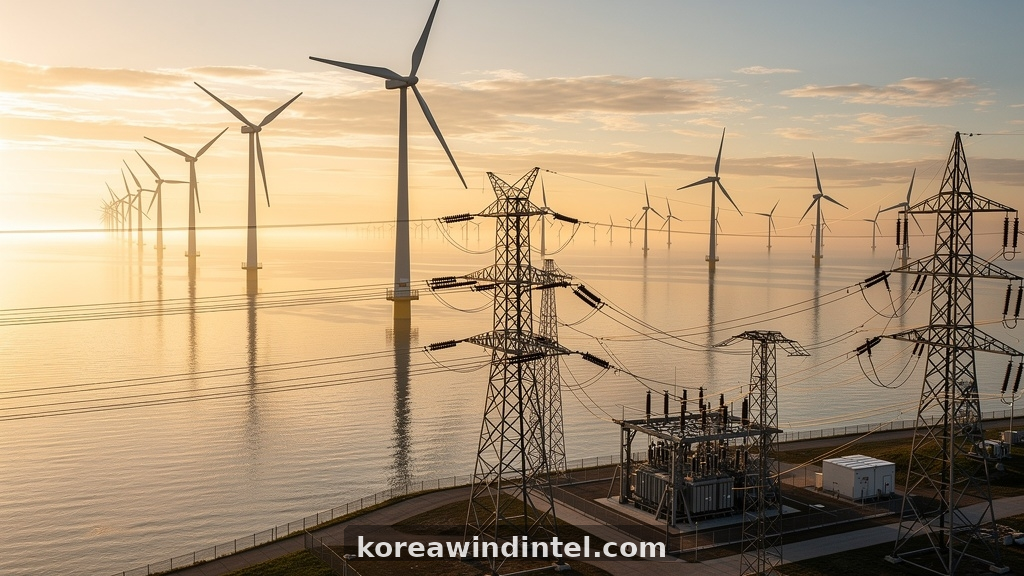
This conditional designation for the Taean complex offers a clearer pathway for the project, potentially de-risking it for international developers and investors eyeing the Korean market. However, significant hurdles remain, primarily concerning grid connection and securing final environmental permits. Korea's grid infrastructure, particularly in coastal areas, requires substantial upgrades to accommodate large-scale offshore wind capacity, and KEPCO's investment plans are a key watch point. Furthermore, ongoing consultations with local fishing communities and ensuring their buy-in will be critical to avoid delays.
Investors should monitor the progress of environmental impact assessments and the specific terms of grid connection agreements. The success of projects like Taean will also depend on the evolution of Korea's power purchase agreement (PPA) structure, ensuring bankability for large-scale investments. This event underscores the slow but steady progress in Korea's offshore wind sector, highlighting the need for continued policy clarity and regulatory efficiency to accelerate deployment.
Project Overview
| Field | Detail |
|---|---|
| Project Name | Taean Offshore Wind Complex |
| Developer(s) | N/A |
| Location | Off the coast of Taean, South Chungcheong Province |
| Total Capacity (MW) | Up to 1400 MW |
| Water Depth | N/A |
| Distance from Shore | N/A |
| Foundation Type | N/A |
| Turbine Model | N/A |
| Number of Turbines | N/A |
| Grid Connection Point | N/A |
| PPA / Offtake | N/A |
| Environmental Permit Status | Conditional designation granted, awaiting detailed environmental impact assessment |
| Construction Start (planned) | N/A |
| COD (planned) | N/A |
This brief is prepared for informational purposes only. It is based on publicly available sources and AI-assisted analysis. It does not constitute investment advice. Readers should conduct their own due diligence before making any decisions.