Executive Insight
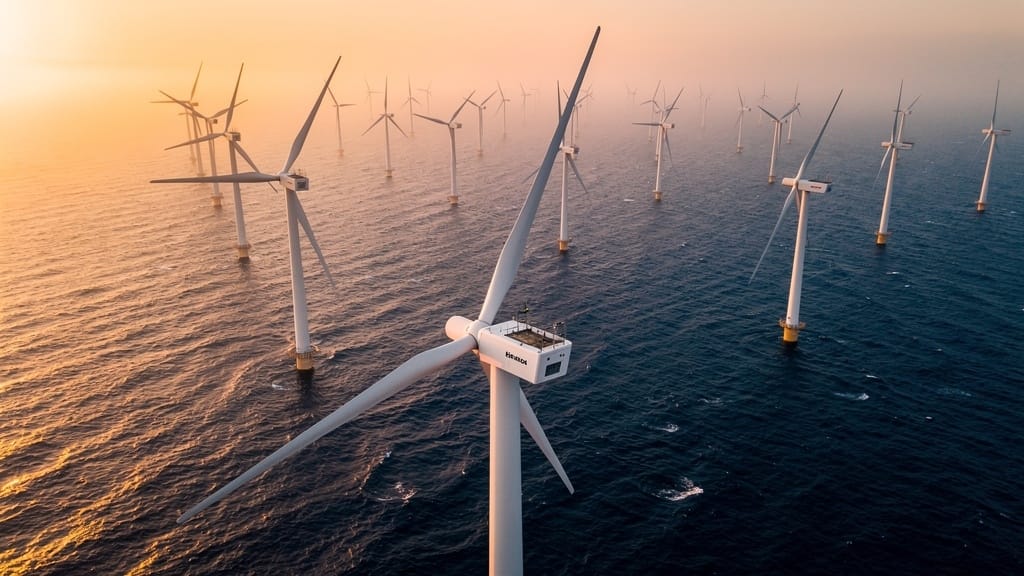
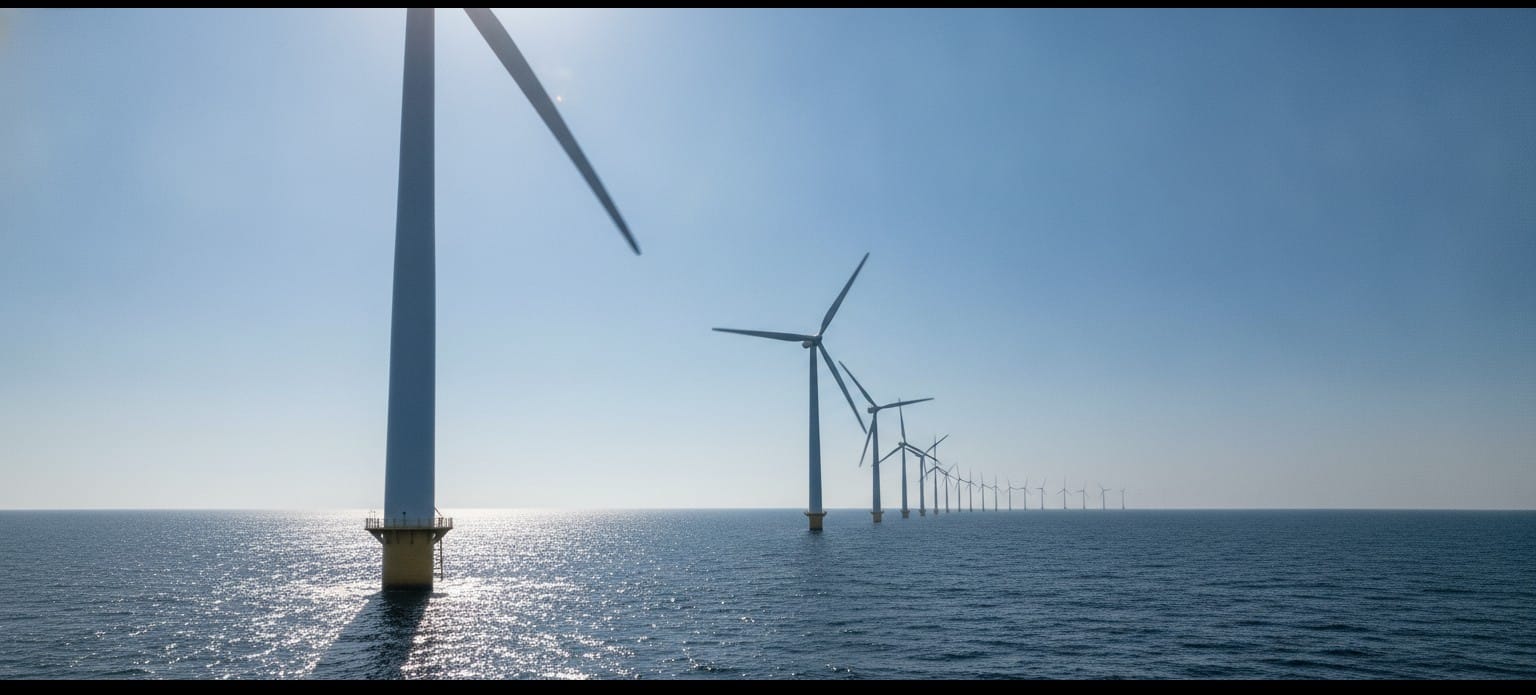
South Korea’s conditional designation of an 11GW offshore wind power cluster is a meaningful step toward formalizing large-scale generation zones—an issue that has repeatedly constrained project bankability in the market. While “conditional” status indicates that key requirements (typically including grid connection, marine spatial planning, environmental review, and stakeholder consultations) are not yet fully cleared, the signal matters: it helps developers and financiers evaluate whether a region is moving from speculative pipeline to investable development.
For international investors and offshore wind developers, cluster-based zoning can reduce early-stage risk by improving visibility on permitting sequencing and by enabling shared infrastructure planning (ports, O&M bases, and potentially collective transmission solutions). If the designation is followed by transparent milestones and a credible grid build-out plan, it may lower the cost of capital by reducing uncertainty around curtailment risk and connection timing—two factors that have weighed on Korean offshore wind valuations. Conversely, if conditions are open-ended or tied to unclear local acceptance processes, timelines could remain unpredictable, limiting the near-term conversion of pipeline into financial close.
The mention of offshore wind testing plans is strategically important for the supply chain. A clearer test-and-certification pathway can accelerate localization of components (foundations, cables, substations, and installation vessels) and improve technology readiness for Korea-specific conditions such as typhoons and complex seabed characteristics. For overseas OEMs and EPC players, this suggests a growing opportunity to partner with Korean yards, cable makers, and port operators—but also raises the bar on compliance, testing data, and local qualification. In the near term, stakeholders should watch for follow-on announcements clarifying the conditions attached to the designation, how the cluster maps to auction/CFD structures, and whether grid and port investments are synchronized with the proposed development cadence.