What This Story Is About
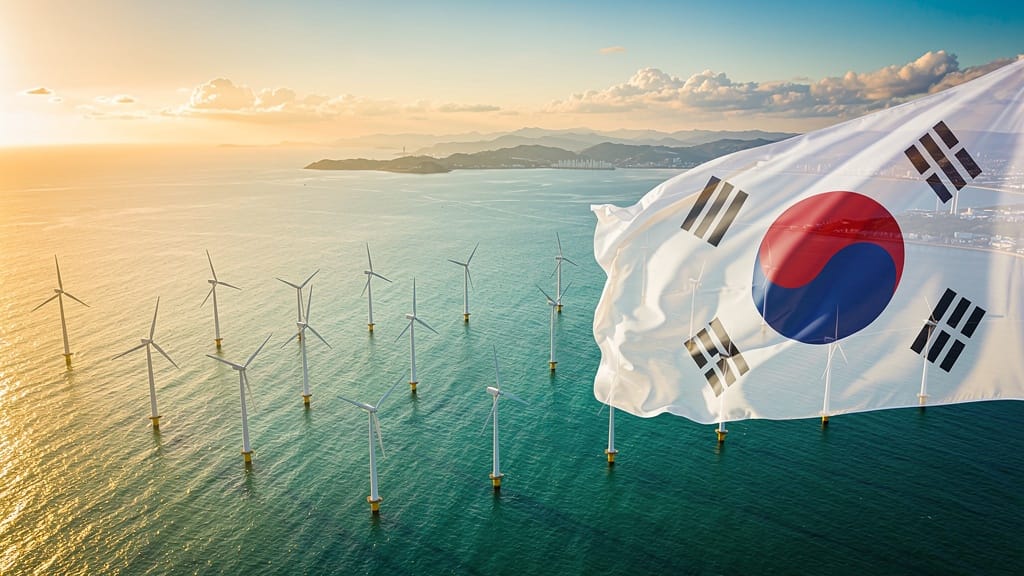
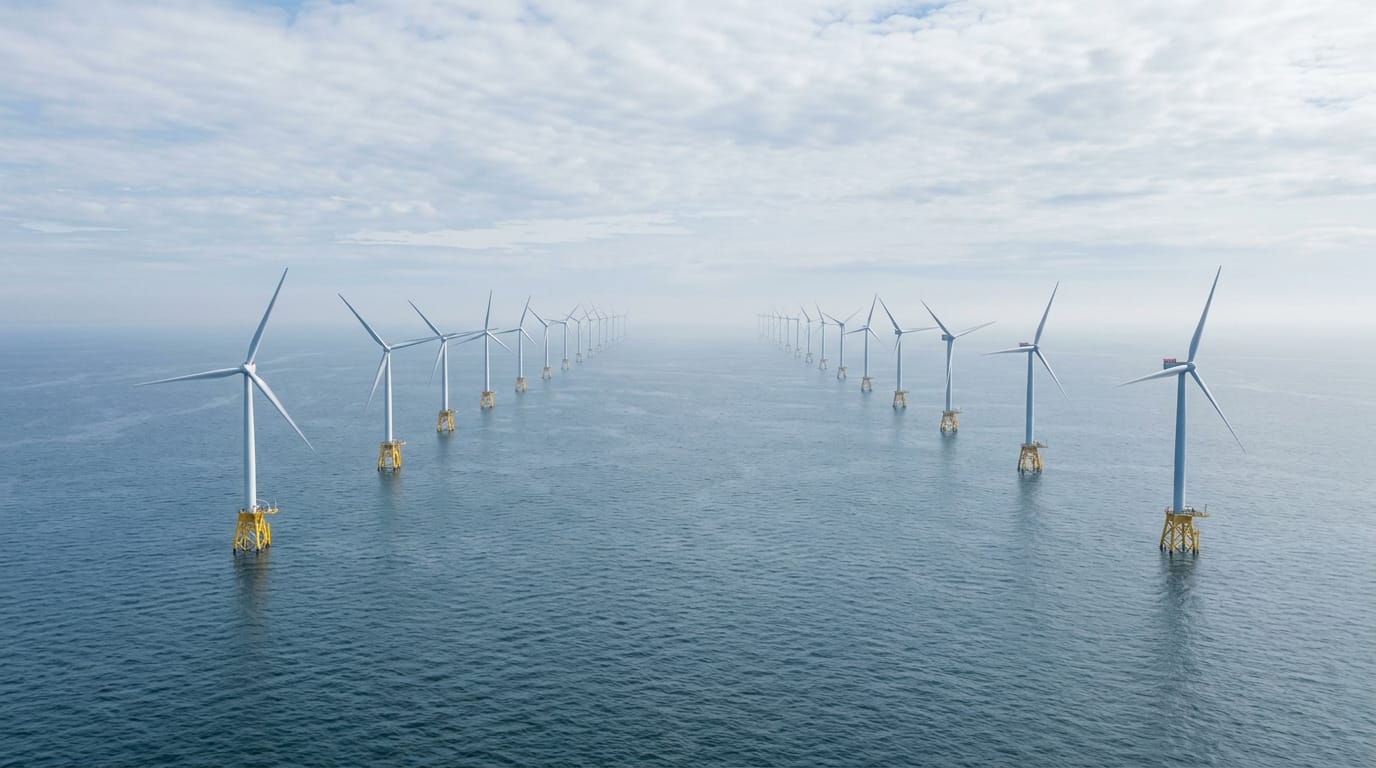
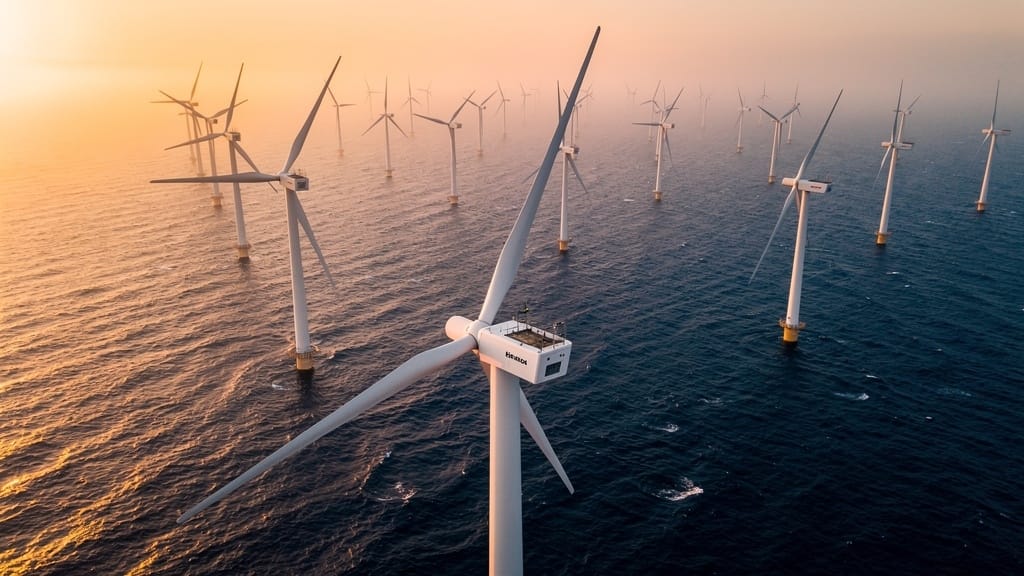
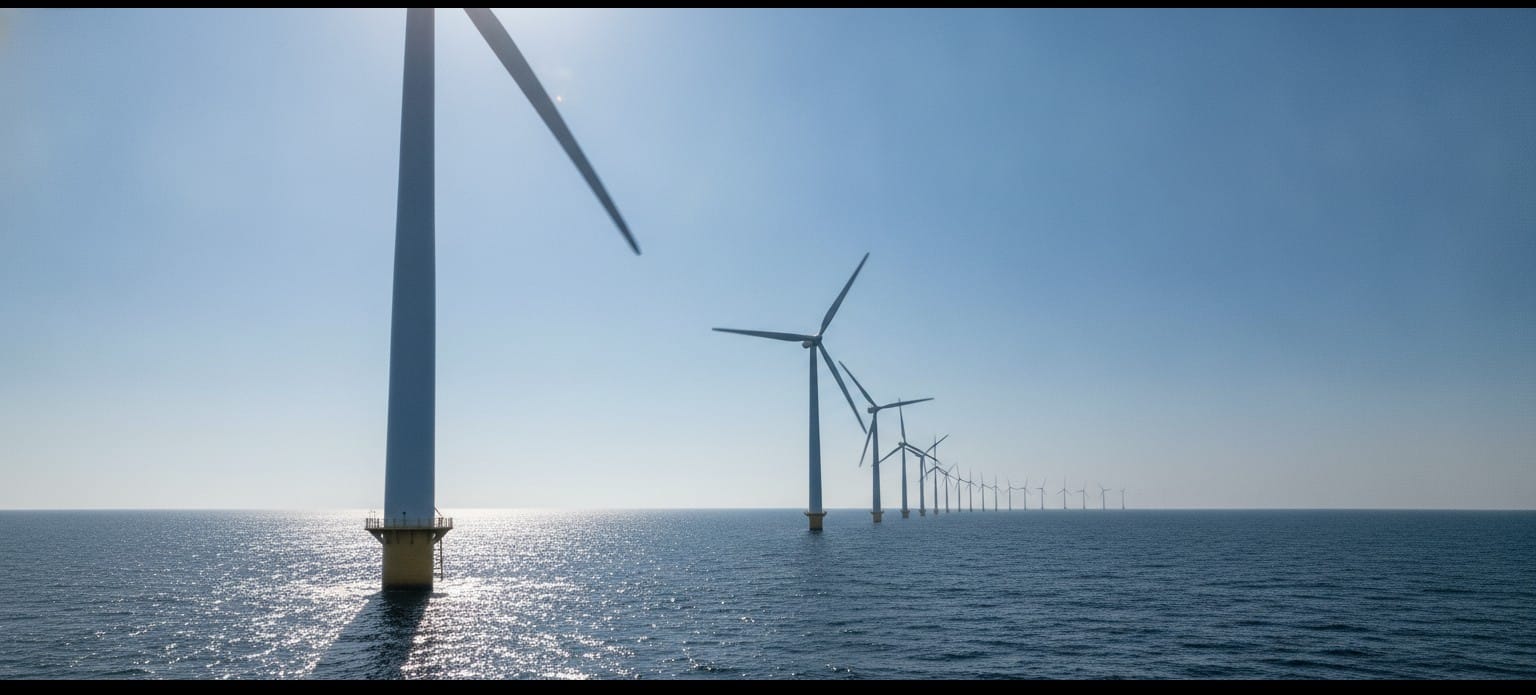
South Korea is actively scaling up its investment in the offshore wind sector, aiming to leverage its abundant coastal wind resources and significantly accelerate the expansion of its renewable power generation. This strategic push is designed to foster new project development and strengthen the nation's clean energy infrastructure, addressing both energy security and climate goals.
Read original article from: web
Background and Context
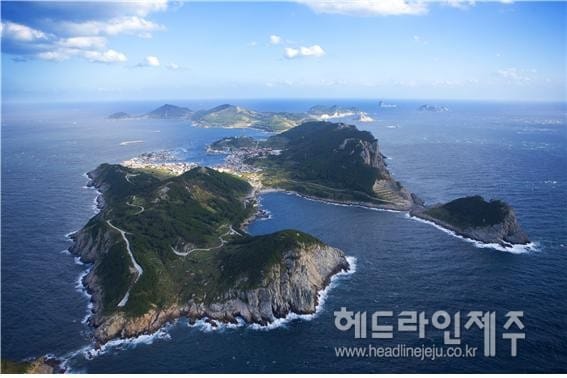
South Korea's renewed focus on offshore wind investment stems from its revised energy policy under the Yoon administration, which aims for a substantial increase in renewable energy's share of the power mix, targeting 21.6% by 2030 and 30.2% by 2036. The country's unique geography, with extensive coastlines and relatively shallow waters in certain areas, presents significant potential for large-scale offshore wind development. Historically, the sector has faced considerable challenges, including fragmented and complex permitting processes involving multiple ministries (e.g., MOTIE for project approval, MOF for fisheries, MOIT for maritime traffic, MEE for environmental impact), often leading to delays. Opposition from fishing communities, concerned about livelihood impacts, and persistent grid connection bottlenecks have also hindered progress. Early projects like the Tamra Offshore Wind Farm (30MW), completed in 2017, demonstrated technical feasibility but underscored the urgent need for streamlined regulatory frameworks and improved stakeholder engagement. The government's 'Offshore Wind Power Promotion Roadmap' and recent legislative efforts to introduce a 'Special Act for Offshore Wind' are designed to consolidate permitting authority, facilitate grid access, and provide clearer, more stable investment signals. This strategic investment is crucial for overcoming existing hurdles and positioning Korea as a significant player in the global offshore wind market, moving beyond a heavy reliance on fossil fuel imports and nuclear power to achieve ambitious carbon neutrality targets by 2050.
Insight and Outlook
This increased investment signals a critical shift towards creating a more favorable and predictable environment for international developers, investors, and suppliers. Key implications include the potential for significant simplification of the fragmented permitting regime and accelerated development of essential grid infrastructure, both of which have historically deterred foreign direct investment. However, significant risks remain, particularly regarding the finalization and effective implementation of the proposed Special Act, which is crucial for reducing project development timelines from over a decade to a more competitive timeframe and enhancing overall project bankability. Investors should closely monitor legislative progress in the National Assembly and the specific outcomes of upcoming grid expansion plans, especially those related to high-voltage direct current (HVDC) lines necessary for connecting large-scale offshore wind clusters to the mainland grid. The systemic challenge lies in balancing rapid deployment targets with robust local content requirements and ensuring equitable benefit sharing with coastal communities, whose support is vital for project success. For this investment push to deliver tangible results, clear, consistent policy signals, adequate financial incentives, and a proactive domestic supply chain development strategy are essential to attract and retain global expertise and capital, fostering sustainable growth within the sector.
This brief is prepared for informational purposes only. It is based on publicly available sources and AI-assisted analysis. It does not constitute investment advice. Readers should conduct their own due diligence before making any decisions.