What This Story Is About
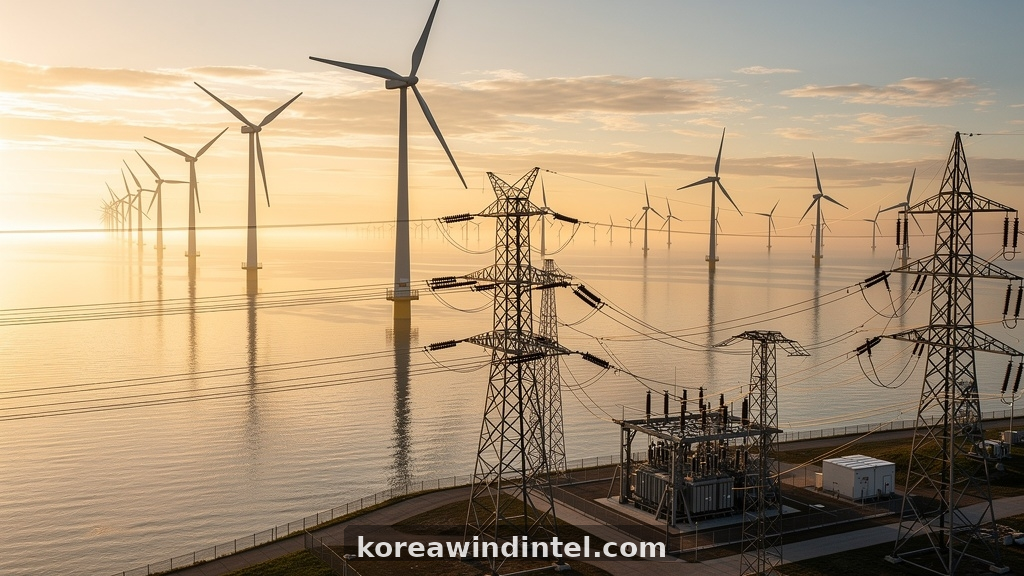
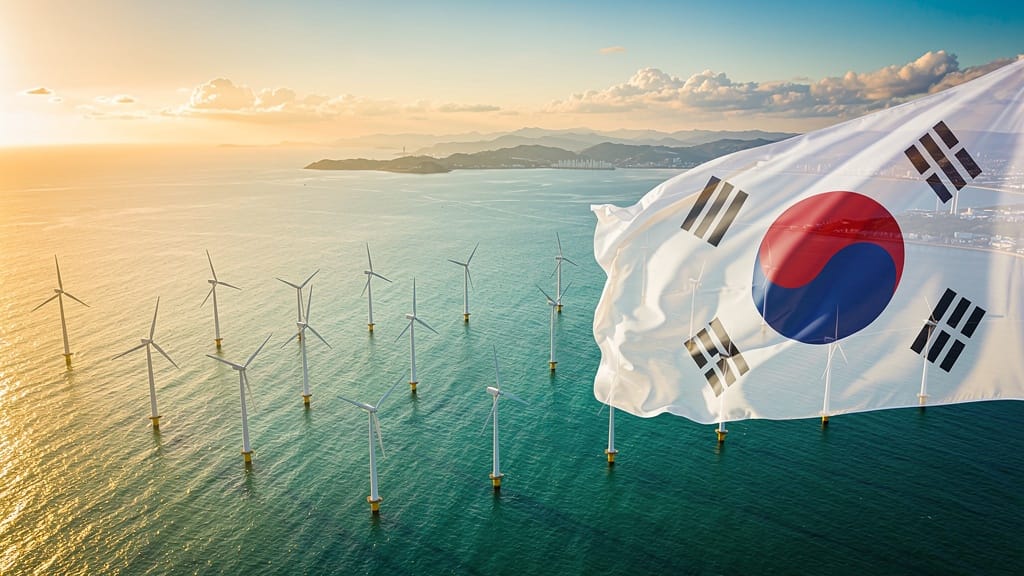
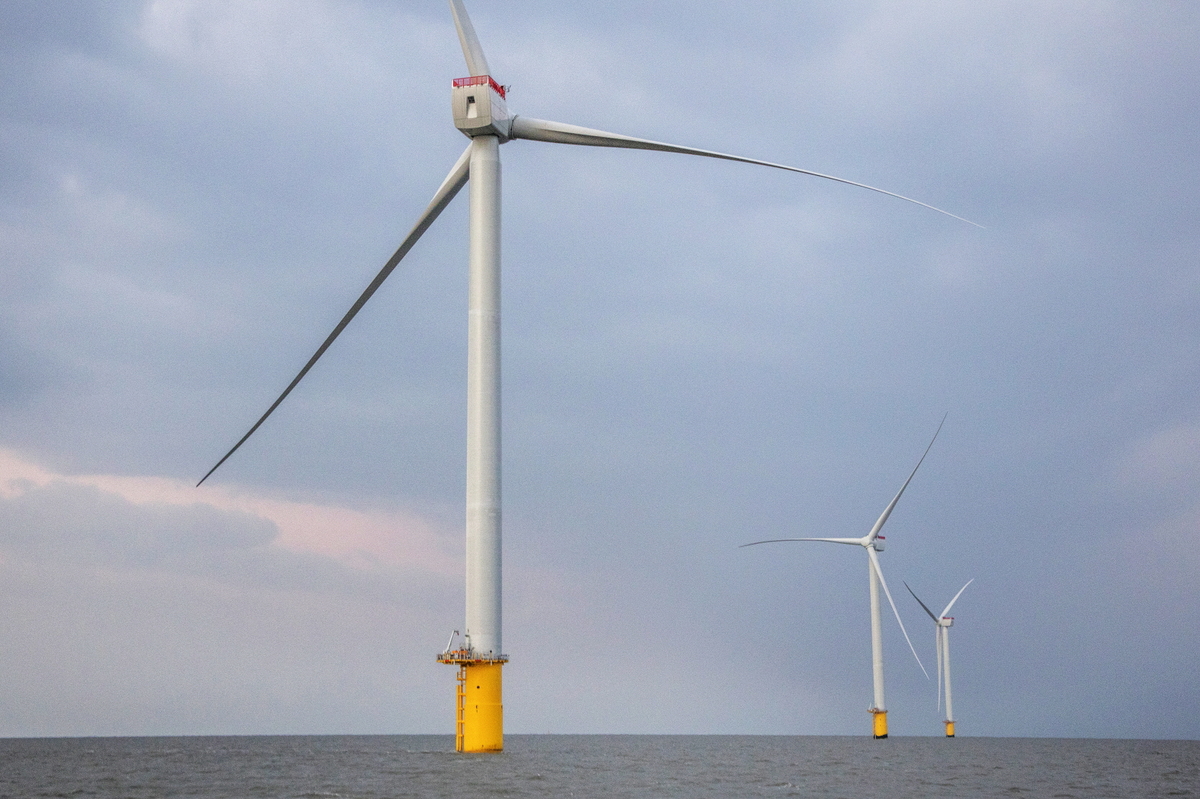
South Jeolla Province has officially been designated as a 7.3GW offshore wind hub, a move poised to significantly accelerate the development of two major projects: the 3.7GW Shinan and 3.6GW Jindo offshore wind farms. This strategic designation by the South Korean government is expected to usher in a new era of large-scale growth for the nation's offshore wind sector, attracting substantial investment and establishing the region as a critical center for renewable energy production and industrial development.
Read original article from: SEDaily
Background and Context
South Jeolla Province has long been identified as a prime location for offshore wind development due to its extensive coastline, shallow waters, and robust wind resources. However, the realization of its vast potential has historically been hampered by a fragmented and complex regulatory framework, lengthy permitting processes, and challenges in securing grid connections. Projects have also faced significant local stakeholder opposition, particularly from fishing communities concerned about impacts on their livelihoods.
The designation of South Jeolla as a 7.3GW offshore wind hub reflects a strategic shift by the South Korean government, primarily led by the Ministry of Trade, Industry and Energy (MOTIE), to consolidate development efforts and streamline procedures. This initiative aims to overcome the previous project-by-project approval system, which often led to delays stretching over a decade, by establishing designated development zones. The goal is to create a more predictable and investor-friendly environment, aligning with Korea's ambitious targets of deploying 14.3 GW of offshore wind by 2030 and 34 GW by 2034. This move is a crucial step towards implementing a more strategic, zone-based approach to offshore wind development, similar to models seen in leading European markets.
Insight and Outlook
This designation provides a critical signal of governmental commitment, potentially de-risking investments for international developers, investors, and suppliers. By consolidating development into a designated hub, it aims to streamline the notoriously complex and fragmented permitting process, which has historically deterred foreign capital. However, significant challenges remain. Investors must closely watch for concrete actions on grid infrastructure upgrades, as the existing grid capacity in South Jeolla is insufficient for 7.3GW, and transmission line development often faces its own set of community opposition.
Furthermore, while the hub approach aims to mitigate local opposition, robust community engagement and benefit-sharing mechanisms for fishing communities will be crucial for project success. Future milestones include the announcement of specific grid connection plans, detailed permitting guidance for projects within the hub, and potential government support mechanisms to attract supply chain investments. The success of this hub model will serve as a critical test for Korea's ability to transition from ambitious targets to tangible project delivery, demonstrating whether a centralized approach can truly overcome the systemic hurdles of grid constraints and local stakeholder buy-in.
| Project Name | Developer(s) | Location | Total Capacity (MW) | Water Depth | Distance from Shore | Foundation Type | Turbine Model | Number of Turbines | Grid Connection Point | PPA / Offtake | Environmental Permit Status | Construction Start (planned) | COD (planned) |
|---|---|---|---|---|---|---|---|---|---|---|---|---|---|
| Shinan Offshore Wind | Various | Shinan-gun, South Jeolla | 3700 | N/A | N/A | N/A | N/A | N/A | N/A | N/A | Under development | N/A | N/A |
| Jindo Offshore Wind | Various | Jindo-gun, South Jeolla | 3600 | N/A | N/A | N/A | N/A | N/A | N/A | N/A | Under development | N/A | N/A |
This brief is prepared for informational purposes only. It is based on publicly available sources and AI-assisted analysis. It does not constitute investment advice. Readers should conduct their own due diligence before making any decisions.