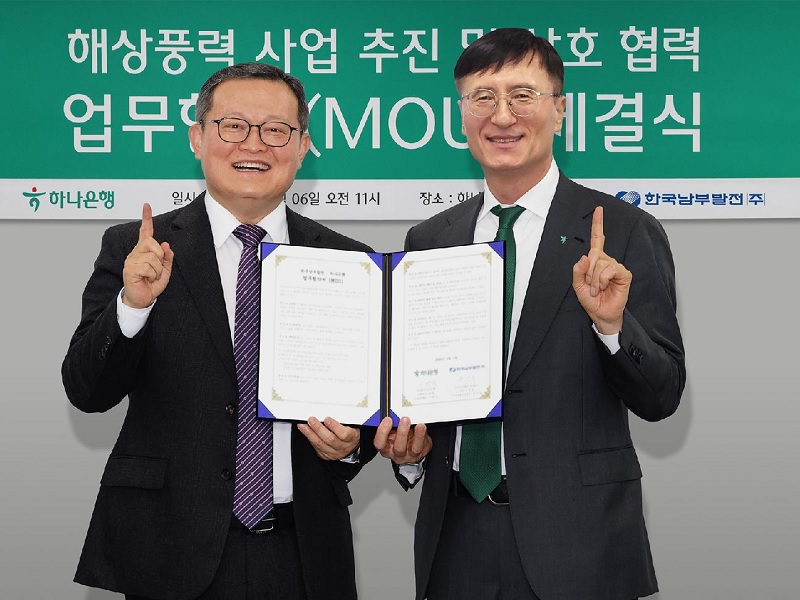
What This Story Is About
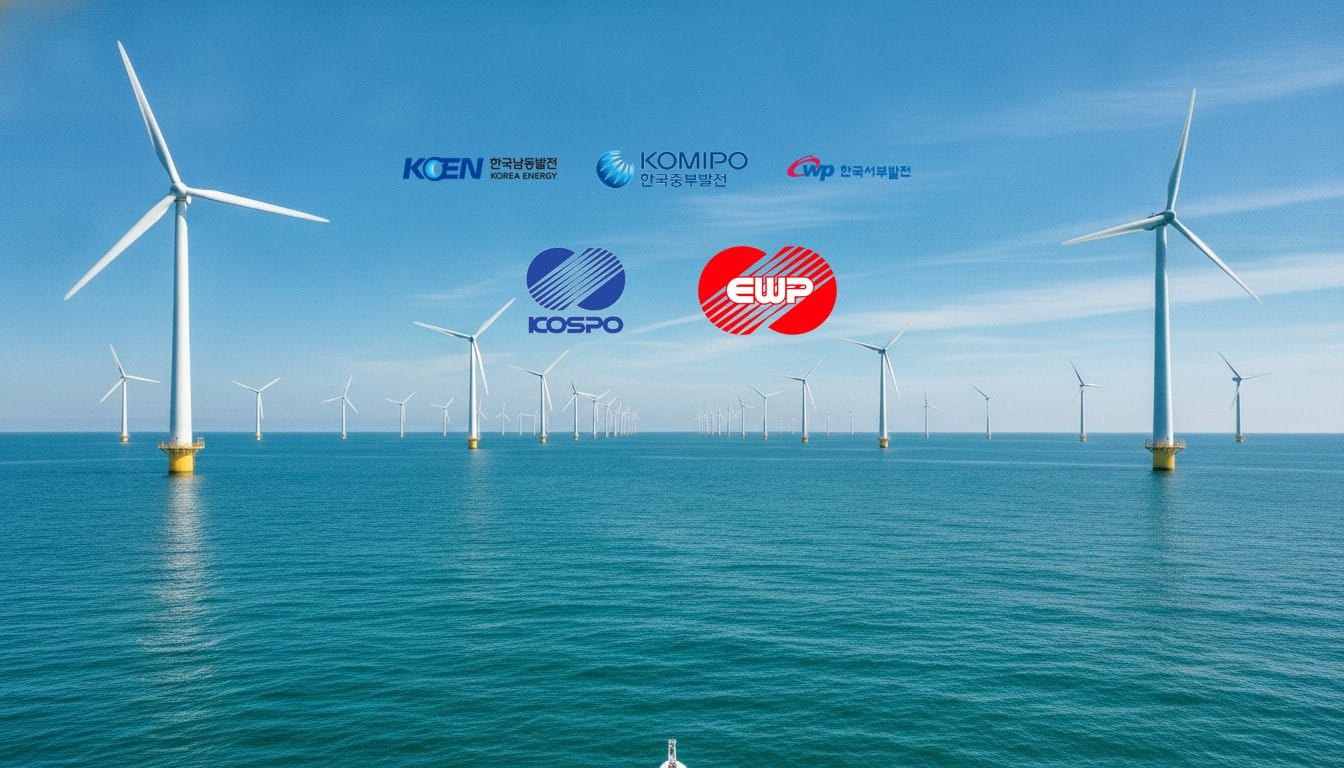
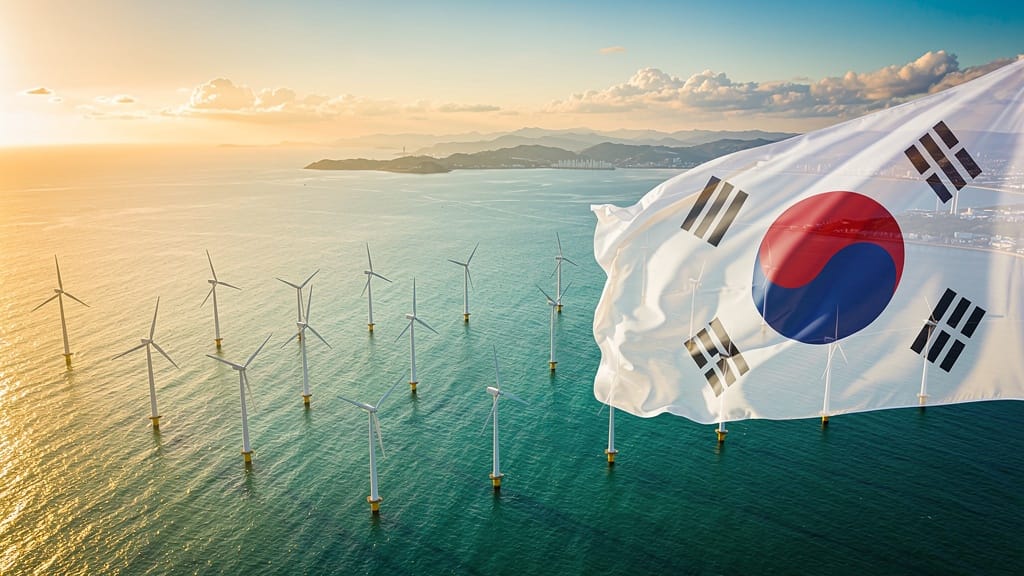
Korea Southern Power (KOSPO), a state-owned generation company, signed an agreement on March 9, 2026 with KEB Hana Bank to jointly develop offshore wind projects. While the announcement did not disclose project names or capacities, the intent is clear: align a strategic developer-offtaker candidate with a major domestic lender to strengthen bankability, improve financing readiness, and accelerate near-term development work such as site studies, permitting, and commercial structuring. The immediate significance is that one of Korea’s public generators is formalising a financing channel at a time when project delays are increasingly linked to capital structure and risk allocation rather than resource quality.
Background and Context
In Korea, the constraint on offshore wind execution has often been less about announcing multi-gigawatt pipelines and more about converting early-stage rights into financeable projects. Developers—both domestic IPPs and foreign-led consortia—have repeatedly encountered a similar set of friction points: protracted permitting and consultations with fisheries, grid connection uncertainty and curtailment risk, and revenue structures that can be difficult for lenders to underwrite without robust offtake and clear change-in-law protections. Against that backdrop, KOSPO’s decision to sign a cooperation agreement with Hana Bank reads as a move to bring the financing conversation forward in the development timeline rather than treating it as a late-stage step after permits are largely secured.
KOSPO is not a pure-play offshore wind developer; its strategic advantage is its position in Korea’s power ecosystem—experience as a generator, credibility with public-sector stakeholders, and potential roles in offtake, balance-sheet support, or consortium leadership. For commercial banks, lending to offshore wind in Korea requires a view on how risk will be shared among sponsors, EPC and turbine suppliers, and ultimately buyers of electricity or certificates. A partnership with a public generator can de-risk parts of that equation, particularly around counterparties and governance, even if it does not solve permitting or grid bottlenecks on its own.
For Hana Bank, the agreement signals competition among Korean financial groups to position themselves as lead arrangers in a sector where deal flow has been slower to reach financial close than headline project counts imply. Offshore wind requires long-tenor capital with carefully structured security packages, and lenders have been cautious when revenue is primarily linked to volatile certificate prices, when construction schedules can slip due to stakeholder disputes, or when supply-chain costs shift after contracts are signed. By aligning early with KOSPO, Hana Bank can shape project structures (for example, the mix of corporate PPA, utility-backed offtake, or certificate-linked revenues), define covenants around development milestones, and potentially syndicate risk more efficiently once projects progress from development to construction.
Insight and Outlook
For international developers, turbine makers, and service providers, the KOSPO–Hana Bank agreement is a targeted signal about where Korea’s market is trying to professionalise: not by adding more project announcements, but by improving financeability and execution discipline. It is directionally positive because it suggests that a public generator is preparing to meet lender requirements earlier—standardising due diligence, clarifying governance, and building repeatable financing templates. However, it is also an ambiguous indicator until it produces concrete outputs such as named projects entering lender-led due diligence, mandate letters for arranging debt, or bankable offtake frameworks that can survive permitting and grid timelines.
The key unresolved questions are practical: which specific projects will be prioritised, what role KOSPO will play (lead sponsor, minority partner, or offtaker), and whether the financing approach will rely on project finance, corporate support, or hybrid structures to bridge development risk. The next milestones to watch are (1) selection or disclosure of initial target projects, (2) appointment of technical and legal advisers for bank due diligence, (3) evidence of grid connection progress and permitting pathway clarity, and (4) any move toward long-term offtake arrangements that reduce exposure to merchant certificate volatility. If the partnership quickly transitions from an MoU-style headline to a measurable financing mandate on a defined project, it would strengthen confidence that Korea’s offshore wind pipeline can move from development rights to buildable assets; if not, it risks becoming another signalling exercise in a market where execution remains the differentiator.
This brief is based on the publicly stated announcement details available at time of publication. Terms, project scope, and timelines may change as the parties disclose further information.