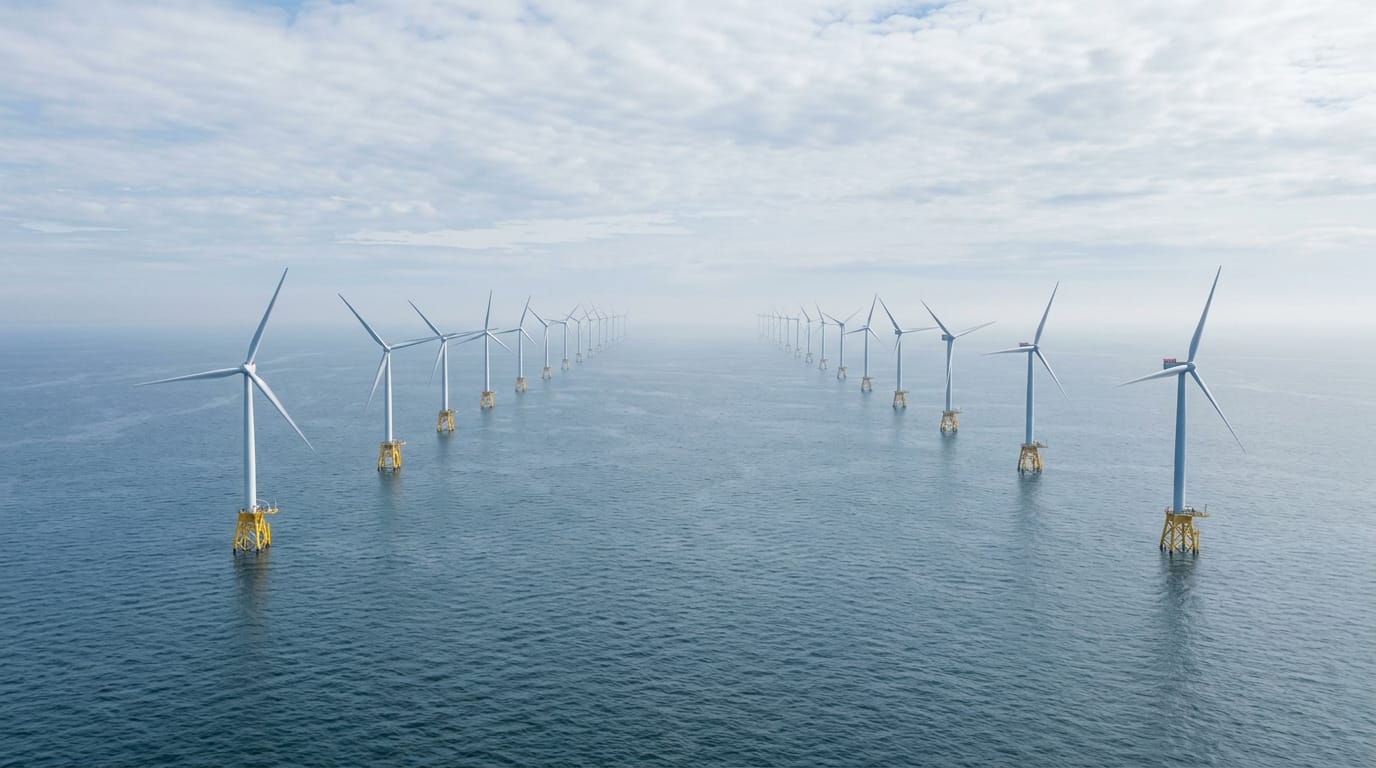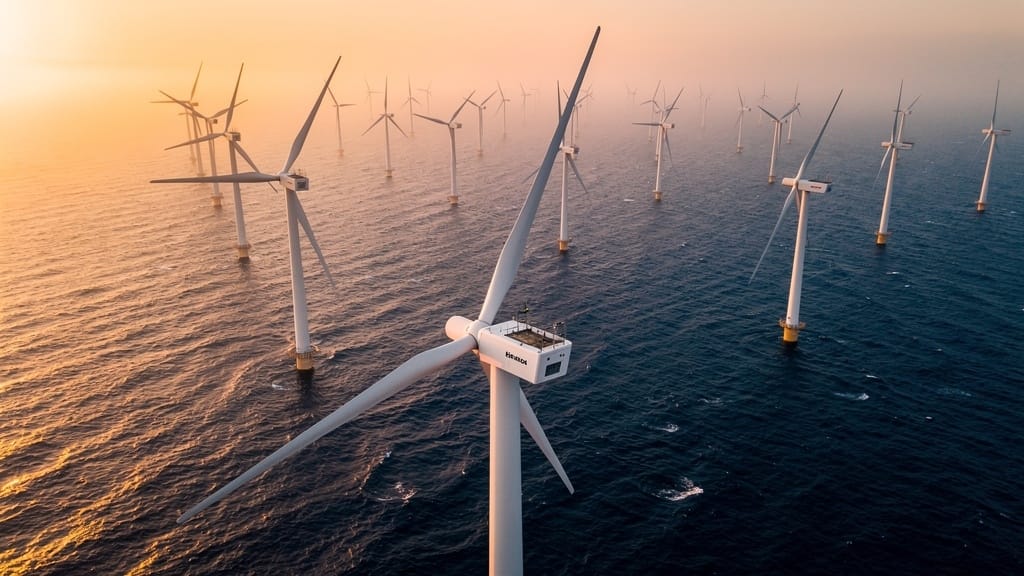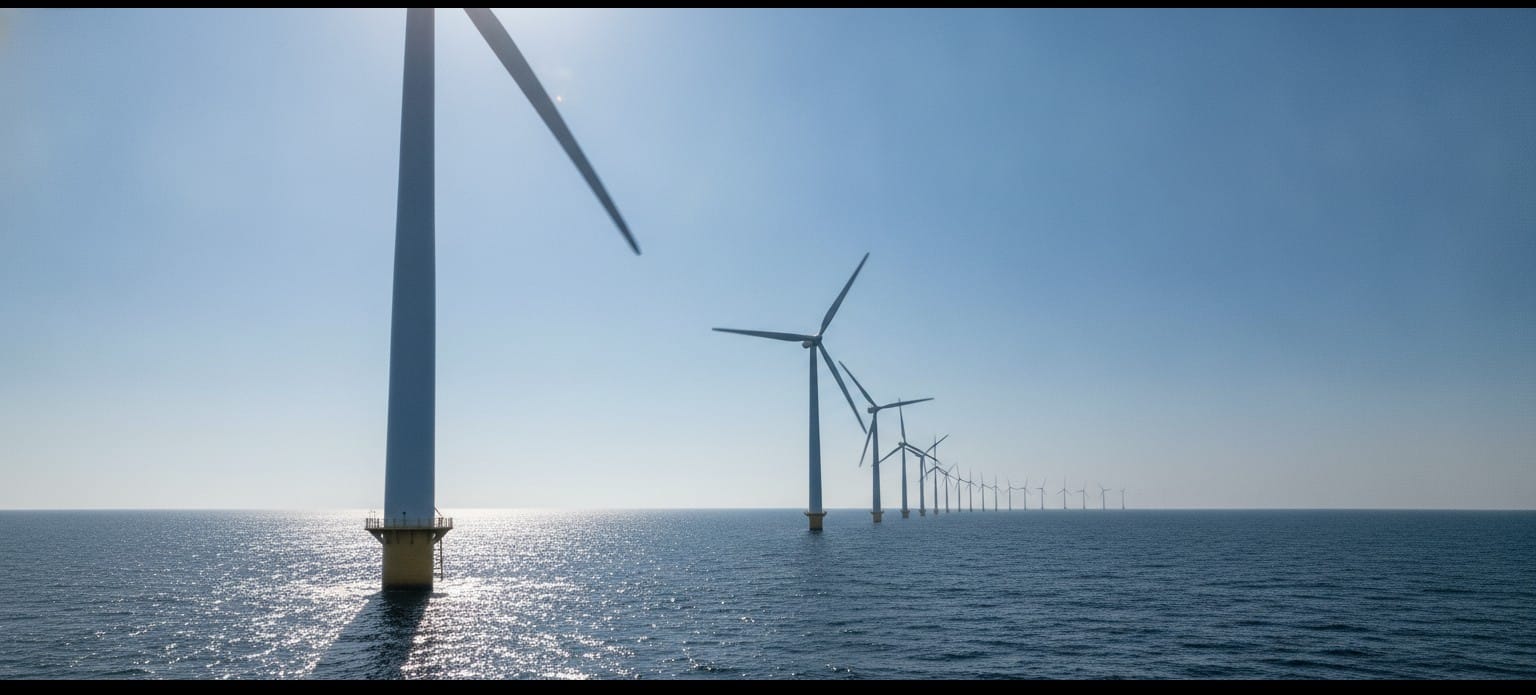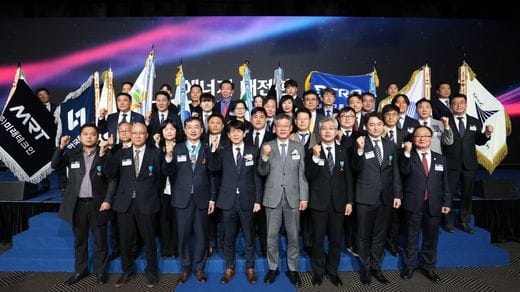
An editorial published in Today Energy highlights the critical need for South Korea to develop its seven planned offshore wind integration complexes with a careful balance of speed and coordination. The piece underscores that successful execution will depend on robust policies and strategic planning to overcome inherent challenges and ensure efficient project delivery. This call comes as Korea pushes to accelerate its renewable energy transition.
Read original article from: Today Energy
Background and Context
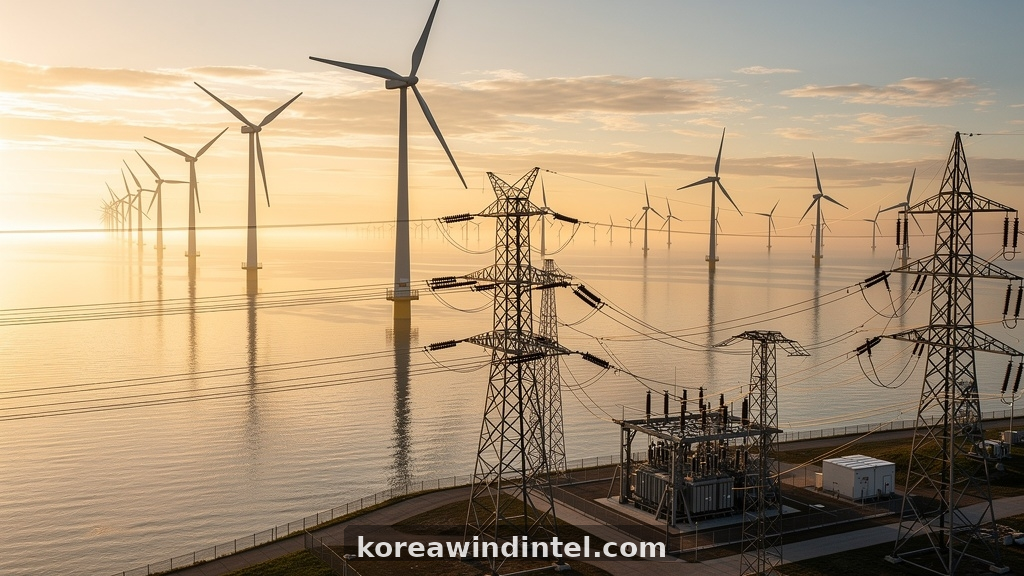
South Korea has identified the development of large-scale offshore wind "integration complexes" as a cornerstone of its renewable energy strategy, aiming to streamline the often-fragmented permitting and grid connection processes. These complexes are envisioned as designated zones where multiple projects can share infrastructure, reducing costs and environmental impact. The concept emerged from persistent challenges faced by individual projects, including lengthy and complex permitting procedures involving multiple ministries (e.g., Ministry of Trade, Industry and Energy (MOTIE), Ministry of Oceans and Fisheries), grid connection bottlenecks, and intense opposition from local fishing communities.
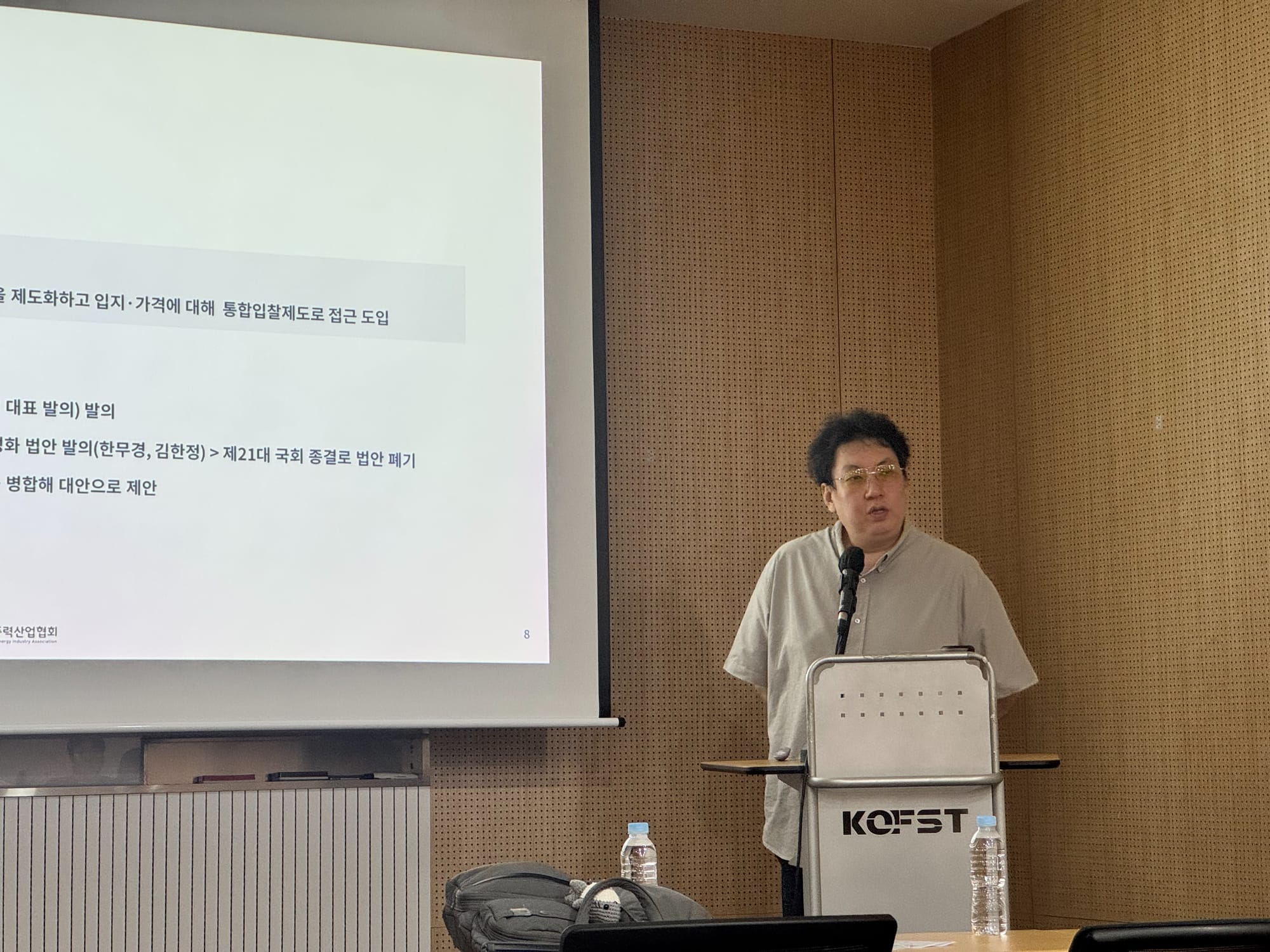
The government, particularly MOTIE, has been working on a special law for offshore wind development to create a "one-stop shop" for permitting and establish clear guidelines for these integrated zones. This approach seeks to accelerate the build-out necessary to meet national carbon neutrality goals, which have been hampered by slow project progress. The emphasis on coordination reflects lessons learned from early projects that struggled with disparate stakeholder interests and a lack of centralized planning, highlighting the need for a more coherent national strategy.
Insight and Outlook
This editorial underscores a fundamental challenge for international developers and investors in Korea: the tension between the government's desire for rapid deployment and the complex realities of integrated, large-scale infrastructure development. For developers, this means navigating a policy landscape that is still evolving, with the success of "integration complexes" heavily reliant on the effective implementation of the proposed special law and clear mechanisms for stakeholder engagement. Key risks include continued permitting delays, potential grid connection bottlenecks even within designated zones, and the need for robust local content requirements that might impact supply chains.
Investors should closely watch the progress of the special law for offshore wind and specific government announcements regarding the designation and operational framework for these seven complexes. The success of this approach will hinge on MOTIE's ability to effectively mediate between ministries, local governments, and fisheries, providing a predictable and stable regulatory environment that balances ambitious targets with practical, coordinated execution. Without this balance, the pace of development may continue to lag behind national aspirations.
This brief is prepared for informational purposes only. It is based on publicly available sources and AI-assisted analysis. It does not constitute investment advice. Readers should conduct their own due diligence before making any decisions.