What This Story Is About
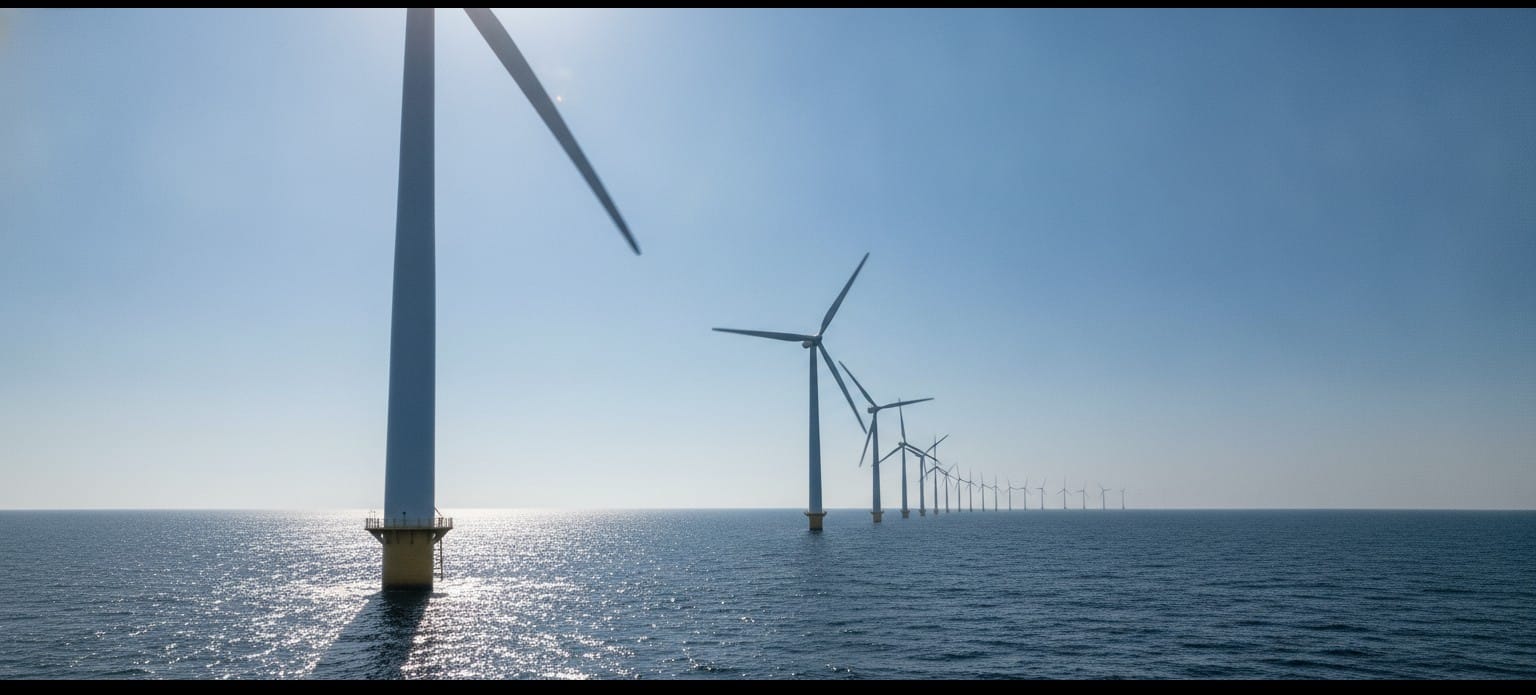
The South Korean government has announced plans to proactively secure sites for offshore wind farm development and streamline the currently fragmented permitting process. The Ministry of Climate is spearheading this initiative, aiming to identify the first preliminary zones for development by the end of 2026. This strategic shift is designed to accelerate project deployment and reduce uncertainties for developers in Korea's nascent offshore wind sector.
Read original article from: Electimes
Background and Context
Korea's offshore wind market has historically been hampered by a complex and lengthy permitting regime, often requiring approvals from over ten different ministries and local governments. This multi-agency approach, lacking a unified coordination body, has led to significant project delays and increased development costs. For instance, obtaining environmental impact assessments, fishing compensation agreements, and grid connection permits can take several years, deterring both domestic and international investors.
Previous discussions around a "one-stop shop" or special legislation, such as the Offshore Wind Power Special Act, have faced political hurdles and stakeholder disagreements, particularly concerning fishing communities and the balance of ministerial powers. This new government initiative marks a pivot from a developer-led, reactive permitting system to a more proactive, government-facilitated approach, where potential sites are pre-screened and designated, potentially reducing the initial regulatory burden on individual projects. This move aligns with global best practices seen in markets like the UK and Denmark, where governments play a more active role in site identification and planning.
Insight and Outlook
This policy shift could significantly de-risk early-stage development for international developers and investors in Korea. By pre-identifying "preliminary zones," the government aims to reduce site-specific survey costs, mitigate conflicts with existing maritime users (like fisheries), and potentially accelerate the environmental assessment process. However, the successful implementation hinges on robust inter-ministerial coordination and effective engagement with local communities and fishing associations.
Key milestones to watch will be the specific criteria used for zone identification, the level of detail provided for these zones, and the legislative or administrative mechanisms introduced to truly streamline permitting within these designated areas. A critical challenge remains the actual integration of these zones into a cohesive grid development plan and ensuring competitive PPA structures that attract investment. Without clear grid connection pathways and stable revenue mechanisms, even pre-approved sites may struggle to reach financial close.
This brief is prepared for informational purposes only. It is based on publicly available sources and AI-assisted analysis. It does not constitute investment advice. Readers should conduct their own due diligence before making any decisions.