What This Story Is About
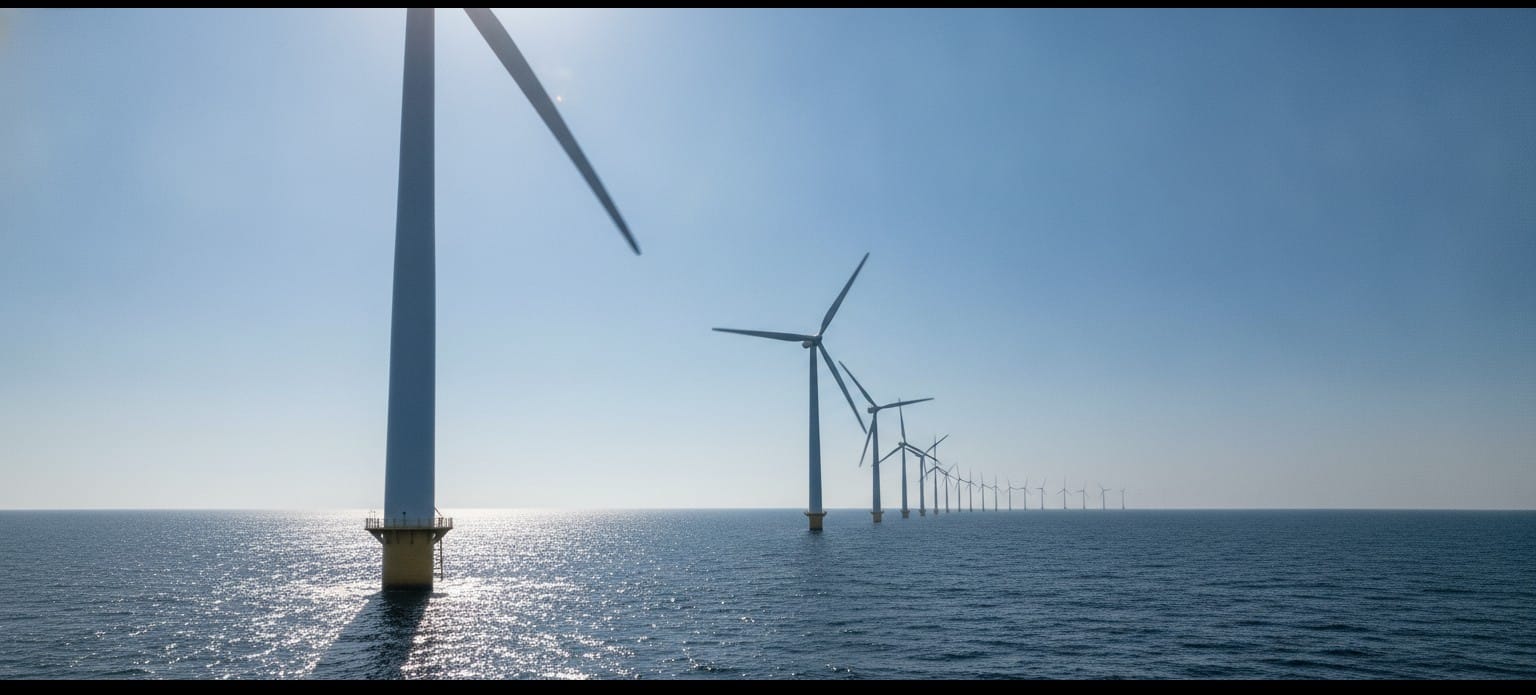
South Korea is set to commence domestic testing of key components for offshore wind power projects. This strategic move aims to significantly reduce the nation's reliance on foreign technologies and suppliers, fostering greater self-sufficiency within the burgeoning Korean offshore wind industry. The initiative is critical for localizing the supply chain and strengthening domestic manufacturing capabilities.
Read original article from: Energy-News.co.kr
Background and Context
South Korea's offshore wind sector has historically grappled with a high dependency on imported key components, particularly for advanced turbine technologies, large-scale foundations, and specialized electrical systems. This reliance has often led to higher project costs, supply chain vulnerabilities, and slower project execution timelines. The Ministry of Trade, Industry and Energy (MOTIE) has long recognized the need to cultivate a robust domestic supply chain to meet the nation's ambitious renewable energy targets and secure industrial competitiveness. Previous efforts have included various R&D grants and incentives for local manufacturers, but a comprehensive domestic testing and certification infrastructure has remained a significant gap. This new initiative addresses that gap, building upon earlier policy discussions around establishing a 'K-Offshore Wind' ecosystem. The move aligns with the government's broader industrial policy to localize critical technologies across strategic sectors, drawing lessons from similar efforts in shipbuilding and automotive industries. This policy is particularly crucial as South Korea plans to expand its offshore wind capacity significantly by 2030, necessitating a stable and cost-effective local supply base.
Insight and Outlook
This shift towards domestic key component testing carries significant implications for both local and international stakeholders. For international developers and suppliers, it signals a potential increase in local content requirements and a greater emphasis on domestic partnerships. While it could create market access barriers for purely foreign-supplied components, it also opens opportunities for technology transfer and joint ventures with Korean manufacturers seeking to meet new certification standards. Key risks include the potential for initial cost inefficiencies in domestic production compared to established global players, and the need to ensure that domestically tested components meet stringent international quality and performance benchmarks. Investors should monitor the establishment and accreditation of these new testing facilities, as well as the specific component categories targeted. Success will hinge on transparent certification processes, competitive domestic manufacturing, and strong collaboration between government, industry, and academia to develop world-class local capabilities.
This brief is prepared for informational purposes only. It is based on publicly available sources and AI-assisted analysis. It does not constitute investment advice. Readers should conduct their own due diligence before making any decisions.