What This Story Is About
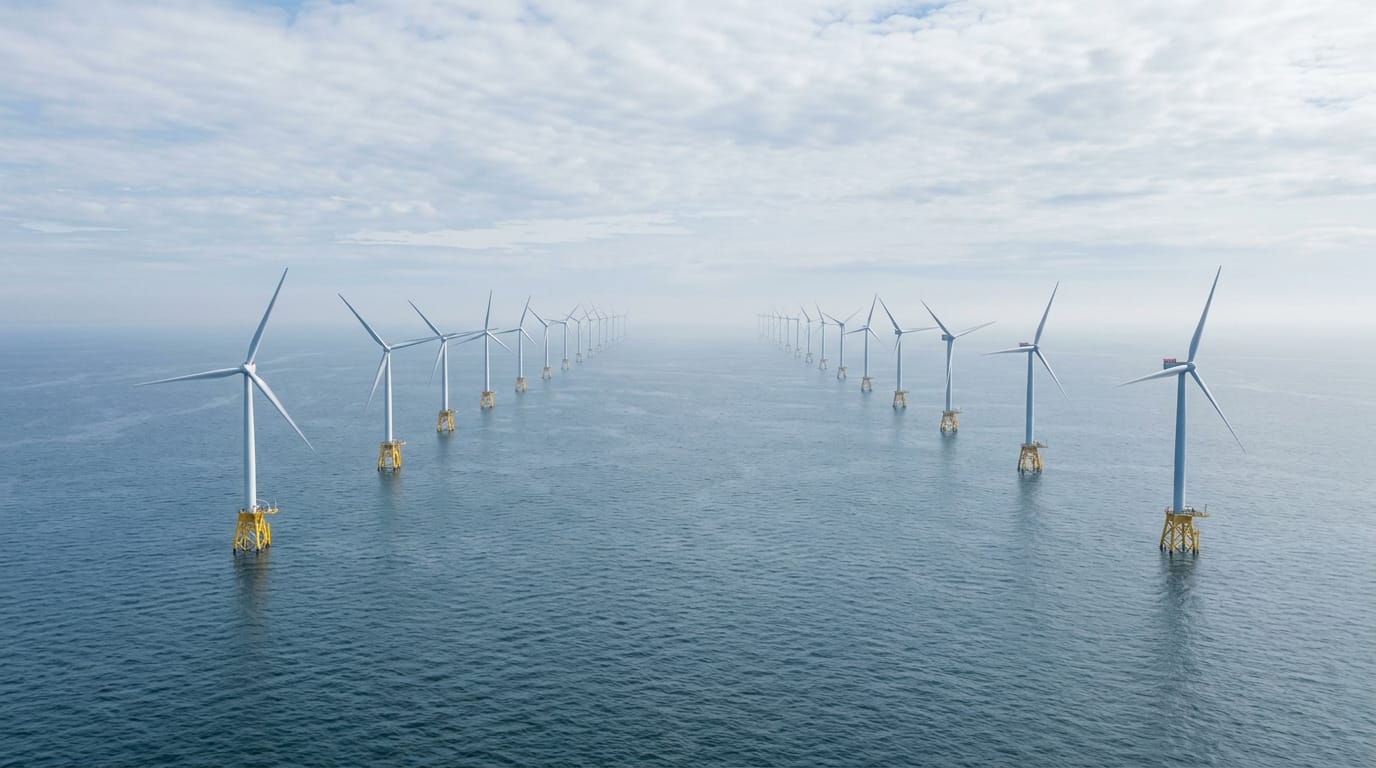
South Korea is preparing to launch competitive bidding for approximately 1.8 GW of offshore wind power capacity during the first half of the year. This significant volume signals the Ministry of Trade, Industry and Energy's (MOTIE) intent to accelerate project development through a structured auction mechanism. The move marks a pivotal shift in the country's renewable energy procurement strategy, aiming to streamline project selection and deployment amidst growing industry interest.
Read original article from: Energy-News.co.kr
Background and Context
For years, South Korea's offshore wind sector has operated primarily under a developer-led model, where projects secured permits and then sought power purchase agreements (PPAs) often through a Feed-in Tariff (FIT) or Contract for Difference (CfD) system. This approach led to numerous projects in various stages of development but often faced protracted delays due to complex permitting processes involving multiple ministries, local community opposition, and grid connection uncertainties.
In response to these challenges and the need for more efficient deployment, the government has been working towards establishing a centralized, competitive bidding system. This initiative follows amendments to the Electricity Business Act (EBA) which laid the groundwork for an auction-based allocation of grid connection rights and PPA contracts. The shift aims to introduce greater transparency, competition, and ultimately, lower electricity costs, aligning Korea's procurement methods more closely with mature offshore wind markets in Europe. The new system is designed to provide developers with clearer pathways and reduce speculative project development by linking grid access to successful auction bids.
Insight and Outlook
The introduction of competitive bidding for 1.8 GW presents both opportunities and challenges for international developers, investors, and suppliers eyeing the Korean market. On one hand, a structured auction provides a clearer framework for securing projects, potentially reducing permitting uncertainties and offering more predictable revenue streams. This could attract a wider range of international players seeking stable investment environments. However, the increased competition will likely drive down prices, demanding highly efficient project designs, robust supply chain strategies, and strong local partnerships to secure competitive bids.
Key risks remain in the form of continued local community engagement challenges, the availability and cost of grid infrastructure, and the potential for regulatory hurdles to persist even within an auction framework. Investors should closely monitor the specific bidding rules, the criteria for project selection, and the government's progress in expanding grid capacity and streamlining the overall permitting process. The success of this 1.8 GW tender will be a crucial indicator of Korea's ability to transition from a policy-heavy, developer-led market to a more mature, competitive, and scalable offshore wind industry.
This brief is prepared for informational purposes only. It is based on publicly available sources and AI-assisted analysis. It does not constitute investment advice. Readers should conduct their own due diligence before making any decisions.