What This Story Is About
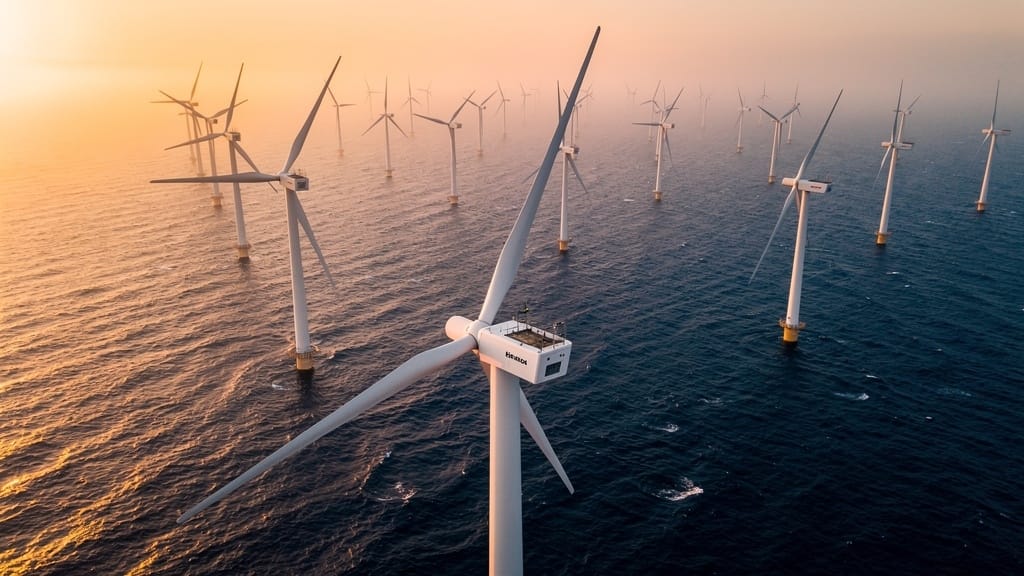
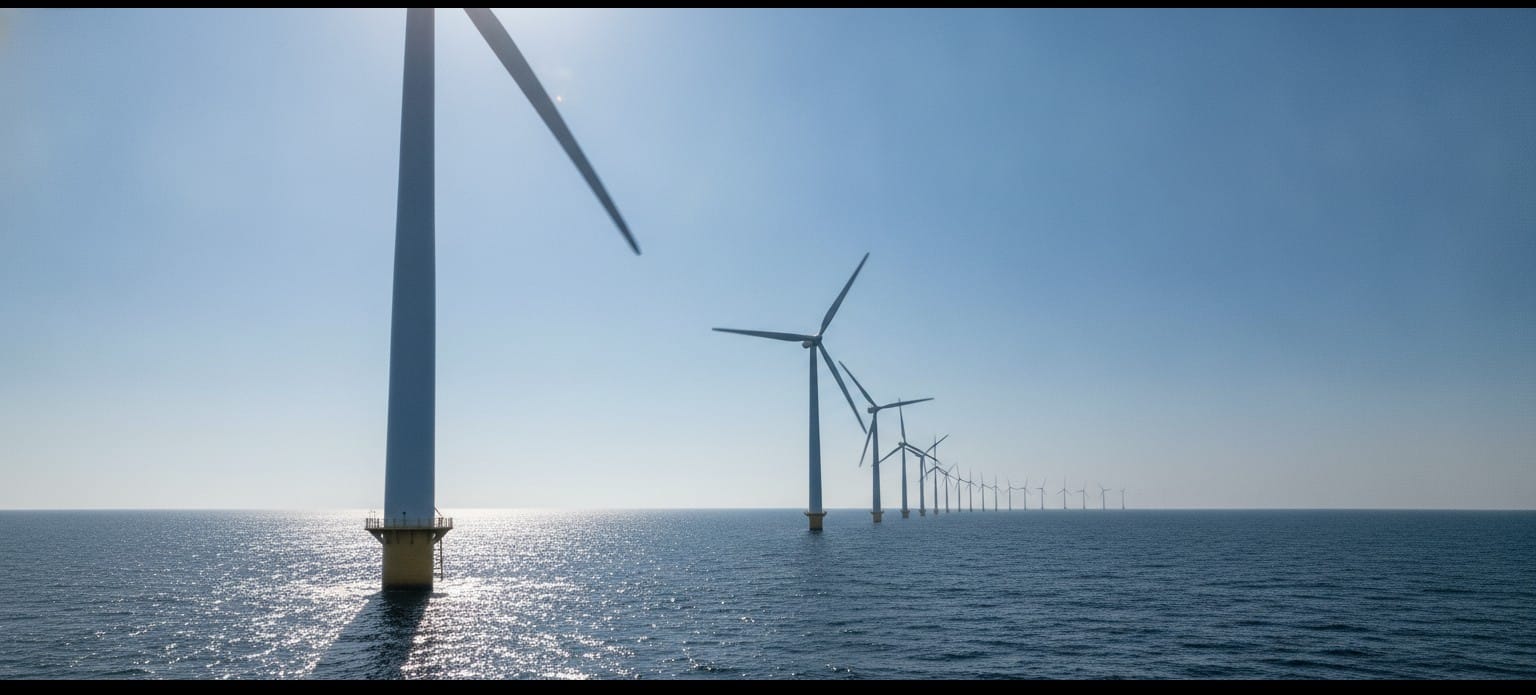
The Offshore Wind Alliance recently highlighted that Korea's initial offshore wind regulations are excessively stringent, leading to project development timelines stretching up to 10 years. The alliance urges the adoption of more flexible regulatory models, drawing parallels with successful frameworks in Taiwan and Denmark, to accelerate the nation's offshore wind energy deployment. This call comes amid growing pressure to streamline development processes.
Read original article from: electimes.com
Background and Context
Korea's current regulatory framework for offshore wind is characterized by a fragmented permitting process involving multiple government ministries and local authorities, leading to significant delays. Projects require approvals from over 10 different ministries, including the Ministry of Trade, Industry and Energy (MOTIE), Ministry of Oceans and Fisheries (MOF), and Ministry of Environment. This contrasts sharply with "one-stop shop" approaches seen in countries like Denmark, where a single authority often coordinates permitting, or Taiwan, which has successfully implemented a phased development approach with clearer timelines and streamlined environmental impact assessments.
Korea's system also lacks a clear designation of development zones, often leaving developers to navigate complex site selection and stakeholder engagement, particularly with fishing communities, from scratch. The initial regulations were designed to ensure thorough environmental protection and address local concerns, but critics argue they have become a major impediment to achieving renewable energy targets, creating uncertainty for investors and prolonging project lead times.
Insight and Outlook
The Offshore Wind Alliance's intervention underscores a critical systemic challenge in Korea's offshore wind sector: the regulatory bottleneck. For international developers and investors, the current fragmented and lengthy permitting process represents a significant risk, impacting project bankability and return on investment. The call for adopting models from Taiwan and Denmark suggests a shift towards centralized coordination and potentially clearer auction mechanisms or designated development areas.
Investors should watch for concrete policy announcements from MOTIE or MOF regarding regulatory reform, especially proposals for a "one-stop shop" system or simplified environmental impact assessments. Without substantial improvements to streamline permitting and reduce development timelines, Korea risks falling behind its ambitious renewable energy goals and deterring much-needed foreign direct investment into its offshore wind market.
This brief is prepared for informational purposes only. It is based on publicly available sources and AI-assisted analysis. It does not constitute investment advice. Readers should conduct their own due diligence before making any decisions.