Executive Insight
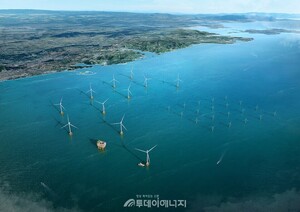
South Korea’s discussion around offshore wind “clusters” signals a policy preference for concentrating manufacturing, port logistics, O&M services, and grid connections in designated regions rather than treating projects as stand-alone generation assets. For international developers, this framing matters: cluster-based approaches typically come with stronger expectations on local value creation—factory footprints, Korean-tier supplier participation, workforce development, and long-term service presence—especially when regional governments tie projects to employment and tax-base expansion. For investors, the upside is that clusters can de-risk execution by aligning permitting pathways, port upgrades, and supply-chain capacity around predictable pipelines. If translated into formal programs, clusters may accelerate bankability through clearer sequencing of site allocation, grid access, and shared infrastructure (marshalling ports, installation capacity, cable corridors). The trade-off is a higher compliance and partnership burden: developers may face more explicit domestic content or industrial participation requirements, and financing structures could need to incorporate longer lead times for local manufacturing ramp-up and contracting with Korean yards, OEMs, and service providers. Strategically, overseas companies should treat “regional development” language as an early indicator of how Korea may shape the next phase of offshore wind procurement and approvals. Winning projects will likely depend not only on LCOE, but also on credible industrial plans—local assembly, port commitments, training programs, and robust Korean EPC/O&M alliances. Supply-chain players (turbine components, foundations, cables, vessels, and substations) should watch for which regions emerge as preferred cluster hubs, since early positioning near designated ports can translate into preferred-vendor status once volume procurement begins.